
Last updated November 14, 2026
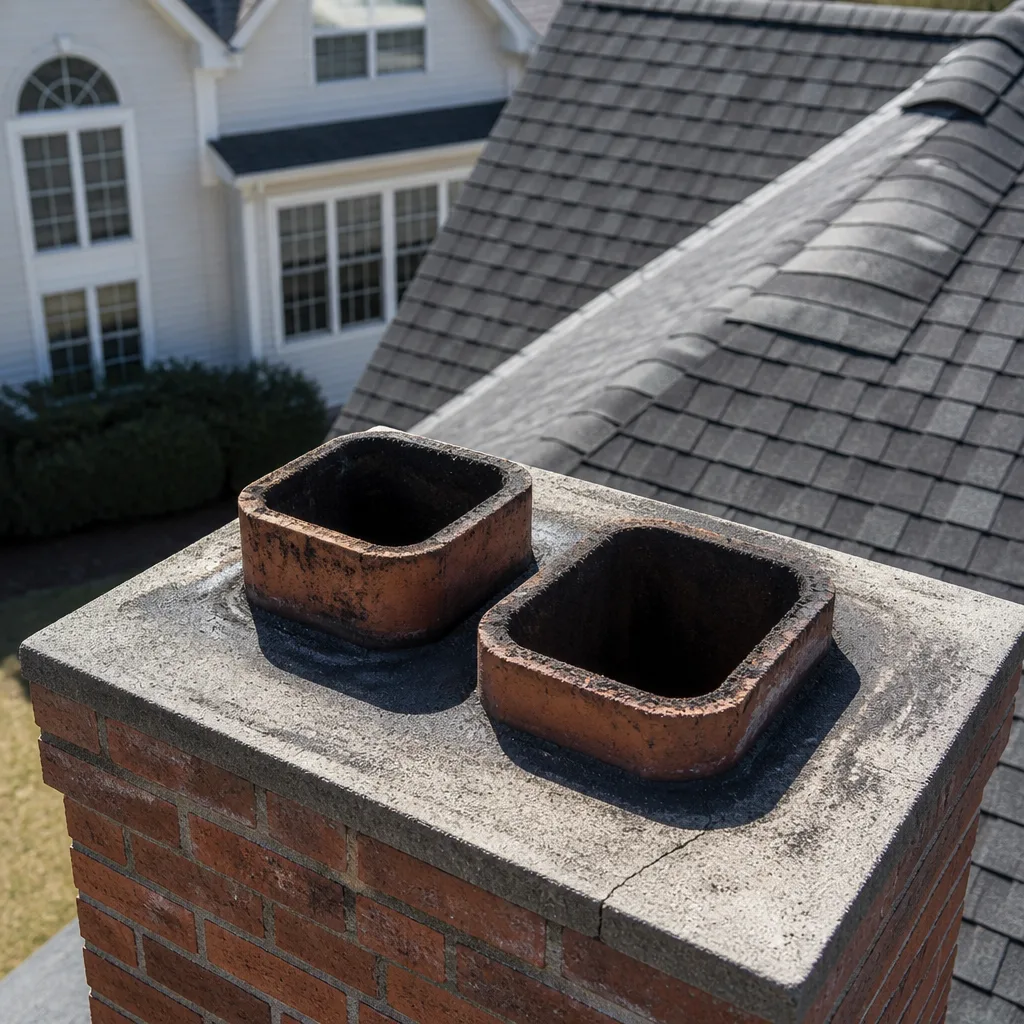 Sweep & inspection
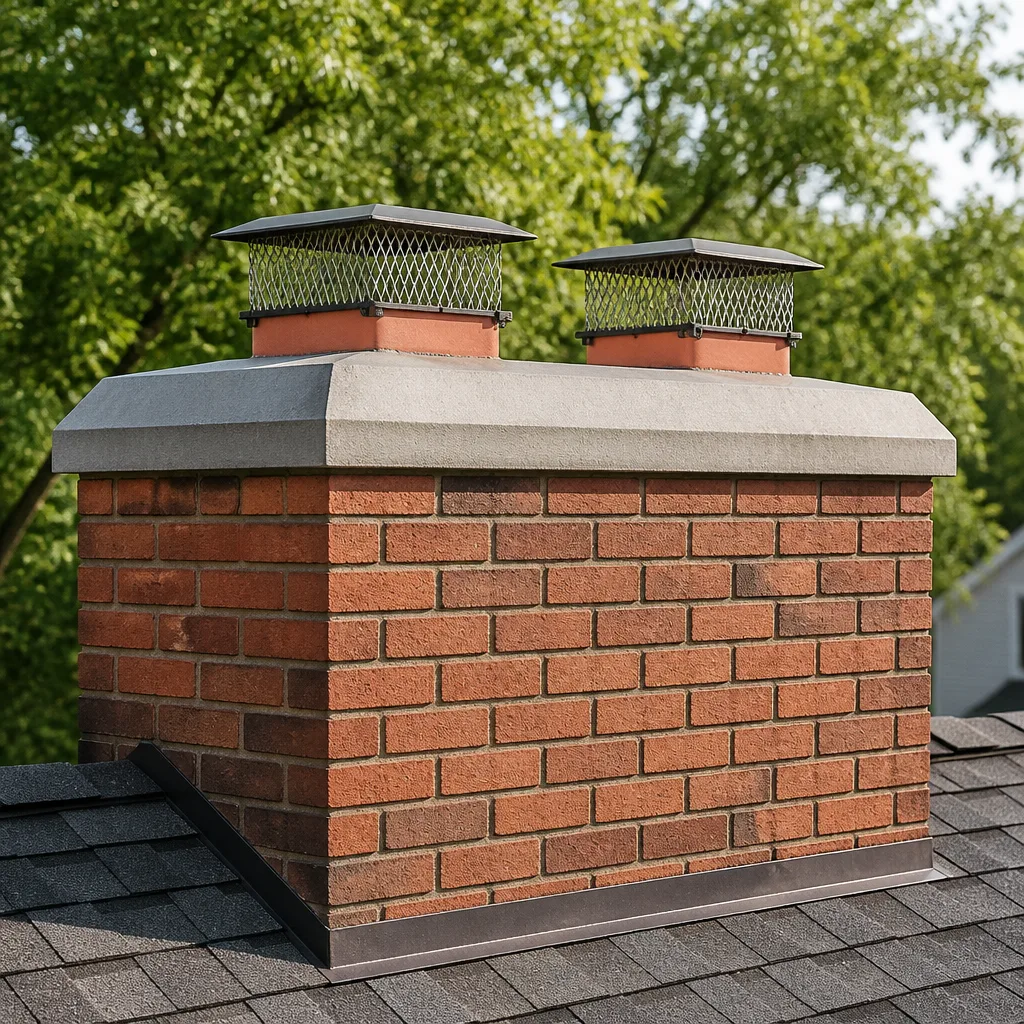 Caps & crowns
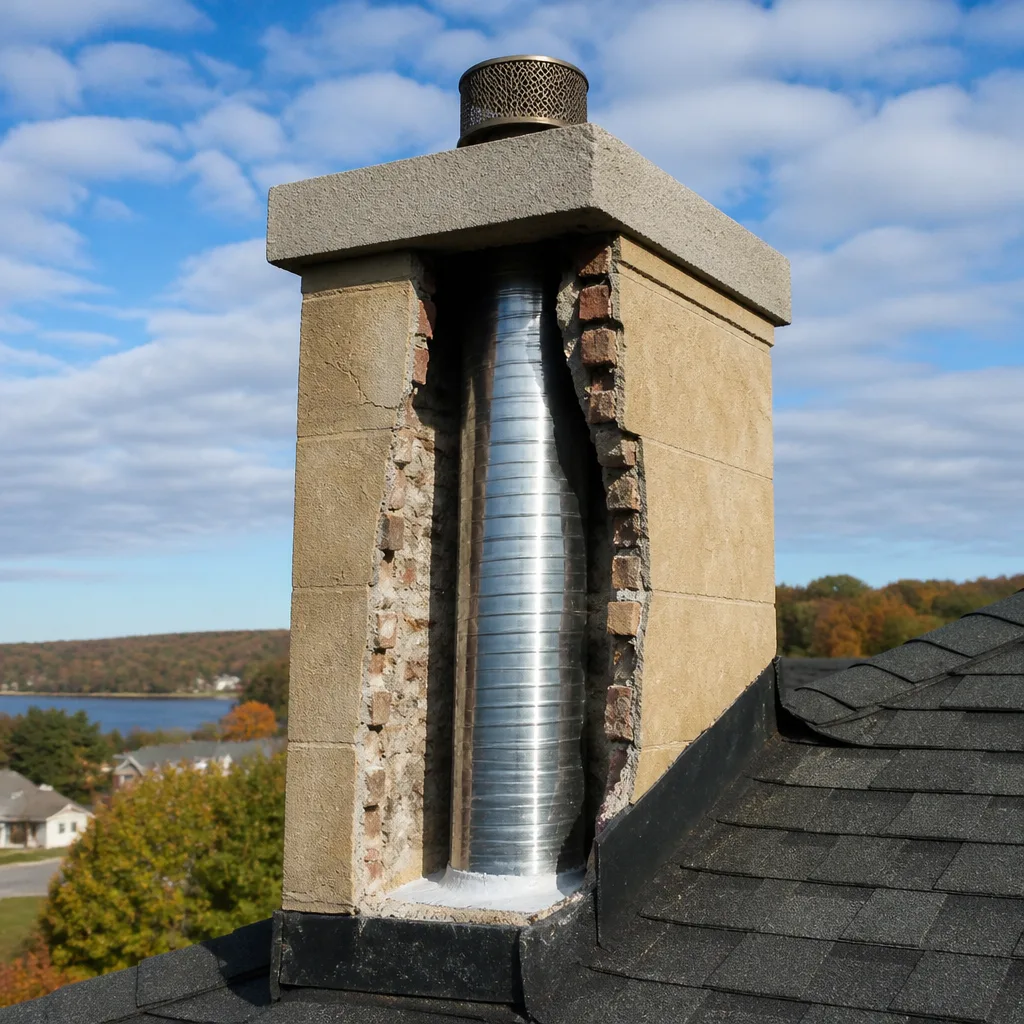 Flue relining
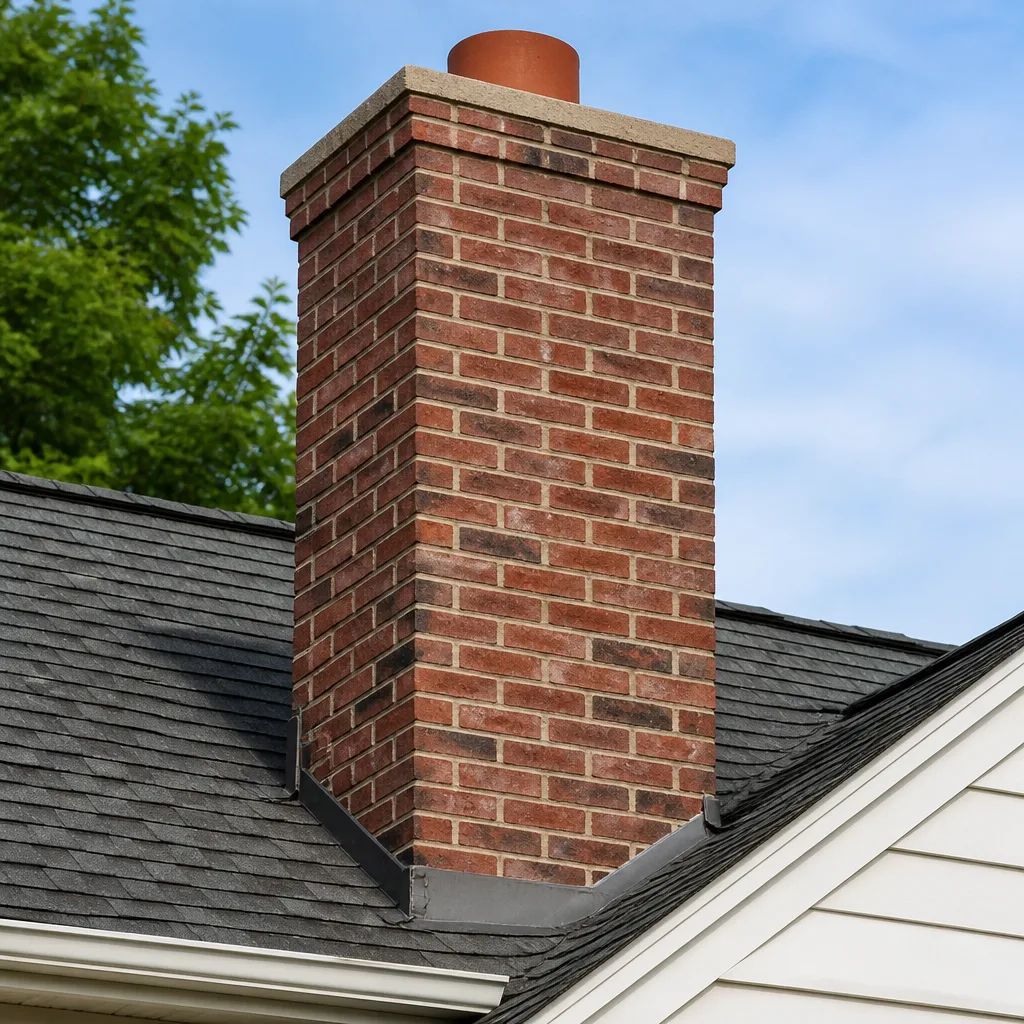 Masonry repair
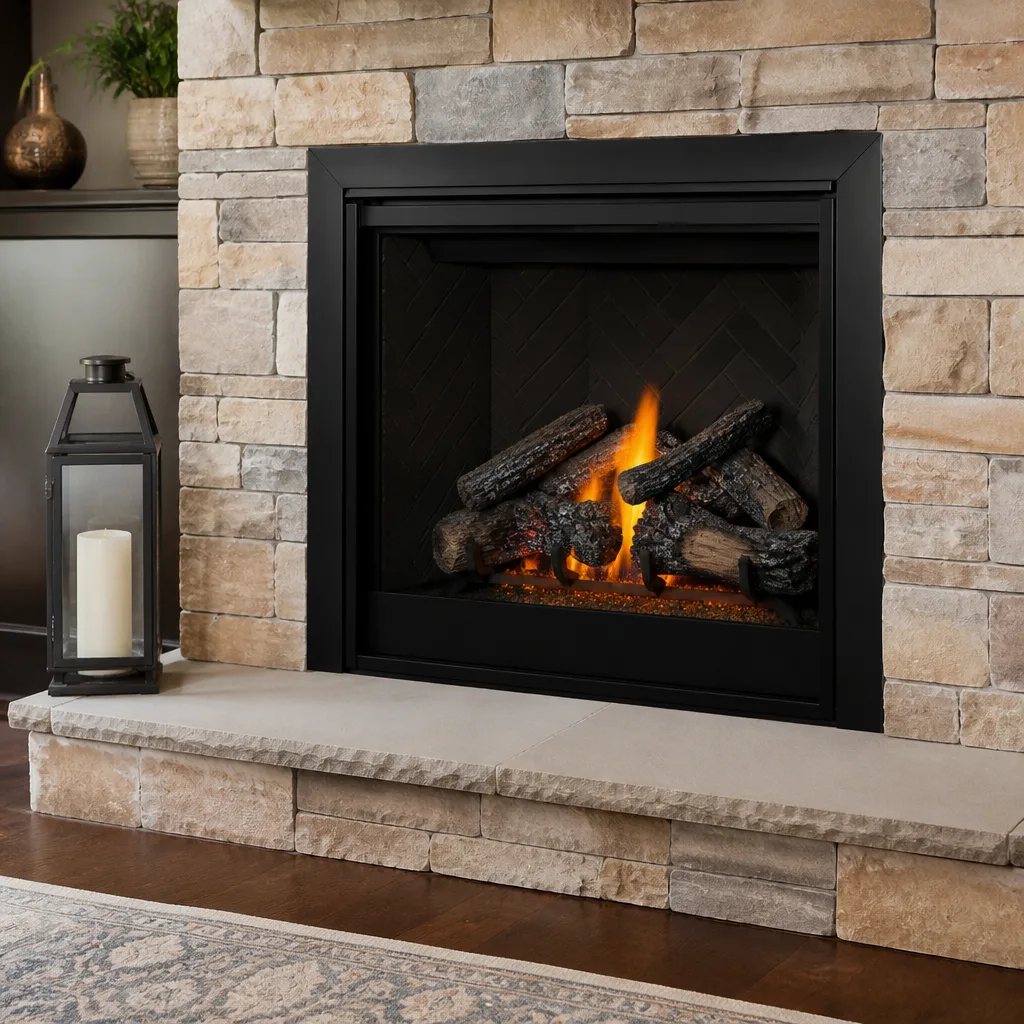 Gas fireplace service
Level 1 sweep and inspection to the NFPA 211 annual standard - flue, crown, cap, and flashing checked and photographed
Chimney sweep logs do not sweep chimneys. They loosen some creosote - which then falls where a brush and vacuum still have to collect it.
Chimney Cleaning Emergency Preparedness Guide for Carmel Homes
A chimney fire doesn’t always sound like a roar. Many burn slowly inside a liner for half an hour before a homeowner notices anything, and by the time smoke starts seeping through seams in the masonry, the clay tile liner may already be cracked and the fire has a path into framing. The good news: almost every chimney emergency in a Carmel home announces itself first, through a sound, a smell, a color, or a behavior the fire is showing you. This guide walks through what those warnings look like, what to do in the first ten minutes, what to document for insurance, and what has to be inspected before you light another fire in Carmel.
Quick Answer
If you suspect a chimney fire, call 911, close the fireplace doors and damper, and get everyone outside. Never pour water on a chimney fire. After the fire department clears the scene, the chimney must be inspected and cleaned before the fireplace or appliance is used again – a cracked liner can let carbon monoxide and heat into the structure even when the fire looks out. Most Carmel chimney emergencies trace back to creosote buildup, a damaged liner, or a blocked flue, all of which are visible to a technician before they become an emergency.
Styles & brands we work with
- Sweep & inspection
- Caps & crowns
- Flue relining
- Masonry repair
- Gas fireplace service
Table of Contents
- How to identify an active chimney fire
- The correct immediate response sequence
- Carbon monoxide indicators from chimney failure
- What to document immediately after a chimney emergency
- Post-emergency protocol before you use the fireplace again
- Prevention: the annual sweep that stops most emergencies
- Draft failures and downdrafts in Carmel homes
- Common mistakes to avoid
How to identify an active chimney fire (and how it differs from a normal hot fire)
A normal hot fire has a low, steady rumble from the draft pulling air up the flue. A chimney fire sounds different: a rapid crackling like popcorn popping, a low roar like a distant train, or a whooshing pull you can feel through the fireplace doors. The room may smell like hot metal or burning tar rather than wood smoke. These are the signs a homeowner should treat as confirmed.
Watch for these indicators, in rough order of how often our technicians find them reported after the fact:
- Sound: A roar, rumbling, or popping that is louder than the fire itself
- Smell: Hot metal, tar, or a sharp acrid odor distinctly different from woodsmoke
- Visual: Dense smoke puffing from the top of the chimney, sparks or flames visible at the cap, or glowing visible through cracks in the chimney
- Heat: The chimney breast or the wall behind the fireplace feels hot to the touch
- Draft collapse: Smoke backing into the room even with the damper open
The counterintuitive part, and the reason this guide exists: a slow chimney fire can burn for 20 to 30 minutes without a roar. What you’ll notice instead is heat radiating off the chimney breast, a strange smell, or smoke that won’t draw. By the time it becomes loud, the hottest part of the fire is already pushing against the liner. In a Carmel home with a clay tile liner, that’s the moment the liner begins to spall and crack. If you notice any of the above, assume it’s a chimney fire and act.
The correct immediate response sequence for a chimney fire in a Carmel home
Before the fire department arrives, here is the sequence that protects the structure and the people in it, in the order we’d follow it ourselves:
- Get everyone out and call 911. Even if the fire appears small. A chimney fire that’s still burning after one call from the fire department can spread into an attic.
- Close the glass doors and shut the damper. Starving the fire of oxygen slows it down and keeps sparks from reaching the room.
- If a wood stove or insert, close the air control fully. Do not try to extinguish with water unless directed by the fire department – water on a 2,000-degree fire can crack masonry and spread steam and soot back into the room.
- Move anything flammable away from the hearth and the chimney breast. Do not dowse the exterior of the chimney with a garden hose; thermal shock can crack the flue tile.
- Get a dry-chemical extinguisher or chimney fire sticks if you have them. If not, do not improvise.
- Do not re-enter for belongings. Once the fire department clears the scene, keep the fireplace out of use until a chimney professional has inspected it.
What most homeowners get wrong: trying to fight the fire with water, or reopening the damper to see whether the fire is out. Both can make a bad situation worse. The safest thing you can do in the first ten minutes is remove people from the house and let the fire department handle the fire itself. Then call us at (833) 436-4994 so the chimney gets inspected as soon as possible – a fire that’s out is not the same as a chimney that’s safe.
Carbon monoxide indicators: chimney failure vs. appliance failure
Carbon monoxide shows almost no warning of its own. A properly drafting chimney carries CO up and out of the house; a chimney that has lost draft, developed a blockage, or cracked in a fire will push it back into the living space. When a CO alarm sounds in a Carmel home during heating season, the question that matters next is whether the source is the chimney system or the appliance itself – because the fix is completely different, and spending money on the wrong one leaves the hazard in place.
Chimney-side CO indicators include:
- The CO alarm sounds only when the fireplace, insert, or furnace is running
- Smoke or a faint smell backs into the room when the appliance is first lit
- Draft is weak, or the smoke pulls up only on windy days
- Visible soot streaks or water staining on the chimney exterior
- The appliance has been recently changed or replaced without a liner check
Appliance-side CO indicators include:
- The CO alarm sounds with the appliance off
- Yellow, lazy flames instead of a crisp blue flame on a gas insert
- Soot building on the appliance itself rather than the firebox
- Water vapor or strange smells near a furnace or boiler
The distinction matters because a chimney that has lost draft needs liner work – a DuraFlex relining or a HeatShield resurfacing job – while a gas appliance burning yellow usually needs a combustion check by the appliance contractor. A chimney sweep diagnoses the flue side; a trained technician inspecting the chimney should be able to tell you which side of the equation you’re on.
What to document immediately after a chimney emergency for insurance purposes
Insurance claims on chimney fires are almost always easier to file when the evidence is gathered within 24 hours – before cleanup, before disposal, and before the chimney is repaired. Once those steps happen, the timeline becomes harder to reconstruct.
- Photograph everything before you clean. Interior of the firebox, exterior of the chimney, any visible smoke staining on the room walls, the cap, and any cracked tiles.
- Write a timeline. When the fire started, when it was noticed, when the fire department arrived, and roughly when the fire was extinguished.
- Note the appliance state. Whether the fireplace was in use at the time, damper open or closed, any insert brand, and the state of the gas valve.
- Save the fire department’s report. Ask for a copy on the spot; some departments mail it later, but you want it in hand for the adjuster.
- Keep receipts and estimates. Every inspection, sweep, and repair estimate from the point of the emergency forward.
- Do not clean or repair before documentation. Yes, the fire is out. The chimney will keep. The evidence will not.
The photo report a sweep produces after the emergency inspection is one of the strongest pieces of evidence in a claim. We document the flue interior, cap, and firebox with photos, so the adjuster sees what the technician saw rather than a verbal summary of it.
Post-emergency protocol: what must be inspected and cleared before you use the fireplace again
The fire being out does not mean the chimney is safe. Heat from a chimney fire can crack the clay tiles, warp a steel liner, pull the cap loose, and compromise the mortar joints in a way that only shows from inside the flue. Lighting another fire before those issues are addressed risks a second, hotter fire, or a CO event that has nothing to do with the original was visible.
A post-fire inspection should cover, at minimum:
- Video scope of the entire flue from the top of the chimney down to the smoke chamber
- Cap and crown condition for cracks, warping, or displacement
- Damper operation and smoke chamber integrity
- Liner integrity – clay tile cracks or open joints, steel liner distortion, or insulation breakdown
- Firebox and masonry joints for visible cracking or spalling
- Attic and roofline for signs of heat escape through the chase
What to ask the technician before you pay:
- Ask for the video scope footage and a written summary of findings.
- Ask which products would be used if repair is needed – DuraFlex for a full liner replacement, HeatShield for resurfacing a liner with minor cracks, Gelco caps for a damaged top. Real products, named, with a reason.
- Ask whether the fireplace can safely be used before the repair happens, or whether it needs to stay out of service.
- Ask for a written inspection report you can attach to the insurance claim.
That report is the difference between “the chimney looks fine” and a document that tells you what condition the flue is actually in.
Prevention: the annual sweep that stops most chimney emergencies
Almost every chimney emergency we see in Carmel traces back to something a sweep or inspection would have caught. Creosote buildup – the brown, crusty, or glazed residue left by wood smoke – is the fuel source for most chimney fires. The National Fire Protection Association recommends chimneys be inspected annually and swept as needed. In a Carmel home burning seasoned hardwood through a normal heating season, that usually means a sweep once a year, more often if you burn frequently or burn green or unseasoned wood.
Our chimney sweep includes a video camera inspection and a photo report, so you’re seeing the same thing the technician sees. If creosote has reached the glazed stage, a standard sweep won’t remove it – that’s a chemical sweep or a liner assessment. If it’s still in the crusty stage, we make sure it comes out completely before we consider the chimney safe for the season.
Two other prevention points that come up often in our work:
- Burn seasoned wood. Firewood with 20% or lower moisture content produces far less creosote than green wood. A $15 moisture meter from the hardware store is the most useful tool a fireplace owner can own.
- Don’t stack wood against the chimney. A chimney that’s had a slow fire in the past can radiate heat through cracks in masonry weeks after the fire, and a woodpile against the wall feeds the next one.
One common question that surprises homeowners: a gas fireplace insert still needs its flue inspected. Gas burns cleaner than wood but the flue can still foul, and the venting system on an insert has its own draft requirements. Our technicians check both on the same visit.
Draft failures and downdrafts in Carmel homes
Not every chimney emergency is a fire. A chimney that won’t draw – smoke rolling into the room the moment you light the first log, or a gas appliance that starts smelling faintly of exhaust – is a venting emergency of a different kind. Draft failures tend to show up in Carmel when the seasons change: a cold snap, a warm day that shuts down the stack effect, or a wind pattern the chimney wasn’t designed for.
The most common causes we find:
- A blocked flue from bird nests, leaves, or a disintegrated cap screen
- A cold flue that hasn’t been primed before lighting (a rolled newspaper held near the damper usually confirms this; if it doesn’t fix it, the problem is structural)
- A chimney height or cap geometry issue that puts the flue in the turbulent zone of the roofline
- A negative pressure problem from a tight home, often worse with a kitchen fan or bathroom exhaust running
A draft failure is not something to tolerate through the winter. A flue that can’t pull combustion gases up and out can push them back into the home – the same carbon monoxide problem the CO section describes, just from the wrong direction. A sweep and Cap replacement (a Gelco top, for example) is often all it takes to fix the problem at its source.
Dryer vents: the overlooked second chimney in your home
The same fire-safety logic that applies to your chimney applies to your dryer vent, and it gets far less attention. Lint is extremely flammable, and a vent line that’s clogged with it creates a fire risk every time the dryer runs. The most reliable early signal is behavioral: if a load takes two cycles to dry when it used to take one, the vent is likely restricted.
We offer dryer vent cleaning alongside our chimney services because the two belong to the same family of home venting safety. A dryer vent clogged with lint is one of the most common causes of house fires in the US, and like a chimney issue, the fix is straightforward when it’s caught early. On the same visit, we inspect the vent line for crushed or disconnected sections – the kind of thing that can only show from inside the wall cavity.
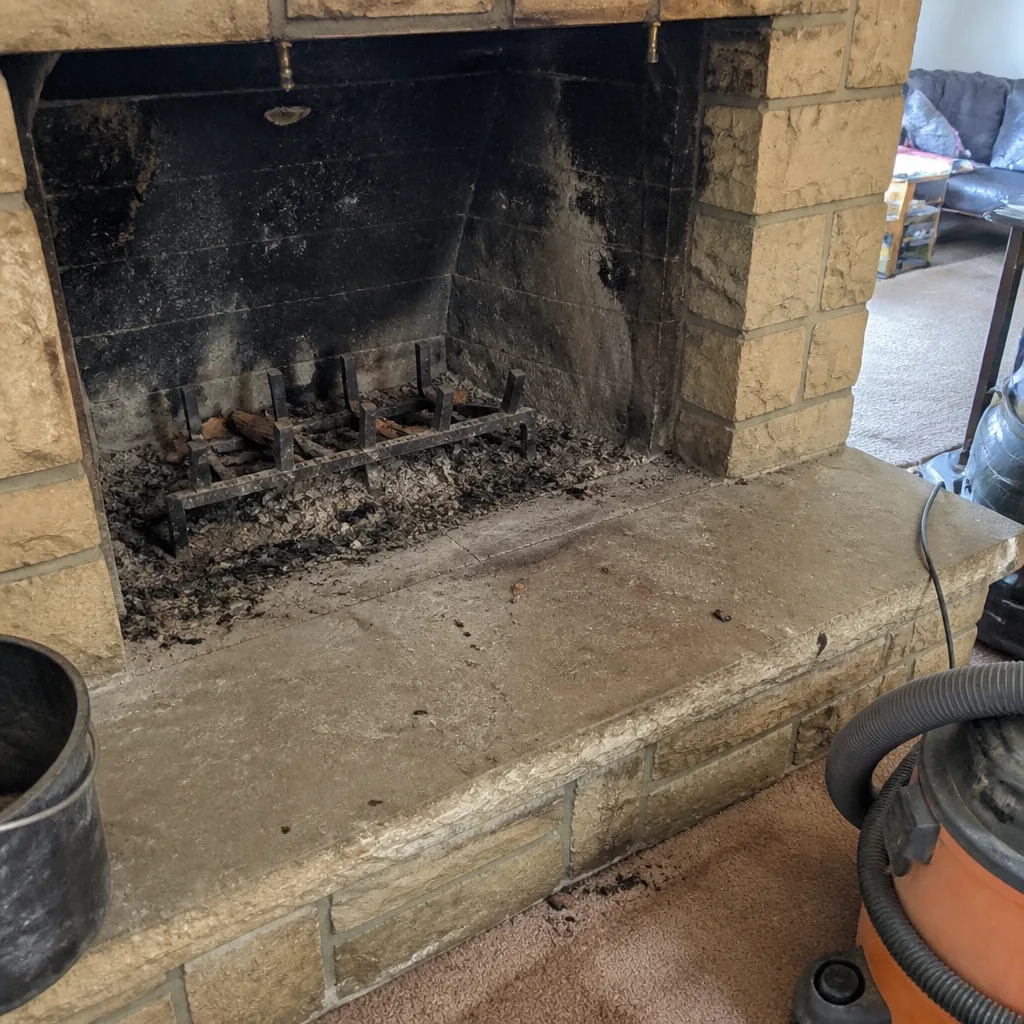
See the difference
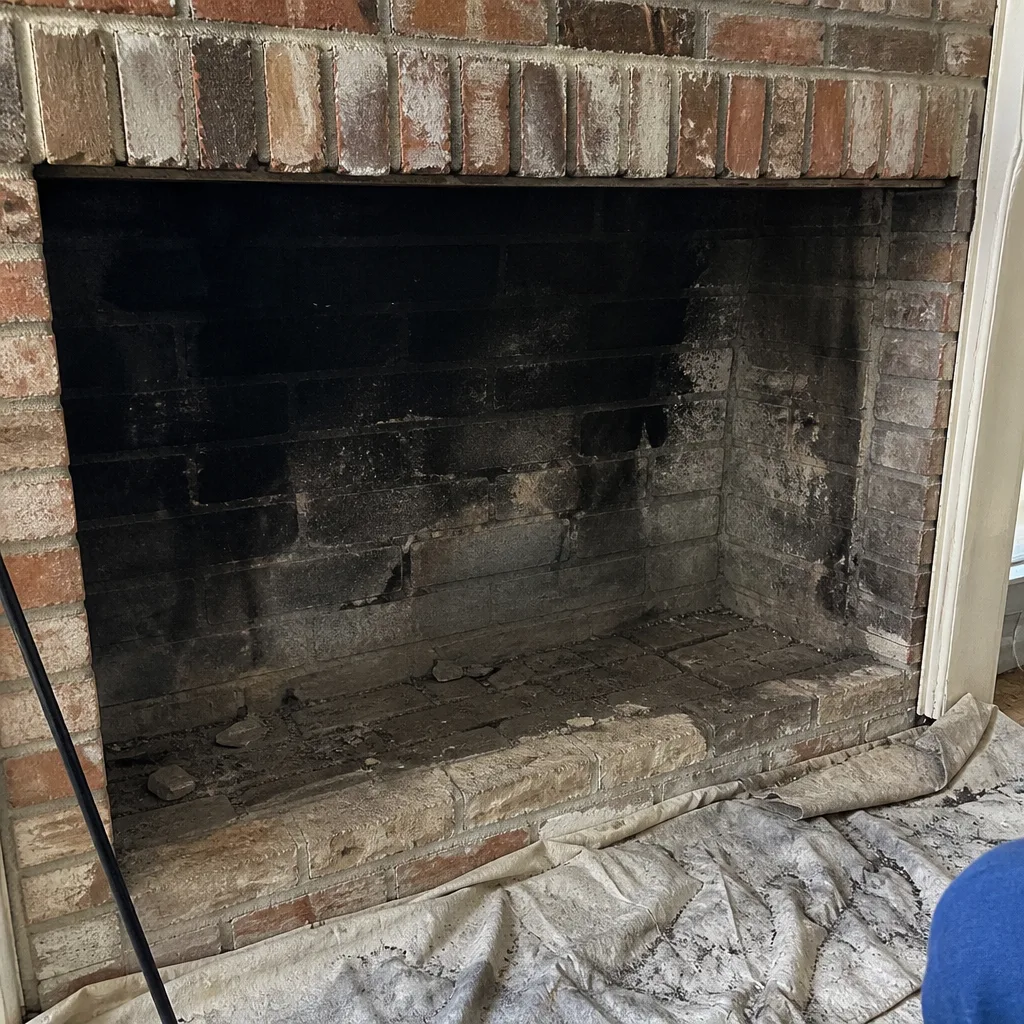 Before
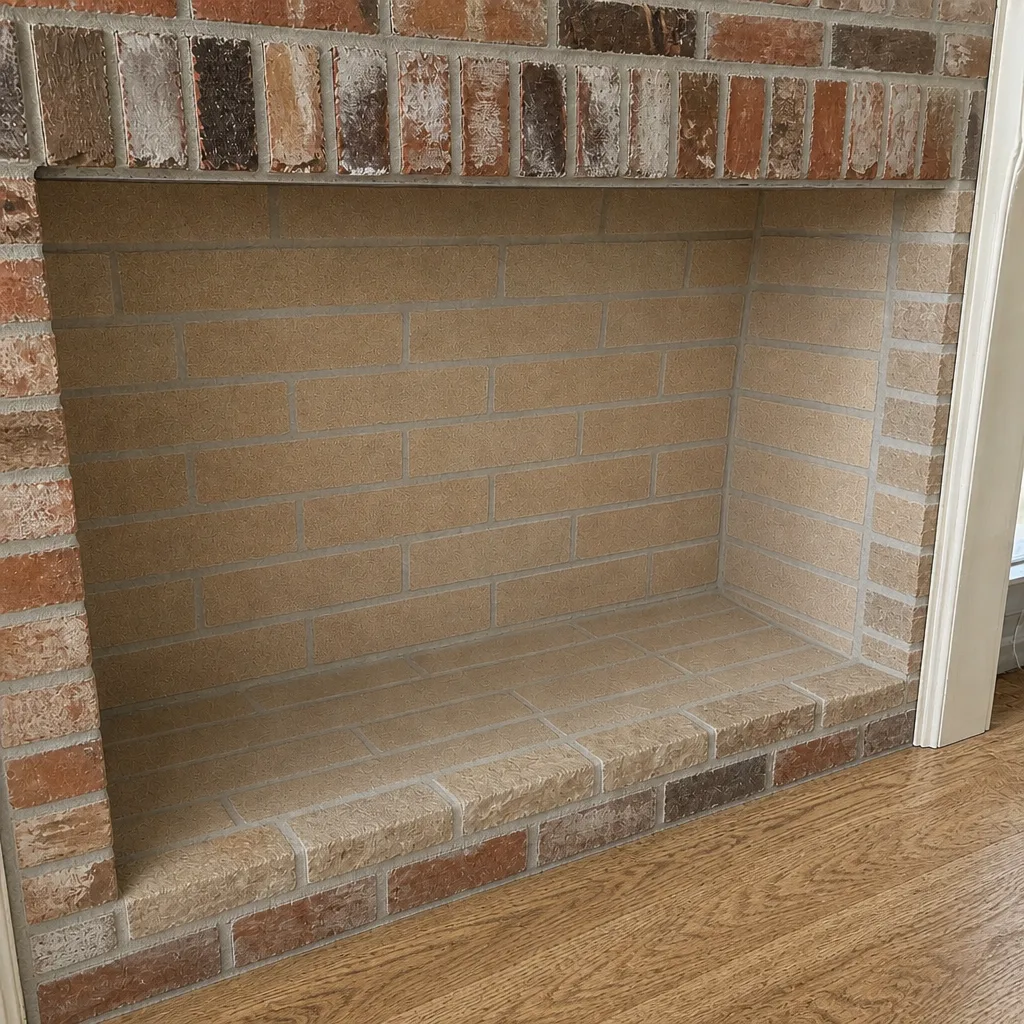 After
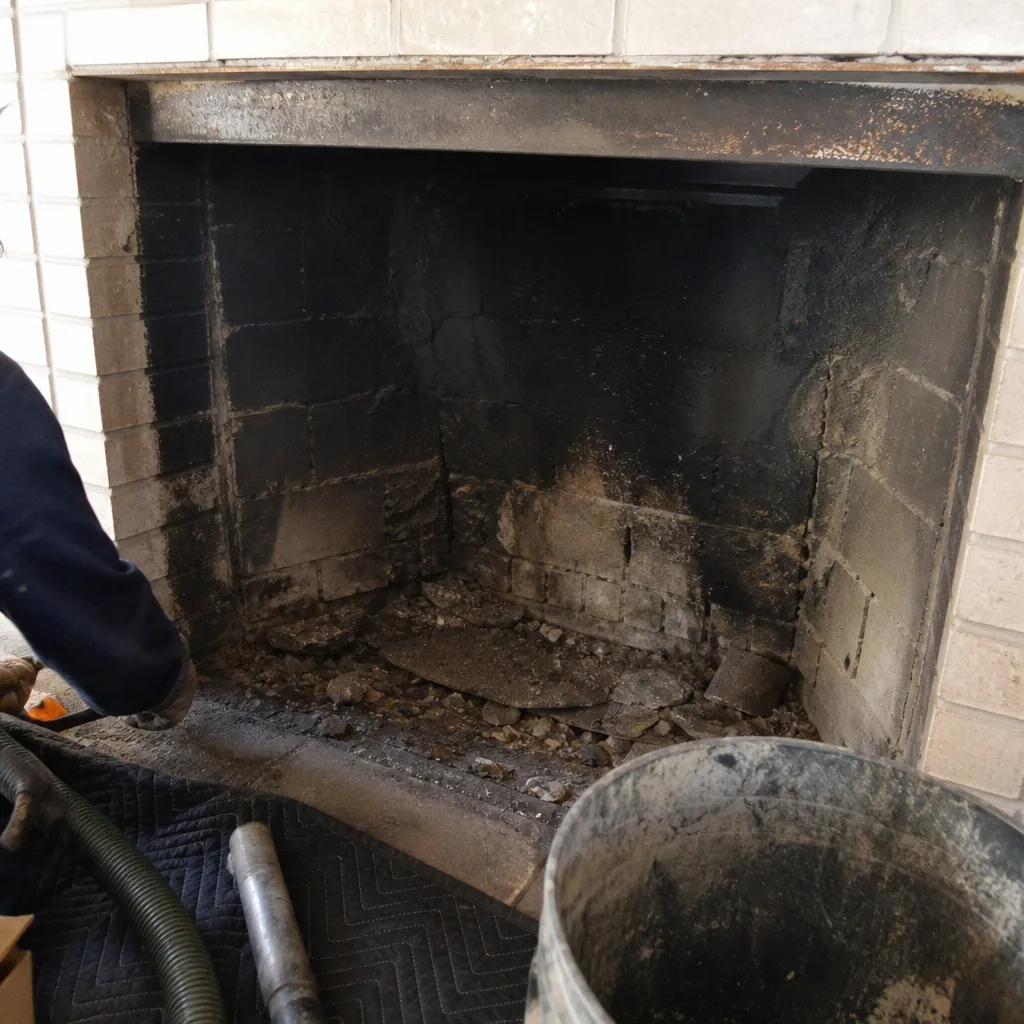 Before
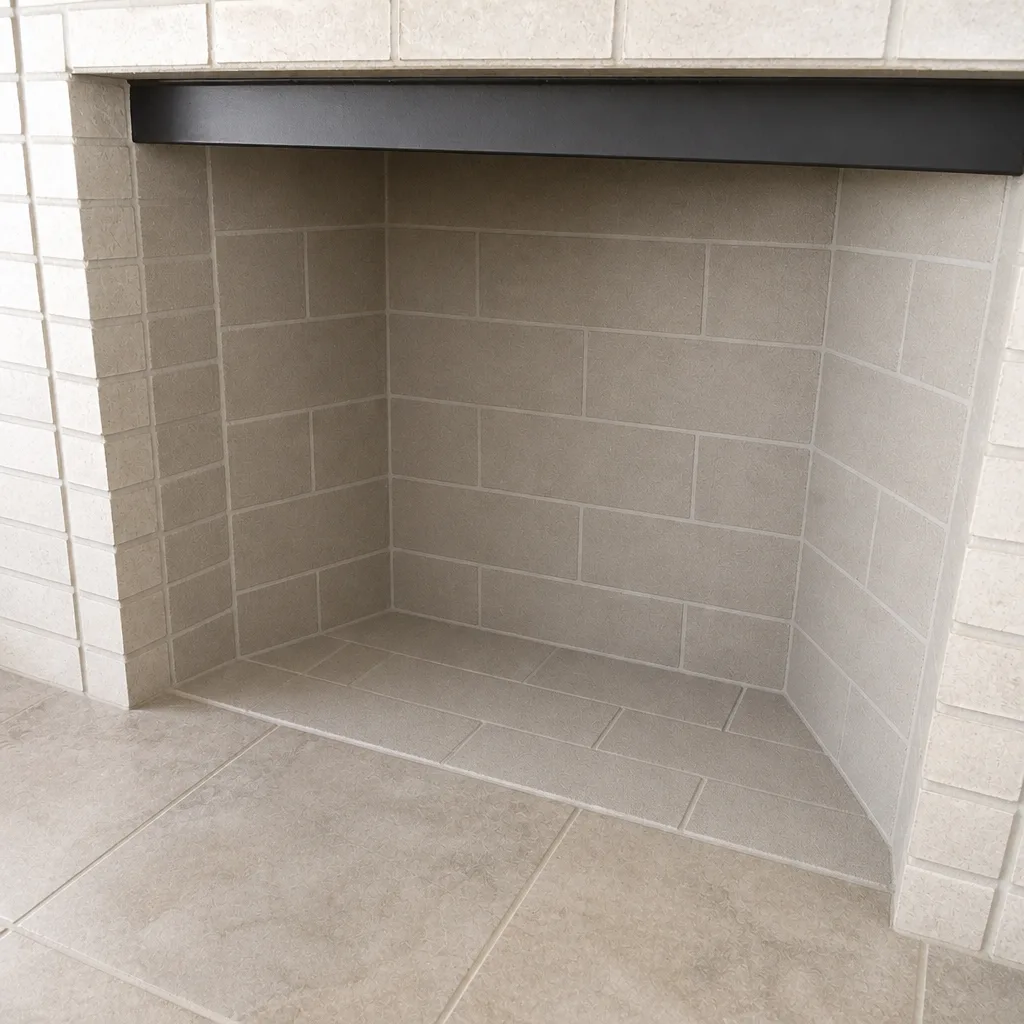 After
 Before
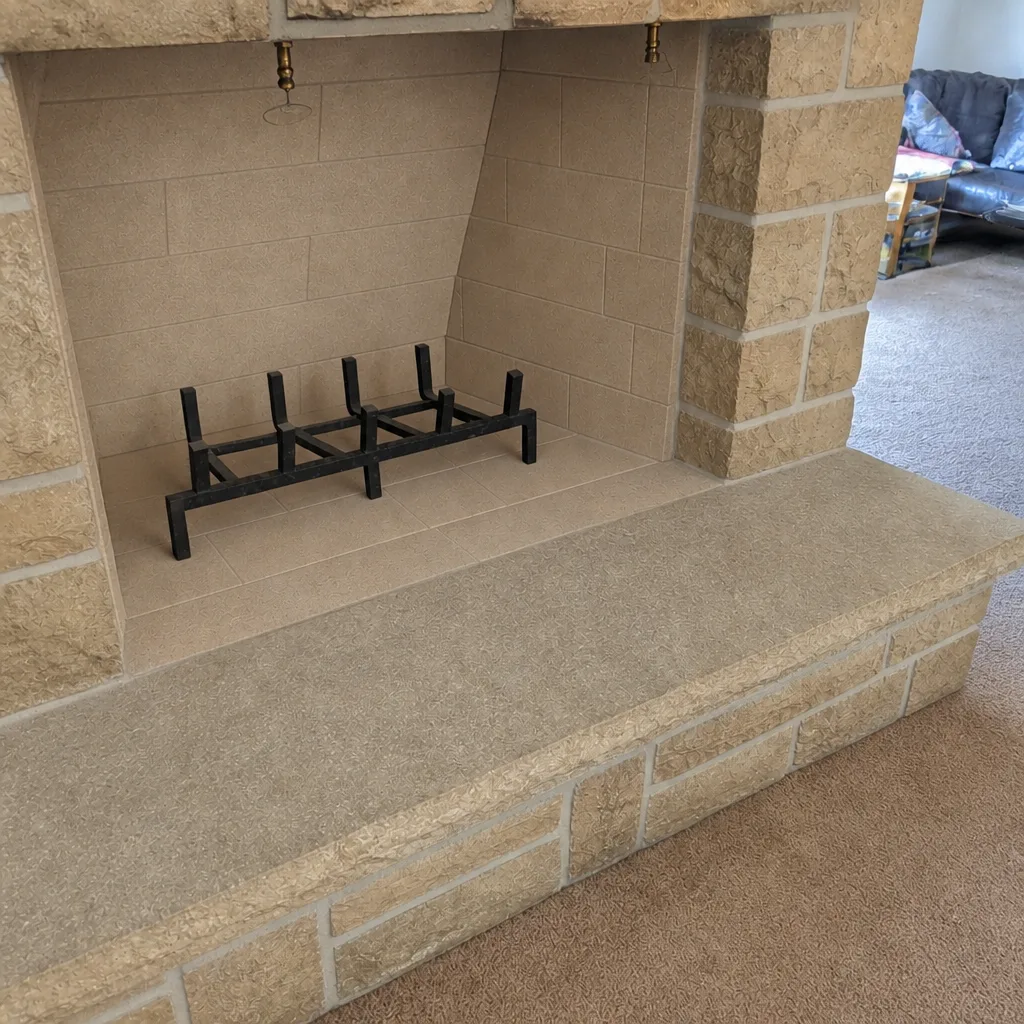 After
Common Mistakes to Avoid
- Assuming a quiet fire is a safe fire. The slow, creeping chimney fire is the one that does the most structural damage. If the chimney breast is hot and the smell is wrong, treat it as a fire.
- Pouring water on a chimney fire. Thermal shock will crack the flue tile. The fire department has the right tools for this; you don’t.
- Reopening the damper to “check” whether the fire is out. This is exactly how a fire that was starting to die gets a fresh supply of oxygen.
- Cleaning up before documenting. Save the soot and the photos. Insurance claims get harder from day two onward.
- Using the fireplace right after an emergency because “it looks fine.” A cracked tile liner is invisible from the room. The video scope is not optional.
- Skipping the annual sweep because you burn only occasionally. Creosote accumulates faster than most homeowners expect, especially with wood that isn’t fully seasoned.
- Treating the dryer vent as an appliance problem. If the dryer takes two cycles, the vent is the first place to look.
When to Call a Professional
Call us the same day if you smell hot metal or tar from the chimney, see smoke backing into the room with the damper open, hear crackling or a roar from the flue, or if your CO alarm has sounded while the fireplace or a gas appliance was running. Call us before the next heating season if the fireplace has sat unused for more than a year, if you’ve moved into a Carmel home and don’t have a record of the last sweep, or if the chimney has a damaged cap, cracked crown, or visible staining. We answer 24/7. Fast dispatch from 7am to 7pm, Sunday through Friday. Chimney Sweep Carmel offers free estimates in Carmel – call (833) 436-4994.
Frequently Asked Questions
You’ll hear a roar, rumbling, or popcorn-like crackling that’s louder than the fire itself, smell hot metal or tar, and possibly see sparks or dense smoke at the top of the chimney. The chimney breast will feel hot to the touch. If any of those are happening, treat it as a chimney fire: call 911, close the doors and damper, and get everyone outside. Not every chimney fire is loud, so trust your ears and your hands, not just the visual.
Once the fire department has cleared the scene, document everything before you clean or repair anything, then have the chimney inspected by a professional before you light another fire. A cracked tile liner or compromised smoke chamber won’t be visible from the room, and using the fireplace before inspection risks a second fire or a carbon monoxide event. Call (833) 436-4994 to schedule the inspection.
Less commonly than in a wood-burning fireplace, but yes – a gas insert still has a venting system, and a blocked or damaged flue can cause combustion gases to back up. The signs are different: yellow or lazy flames, soot on the appliance, or CO alarms that sound only when the appliance is running. An annual inspection covers both wood and gas systems.
NFPA recommends an annual inspection and a sweep as needed, which for most Carmel homes burning through a normal heating season means once a year. If you burn frequently, burn unseasoned wood, or have a larger firebox, you may need more frequent sweeps. A camera inspection tells you what condition the flue is actually in – a visual from the room doesn’t. Call (833) 436-4994 to book a sweep.
Only if the inspection finds the liner compromised – spalled or cracked clay tiles, a distorted steel liner, or open joints that let heat and gases reach the framing. Many post-fire inspections find the liner intact and only need a full sweep. If the liner is compromised, options include a HeatShield resurfacing for minor cracks or a DuraFlex relining for a full replacement. The camera footage and a written report tell you which is the right call, and a professional who works with both products can quote both accurately.
Most standard homeowner’s policies cover a chimney fire, but the claim goes more smoothly with documentation gathered quickly: photos before cleanup, a written timeline, the fire department’s report, and the post-emergency inspection report. We provide a photo report with every inspection so the adjuster can see what the technician saw. Whether a specific loss is covered is between you and your insurer; we provide the documentation you’ll need.
The Bottom Line
Chimney emergencies in Carmel homes are almost always preceded by something you could have seen, heard, or smelled. The first ten minutes matter far more than the cleanup afterward: get everyone out, call 911, close the doors, and let the fire department handle the fire. Then – and this is the part most homeowners skip – document everything before you clean anything, and get the flue properly inspected before you light another fire. Annual sweeps with a video camera, seasoned wood, and a dryer vent checked alongside the chimney prevent most of the emergencies this guide describes. If you’re not sure whether your chimney is safe right now, that’s exactly the call to make.
Call (833) 436-4994 for a free estimate. We answer 24/7. Fast dispatch from 7am to 7pm, Sunday through Friday. Serving homeowners across Carmel with chimney sweeping, chimney repair, and dryer vent cleaning – one crew, one visit, and a written report of what we found.
Written by the team at Chimney Sweep Carmel.