
Last updated November 14, 2026
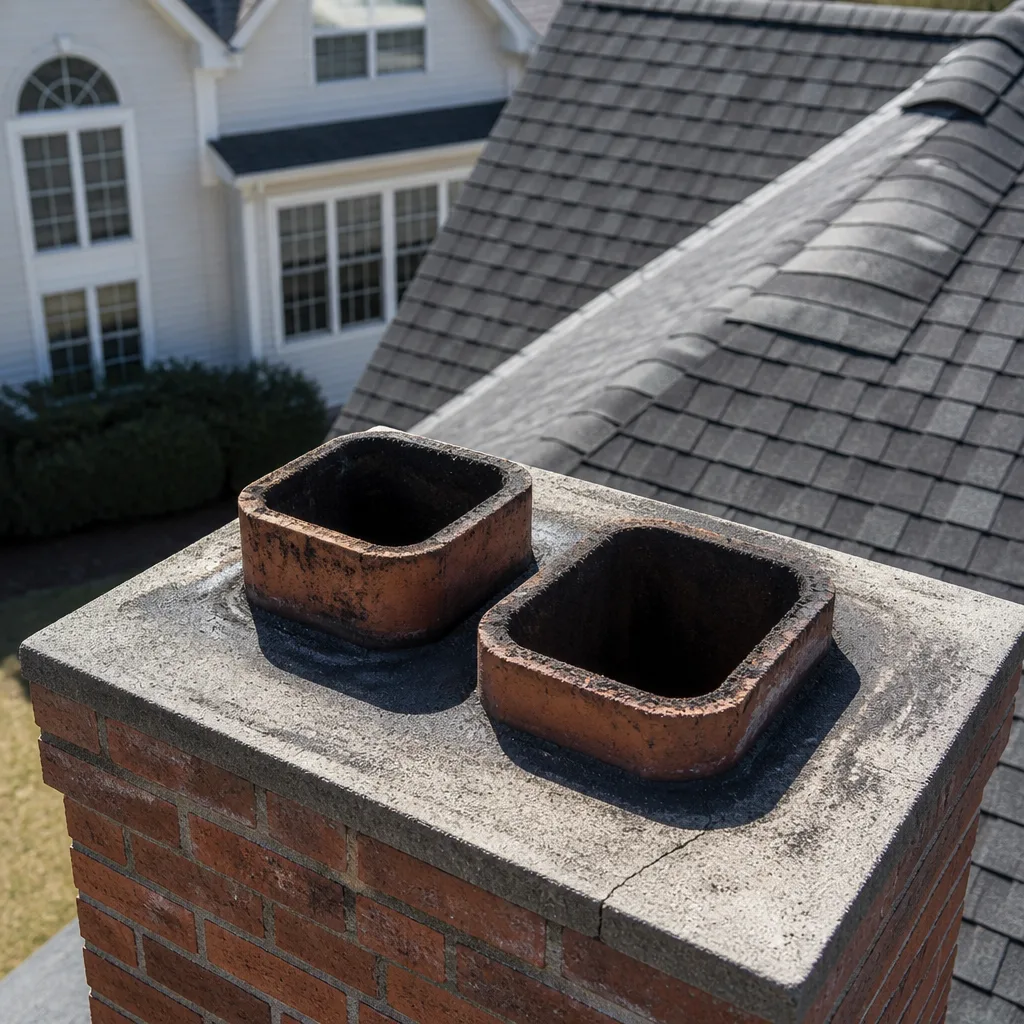 Sweep & inspection
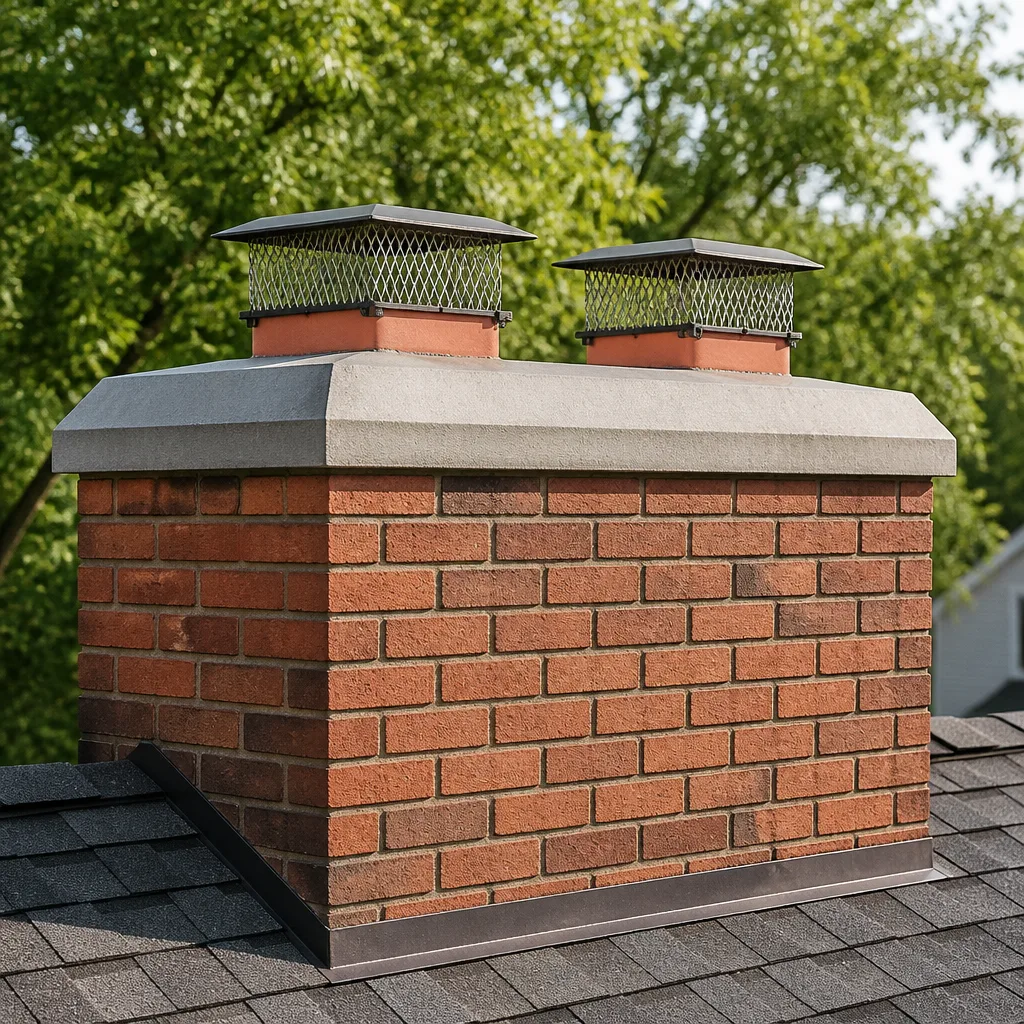 Caps & crowns
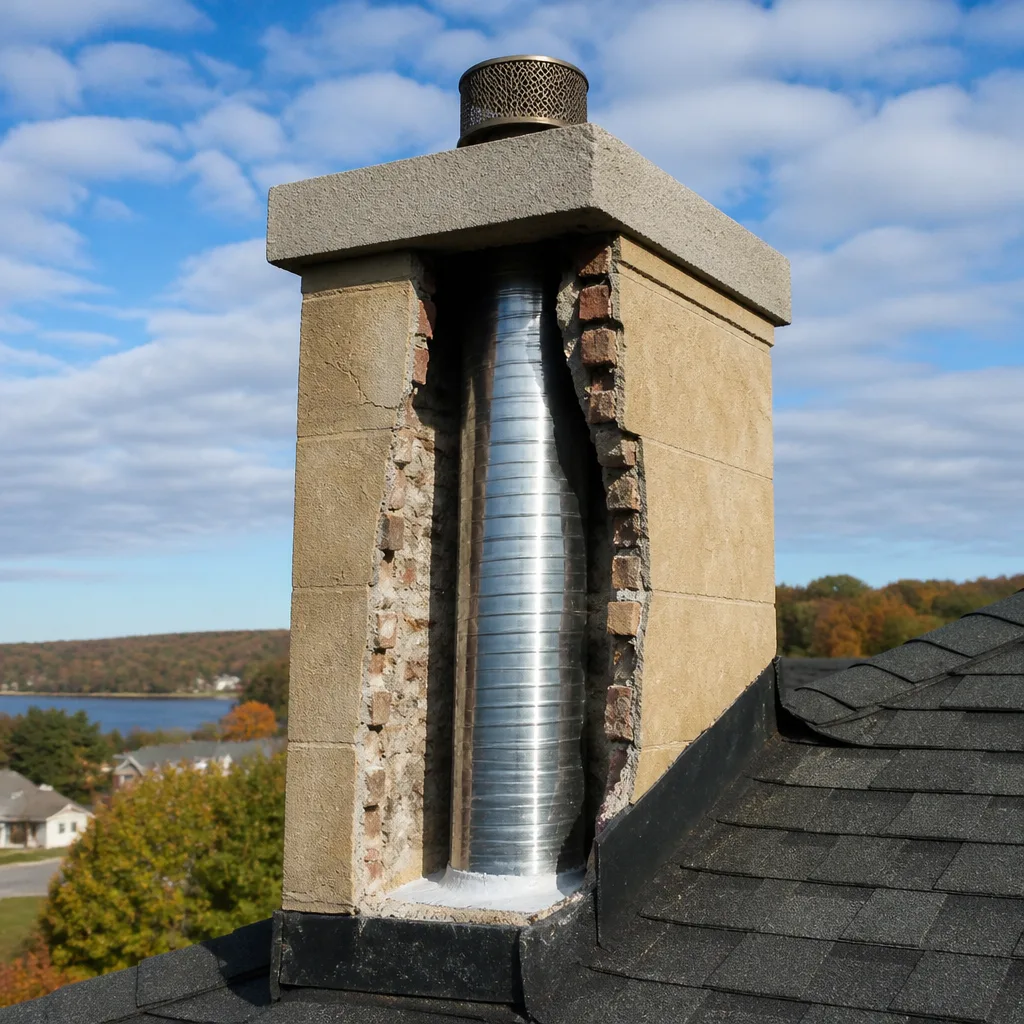 Flue relining
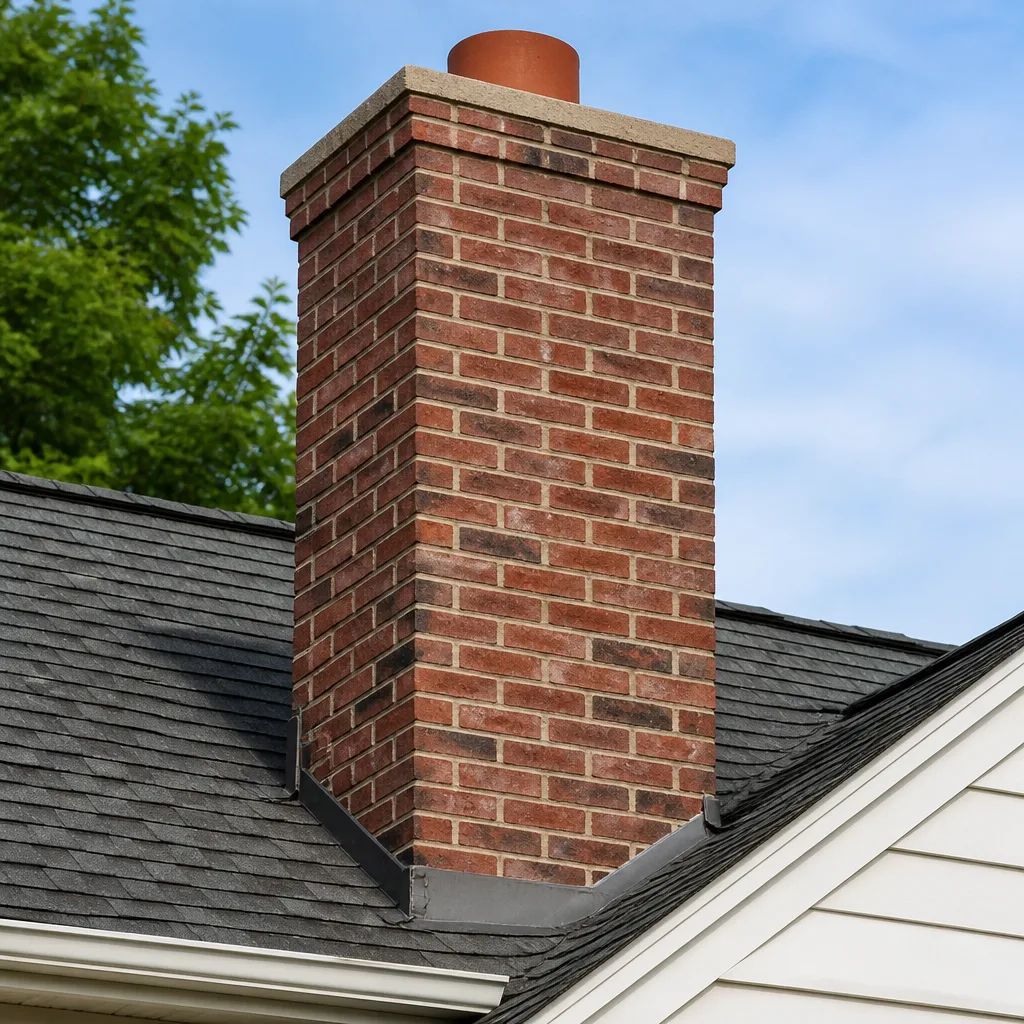 Masonry repair
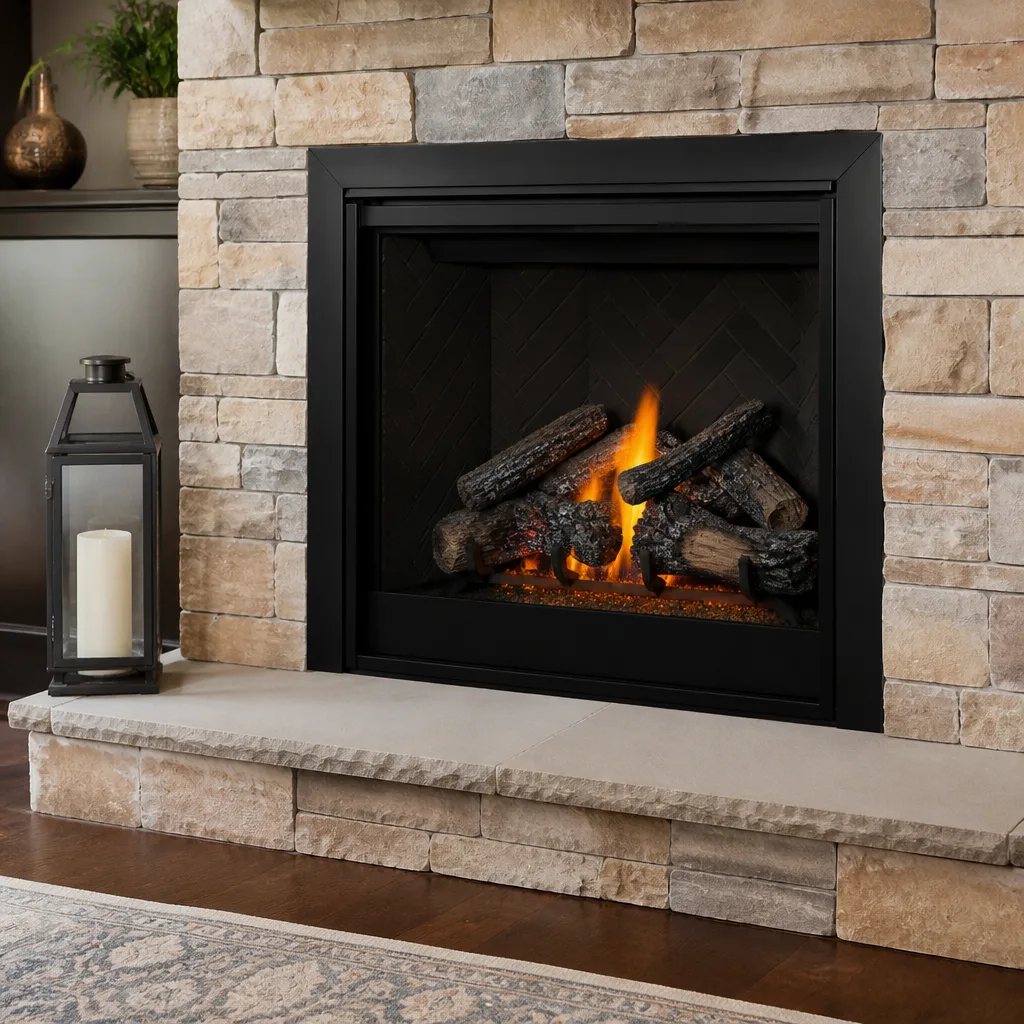 Gas fireplace service
Level 1 sweep and inspection to the NFPA 211 annual standard - flue, crown, cap, and flashing checked and photographed
Chimney sweep logs do not sweep chimneys. They loosen some creosote - which then falls where a brush and vacuum still have to collect it.
Chimney Cleaning Permits, Codes & Inspections in Carmel, IN: What You Need to Know
The part most homeowners get wrong isn’t the cleaning – it’s the paperwork. A standard chimney sweep is maintenance, and maintenance doesn’t need a permit in Carmel. But the moment a sweep turns into a liner install, a flue repair, or an appliance conversion, you’ve crossed a line into permitted work, and that line is invisible unless someone tells you where it is. The gap matters: unpermitted chimney work can surface years later during a home sale inspection or an insurance claim, long after the contractor has moved on. This guide covers what triggers a permit in Carmel and Hamilton County, how Indiana’s adoption of NFPA 211 and IRC Chapter 10 shapes the work, what a proper inspection report contains, and how to verify the person on your roof is pulling permits when they should.
Quick Answer
In Carmel and Hamilton County, routine chimney cleaning does not require a permit, but repair work, liner replacement, and appliance conversions generally do because they fall under mechanical and structural code. Indiana applies NFPA 211 and IRC Chapter 10 to chimney and venting work, which govern liner sizing, clearances, and appliance venting. A code-compliant inspection documents flue condition, clearances, and venting against those standards.
Styles & brands we work with
- Sweep & inspection
- Caps & crowns
- Flue relining
- Masonry repair
- Gas fireplace service
Table of Contents
- What Triggers a Permit in Carmel and Hamilton County?
- How NFPA 211 and IRC Chapter 10 Apply to Your Chimney
- What a Code-Compliant Inspection Report Includes
- When an Inspection Is Required vs. Optional
- How Unpermitted Work Affects Insurance Claims
- How to Verify a Contractor Pulls Permits
- Carmel’s Climate and What It Does to Chimneys
- The Step-by-Step Path to a Compliant Chimney
What Triggers a Permit in Carmel and Hamilton County?
The short answer: maintenance doesn’t, and modification does. A chimney sweep removes creosote, soot, and obstructions from an existing flue. The structure isn’t altered and nothing is replaced. That’s why most sweeps happen without a permit in Carmel and around Hamilton County. The work falls into the same category as cleaning a dryer vent – it maintains what’s already installed.
Once the work changes the system, the rules change. Common examples we see in Carmel homes:
- Liner installation or replacement. A new stainless liner, or a resurfaced liner using a product like HeatShield, changes the flue’s interior geometry and must meet the appliance’s specified sizing and clearances.
- Chimney cap or crown replacement. Structural work at the top of the chimney can fall under building code depending on scope. A simple cap swap is usually maintenance; a crown rebuild typically isn’t.
- Appliance conversion. Replacing a wood-burning insert with a gas insert, or switching fuel type, almost always touches venting code and typically requires a mechanical permit.
- Flue repair or relining after damage. Cracks in clay tile, gaps at mortar joints, or a deteriorated flue liner that requires structural correction is repair work, not cleaning.
- New chimney construction or significant masonry rebuild. This is squarely in permit territory.
Carmel and Hamilton County follow the state’s adoption of model codes, which means the specific permit language comes from the local building department rather than a single federal rule. Our practical rule of thumb: if the question is “is the flue dirty?” it’s maintenance; if the question is “does the flue meet code?” it’s likely permitted work. When we’re unsure on a Carmel job, we call the building department before scheduling. That call takes ten minutes and saves everyone a headache.
How NFPA 211 and IRC Chapter 10 Apply to Your Chimney
Indiana applies two standards to residential chimney and venting work: NFPA 211 (the Standard for Chimneys, Fireplaces, Vents, and Solid Fuel-Burning Appliances) and Chapter 10 of the International Residential Code. Both are technical documents, but their practical effect on a Carmel homeowner comes down to four things.
Liner sizing
A flue liner has to match the appliance. Oversized flues cool too quickly and draft poorly, which accelerates creosote buildup. Undersized flues restrict flow and can push smoke back into the room. When we reline a flue with a DuraFlex flexible liner, the sizing calculation runs against the appliance’s specified flue size, not a sales sheet. That’s the standard both NFPA 211 and IRC Chapter 10 expect.
Clearances
Chimneys need a specific distance from combustible materials – framing, sheathing, roofing. In older Carmel homes, especially those built before modern clearance rules became standard, we sometimes find framing in direct contact with the chimney. That’s a fire risk regardless of code, and it’s exactly the kind of finding a proper inspection surfaces.
Appliance venting
Gas appliances, wood stoves, and fireplaces all have venting requirements. A vent connector has to slope correctly, connect with the right fittings, and terminate at the proper height. Products like Famco venting components exist for this reason – they’re engineered to meet those standards, which is why we stock them.
Flue condition and integrity
A clay tile flue with cracked tiles or missing mortar joints fails the integrity requirement. So does a flue with no liner at all in a home with a wood-burning appliance. HeatShield liner resurfacing exists specifically to restore integrity to a flue that’s still structurally sound but isn’t code-compliant as-is. It’s a repair, not a replacement, and it’s the kind of judgment call a trained technician makes based on what the camera shows.
None of this is theoretical. We see the same patterns in Carmel homes: older construction with clearances that predate current code, and newer construction where a previous owner swapped appliances without updating the venting.
What a Code-Compliant Inspection Report Includes
A proper chimney inspection is more than a technician looking up the flue with a flashlight. NFPA 211 defines three inspection levels, and knowing which one you’re getting matters when you’re dealing with a real estate transaction, an insurance claim, or a repair decision.
Level 1 inspection
The baseline – visual, accessible portions only, no tools that require opening anything up. This is what accompanies a routine sweep. It covers the firebox, damper, smoke chamber, flue, and chimney exterior as visible. A Level 1 inspection is appropriate when the appliance hasn’t changed and there’s no indication of a problem.
Level 2 inspection
Required when a property is changing hands, after a chimney fire or seismic event, after an appliance change, or when a Level 1 inspection reveals a concern. Level 2 includes a camera scan of the entire flue interior. This is the inspection that catches hidden tile cracks, gaps at mortar joints, and liner damage you can’t see from the top or bottom.
Level 3 inspection
Diagnostic. Something is wrong, and the inspection requires opening concealed areas – removing a section of wall, for example. Level 3 inspections are the exception, not the rule.
A report worth the paper it’s printed on includes the flue condition with photographic evidence from the camera scan, clearance observations, venting assessment against the appliance, and a plain-English explanation of what’s a safety item, what’s a maintenance item, and what can wait. When we sweep a chimney in Carmel, the camera scan and photo report come included so you can see what we saw – that’s the difference between a report and a sales pitch.
When an Inspection Is Required vs. Optional
An annual chimney inspection is recommended by NFPA 211, but “required” is a different question. It depends on the circumstance. Here’s how it breaks down for Carmel homeowners:
- Required by circumstance: A home sale, a change of appliance or fuel type, a chimney fire (even a small one), a chimney collapse or major damage, and any time a technician sees a condition that needs closer examination.
- Required by code: A Level 2 inspection accompanies most permitted chimney and venting work, because the permit process needs documentation of existing conditions before and after.
- Strongly recommended: Annual inspection alongside an annual sweep, especially if you burn wood regularly through the heating season. Creosote accumulates unevenly and a visually clean flue isn’t the same as a camera-verified clean flue.
- Optional: A Level 2 camera scan on a newer chimney with recent documentation and no changes to the system. If you bought the house within a few years and have a recent Level 2 report, you may not need another one yet – but if it’s unclear, it’s worth doing.
One local wrinkle: Carmel has a lot of homes with gas inserts added by a previous owner. If the insert was installed without documentation, a Level 2 inspection is the only way to know the venting was done correctly. We’d rather find that out during a routine sweep than after a carbon monoxide alarm.
How Unpermitted Work Affects Insurance Claims
This is the section homeowners wish they’d read before the work was done. If a chimney fire or a carbon monoxide event traces back to chimney work that required a permit and didn’t get one, an insurer can dispute the claim. That doesn’t mean every policy will be denied – terms vary by carrier and policy – but it does mean the claim gets harder, slower, and more expensive when a permit history is missing.
Here’s why: homeowner’s policies typically cover sudden and accidental damage, but they also expect the home to be maintained to code. Unpermitted work doesn’t automatically void coverage, but it can contribute to a coverage decision being contested, especially if the insurer can show the work was a known defect. A chimney fire that starts in an improperly lined flue is exactly that kind of scenario.
The paper trail matters as much as the work.
- The permit application documents what was installed and to what standard.
- The inspection sign-off confirms the installation met code.
- Your homeowner file then shows the work was done correctly, which supports a claim if something goes wrong later.
We’ve seen this play out at resale more than we’d like. A homeowner had a stainless liner installed without a permit, and it passed three cleanings before a home sale inspection flagged the unpermitted work and nearly killed the transaction – the buyer’s inspector wanted documentation that didn’t exist. The installation itself may have been fine. The missing paper trail was the problem. On a permitted liner install, that documentation would have been the first thing out of the file.
How to Verify a Contractor Pulls Permits
The pattern is worth knowing. Contractors skip permits for a few reasons: the permit costs money, the inspection introduces a code enforcement visit on their work, or the scope they’ve quoted is technically permitted work but they’re calling it maintenance. All three are warning signs about the quality and honesty of the job.
Here’s how to verify, in order:
- Ask directly what’s permitted. Before you book, ask the contractor to identify whether the work you’re being quoted requires a permit. A technician who knows the local code will answer without hesitation. If the answer is “no permit needed” for a liner replacement or appliance conversion, that’s your signal to ask why.
- Ask who pulls the permit. The contractor should say they pull it – not you. A homeowner-pulled permit for work you’re hiring out shifts the legal responsibility onto you.
- Check with the Hamilton County or Carmel building department. The permit history is public record. If a permit was pulled, the record exists and can be confirmed. If you were told a permit was coming and it never shows up, that’s a problem.
- Look at the inspection sign-off. A permitted job ends with a municipal inspection. Ask for the sign-off document. It’s the paper trail you’ll want at resale or in an insurance event.
One more practical signal: the brands a contractor stocks tell you something about the scope they’re equipped for. DuraFlex liner systems and Olympia Chimney products aren’t sourced for a cleaning-only operation. If a company says it can do a full reline, ask which liner system and confirm they understand the sizing requirements. Chimney Sweep Carmel works with DuraFlex, HeatShield, Gelco, Olympia Chimney, Famco, and Copperfield because each covers a different chimney condition – a single line of product can’t handle every job.
Carmel’s Climate and What It Does to Chimneys
Central Indiana’s freeze-thaw cycles are hard on masonry. A chimney built of brick and mortar expands and contracts with the temperature swings between our winter nights and our thaw days, and the water that works into small cracks does more damage with each freeze. Over several winters, hairline cracks in the flue lining grow, mortar joints around the crown open up, and the crown itself can crack – which lets in more water and compounds the problem.
Carmel’s housing stock splits roughly into two groups. Older homes near the downtown arts district and the city’s established neighborhoods tend to have clay tile flues that are decades old and often past their service life – which is exactly when a resurfacing method like HeatShield matters, because the flue can be restored rather than rebuilt. Newer construction in neighborhoods like Village of WestClay and the west Carmel subdivisions often has prefabricated fireplace systems with their own manufacturer-specific venting requirements, and those systems sometimes get modified when a homeowner adds an insert without consulting the manual.
The heating season is also long enough here that creosote accumulates meaningfully between sweeps. A sweep scheduled before the first cold weekend and everyone in the house burning wood regularly is a different sweep from one scheduled for a fireplace used occasionally. If you’re a wood-burner, the annual cadence matters more than the calendar date – get it done before you burn, not after.
The Step-by-Step Path to a Compliant Chimney
Here’s the process a Carmel homeowner can expect when chimney work involves any code component. It works the same whether the trigger is a home sale, a repair, or a pre-heating-season check.
- Book the sweep and inspection together. The sweep establishes the cleaning baseline, and the inspection documents condition. Combining them means the camera scan happens after the creosote is out, when a technician can actually see the flue surface. A chimney sweep and inspection on the same call also saves you a second appointment.
- Review the camera evidence. The photo report shows what the technician saw – flue condition, any crack or gap, the interior of the smoke chamber, and the firebox. This is the moment you should be told what’s a safety item, what’s maintenance, and what can wait.
- Identify the permitted scope. If the findings include liner replacement, appliance conversion, or a structural repair, ask for the specific permit category and who pulls it. Our technicians have up to 15 years of experience reading exactly these findings, and the same-trained-crew model means the scope conversation happens during the visit, not three calls later.
- Confirm the code standard for the work. Liner sizing, clearances, and venting requirements come from NFPA 211 and IRC Chapter 10. A contractor who can explain how the specific installation meets those requirements is doing it right. A contractor who hand-waves is not.
- Pull the permit and schedule the inspection. Permitted work ends with a municipal inspection. Document the sign-off and keep it with your home files – it’s the paper trail that supports a future claim or resale.
- Plan the next annual sweep. Maintenance doesn’t stop because the repair is done. Re-establish a sweep cadence before the next heating season, and note on your calendar when the last camera inspection happened.
None of this is complicated when it’s laid out. The complication comes when a homeowner doesn’t know which jobs cross the line – and a contractor doesn’t tell them. If you’re in Carmel and you want the work documented, Carmel is our home base for these conversations. Our technicians can repair what’s found rather than handing you a list of problems and a referral to someone else. If the inspection turns up a venting issue, we also handle dryer vent cleaning – the same fire-safety logic applies to both systems, and having one company handle both venting categories on the same visit makes sense.
Common Mistakes to Avoid
- Assuming a sweep permit covers the liner. They’re different things. The cleaning is maintenance; the liner install is permitted work. Line them up separately so nothing gets skipped.
- Letting the contractor tell you a permit isn’t needed for a liner replacement. That’s the classic warning sign. If a liner is going in, ask for the permit and the inspection sign-off.
- Skipping the Level 2 inspection before a home sale. The market is unforgiving on undocumented work. A camera scan before you list in Carmel is far cheaper than a surprise during the buyer’s inspection.
- Burning through a season with a known chimney fire. A small chimney fire can crack a clay flue in one event. A Level 2 inspection after a fire isn’t optional – it’s how you find out whether the flue still holds.
- Treating a gas insert swap as a plug-and-play change. Different fuel, different venting. If the insert went in without new venting documentation, that’s a code finding waiting to surface.
- Relying on a visual-only inspection for a home purchase. The tile crack that matters is on the inside of the flue, not the outside of the chimney. Camera scan or nothing.
- Ignoring the dryer vent. It’s a venting system too, and lint accumulation is a fire risk in the same category as creosote. Cleaning the chimney and leaving a clogged dryer vent is an incomplete safety check.
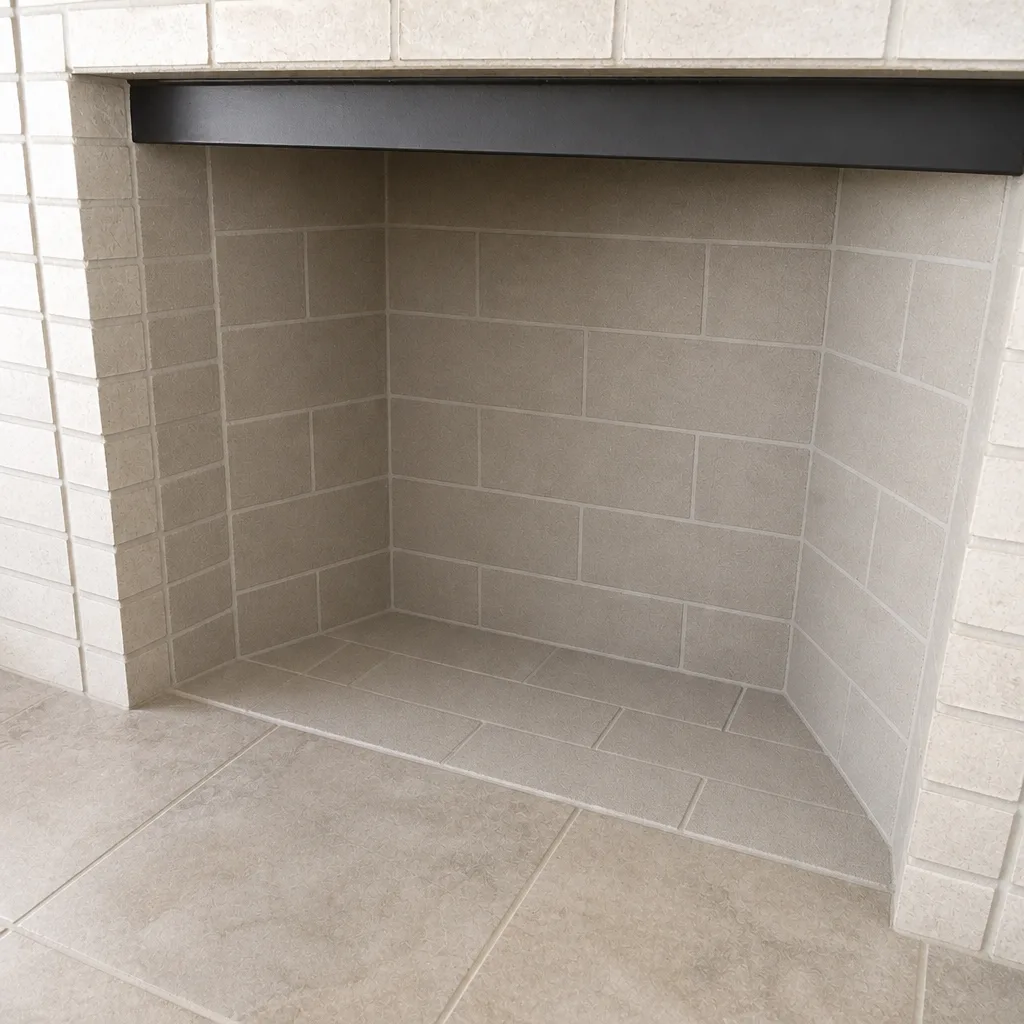
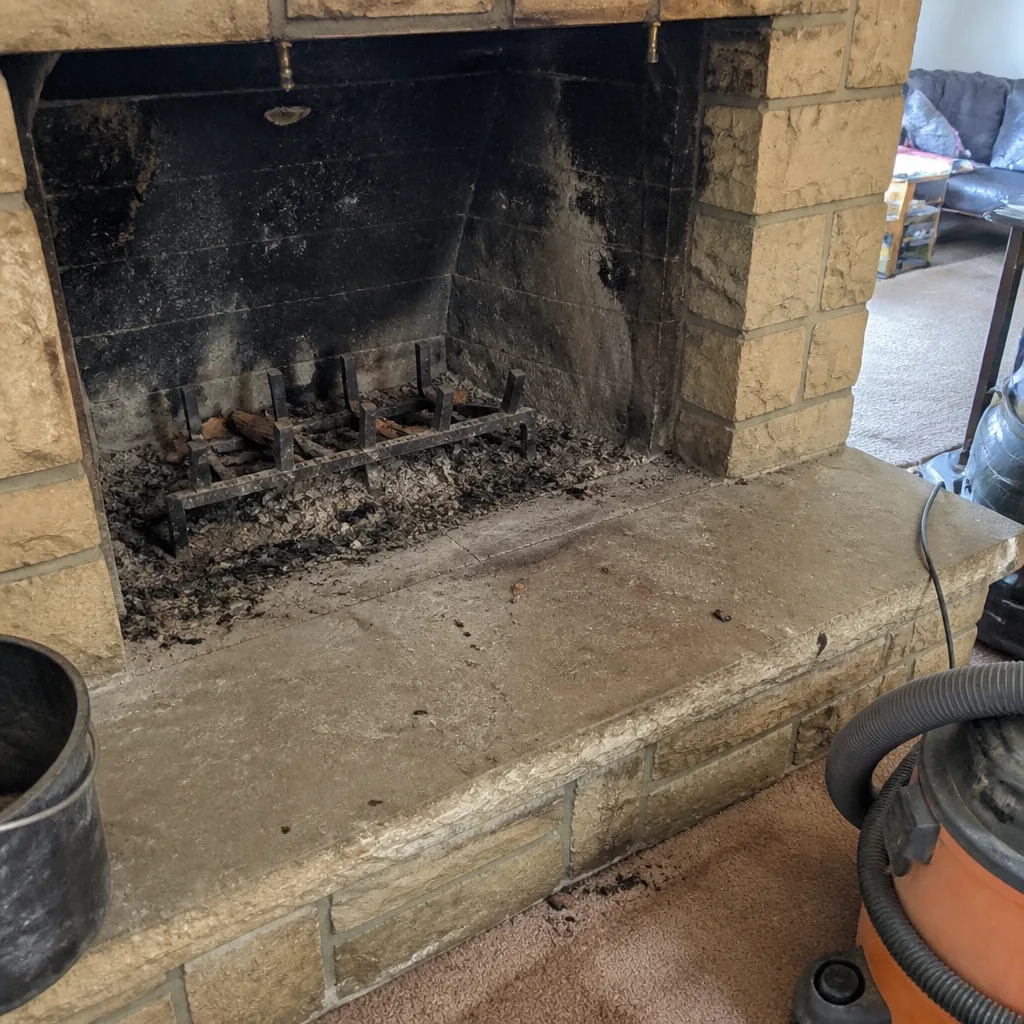
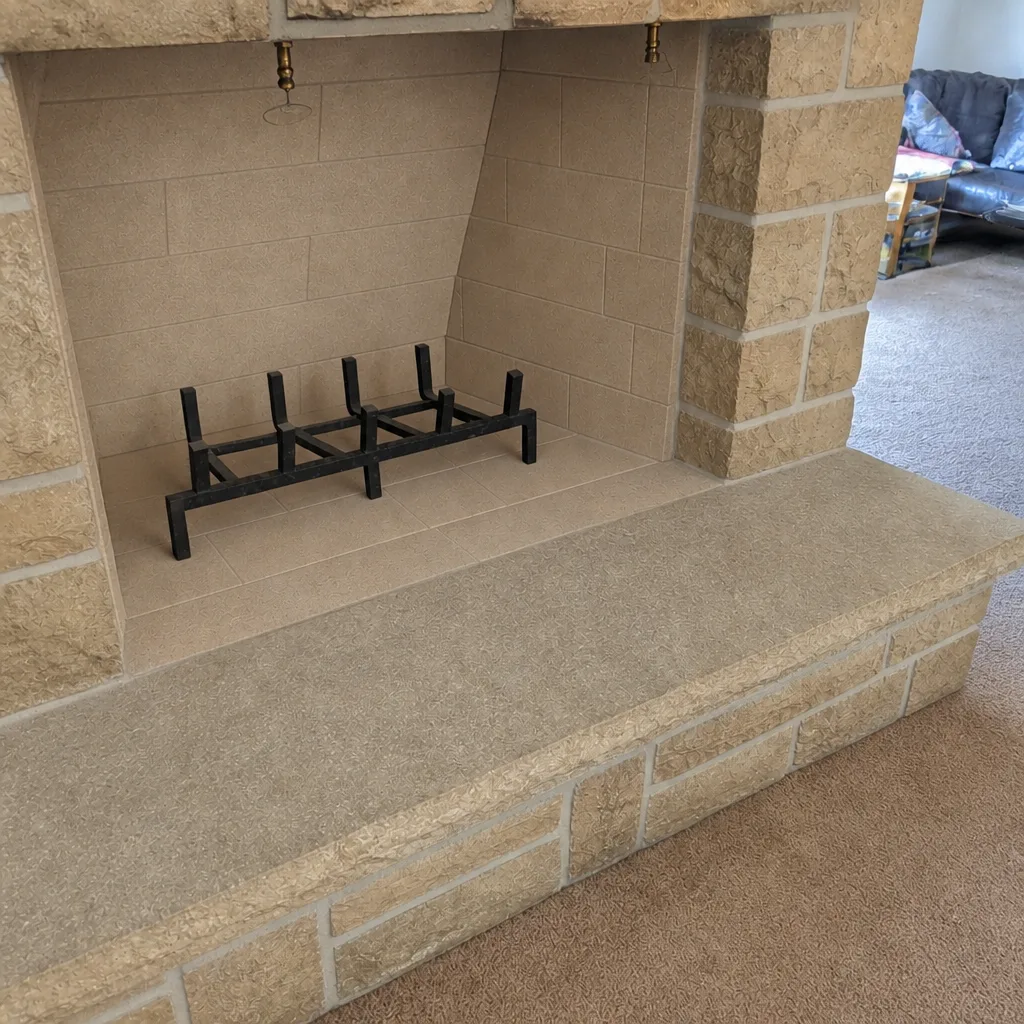
See the difference
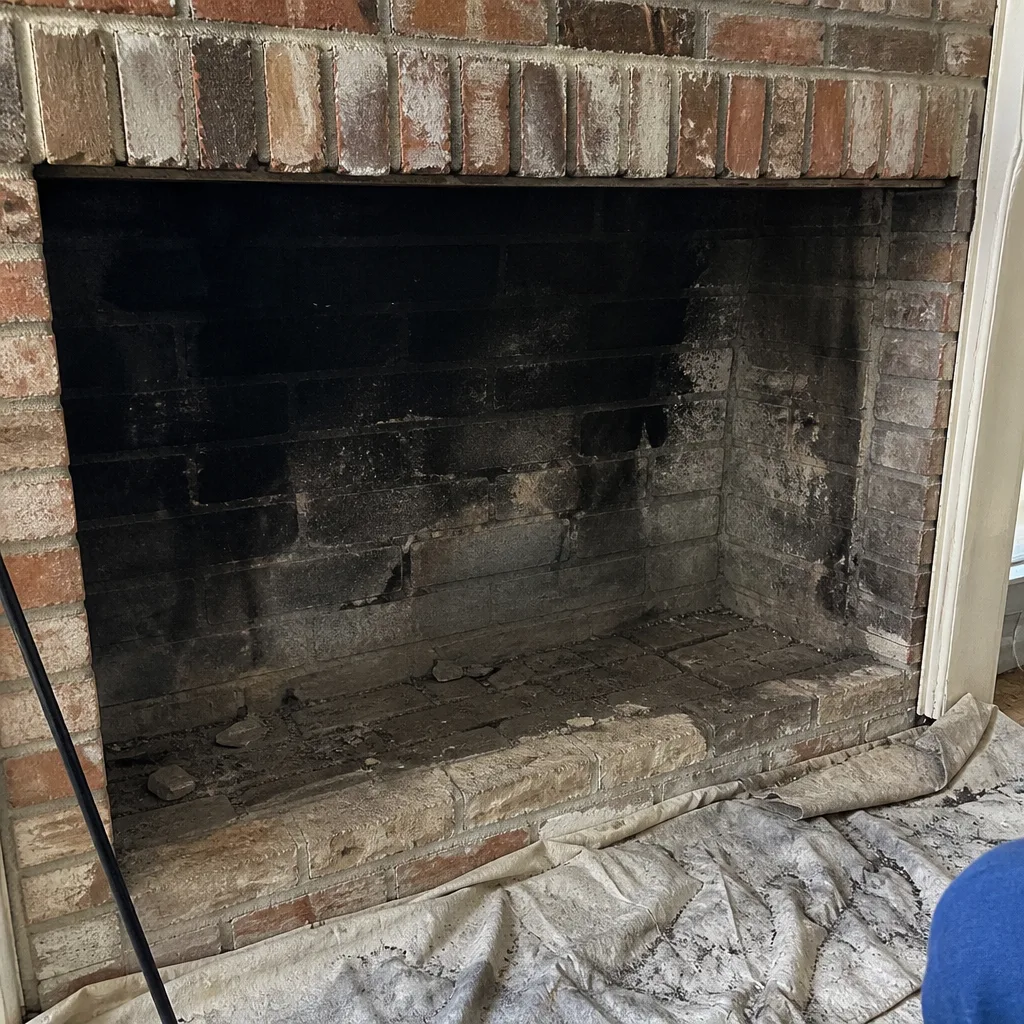 Before
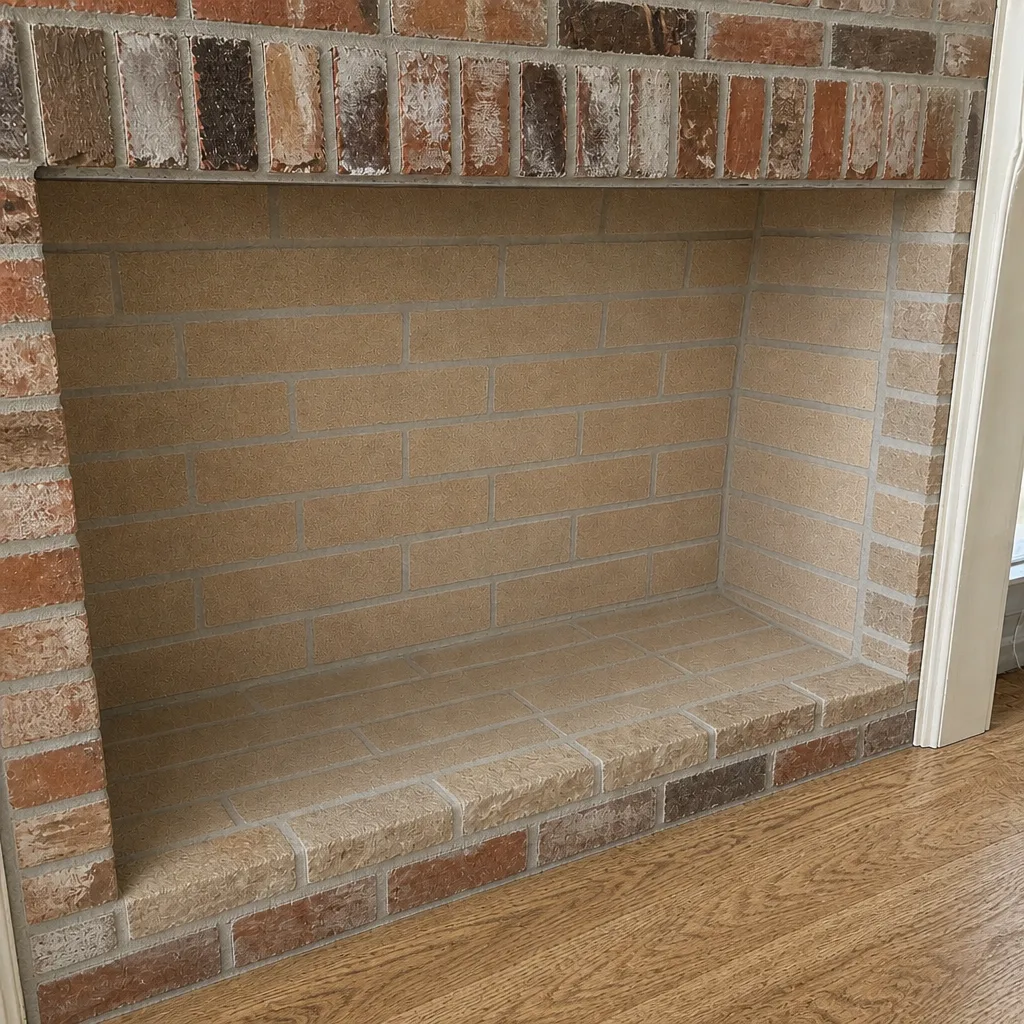 After
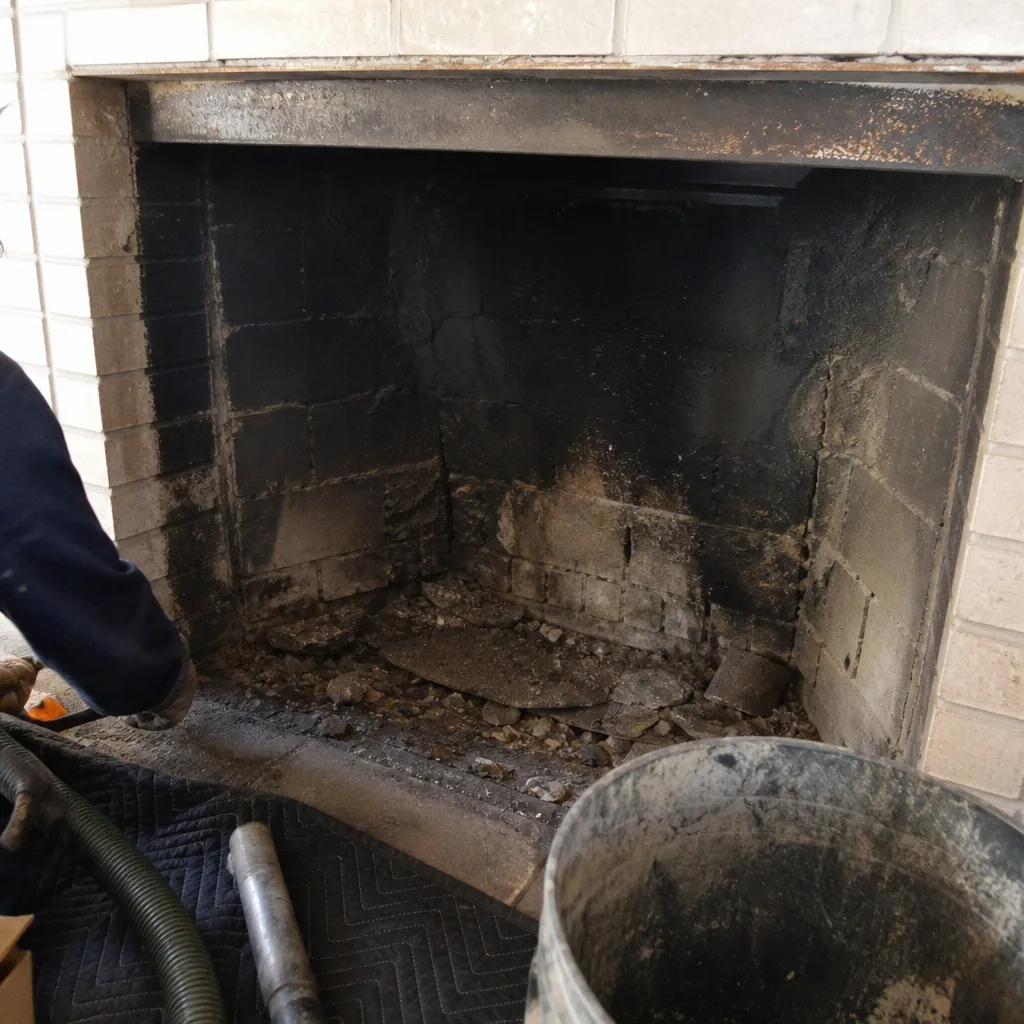 Before
 After
 Before
 After
When to Call a Professional
Some chimney conditions are safe to think about. Others aren’t. Call a professional if you smell creosote or smoke in the house while burning, if the fireplace backdrafts, if you’ve had a chimney fire of any size, or if you’re buying a Carmel home and need a Level 2 inspection before closing. Call if the flue has no liner and you’re burning wood, if the chimney has visible masonry damage after a winter, or if you can’t tell from the outside whether the last contractor did permitted work. Don’t diagnose a dangerous chimney over a phone call or a flashlight – high-tension components, gas lines, and flue interiors are places where guesswork gets expensive. Chimney Sweep Carmel offers free estimates in Carmel – call (833) 436-4994 for a sweep and inspection, and we’ll tell you plainly what’s safe, what’s maintenance, and what can wait.
Frequently Asked Questions
No – routine chimney cleaning is maintenance and doesn’t require a permit in Carmel or Hamilton County. A permit comes into play when the work changes the system: liner replacement, liner resurfacing, appliance conversion, or structural repair. If you’re only scheduling a sweep, no permit applies. Call (833) 436-4994 for a quote – estimates are free.
Generally, yes. A liner install changes the flue’s interior geometry and has to meet NFPA 211 and IRC Chapter 10 for sizing and clearance, which makes it permitted work in most Indiana jurisdictions. Ask the contractor who pulls the permit and request the inspection sign-off. Call (833) 436-4994 and we’ll walk you through what the permit on your job should cover.
A Level 1 inspection is visual and covers only accessible portions of the chimney, while a Level 2 adds a camera scan of the entire flue interior and is required when a property changes hands or an appliance changes. Level 2 is what catches tile cracks and mortar gaps that a visual pass can’t see. Call (833) 436-4994 to schedule the right level for your situation.
It can make a claim much harder to resolve. Missing permit history doesn’t automatically void coverage, but after a chimney fire or carbon monoxide event, an insurer can contest a claim when the work should have been permitted and wasn’t. The permit and inspection sign-off are the documentation that supports you. Call (833) 436-4994 if you’re trying to reconstruct what was done to a chimney in Carmel.
Ask the contractor directly, then confirm with the Hamilton County or Carmel building department – permit history is public record. Look for the municipal inspection sign-off at the end of the job, which is the paper trail you’ll want at resale. A contractor who can’t produce it isn’t finishing the work. Call (833) 436-4994 for an inspection that documents what’s actually there.
Annually, alongside the annual sweep, is the plain answer for a wood-burning chimney. The longer answer: a Level 2 is required after a chimney fire, a property sale, or a change of appliance, and recommended any time a routine sweep turns up something that needs a closer look. Carmel’s freeze-thaw winters make annual checks more valuable than in milder climates. Call (833) 436-4994 to book yours.
The Bottom Line
Routine chimney cleaning is maintenance in Carmel and doesn’t require a permit. Repair, liner replacement, and appliance conversion generally do, and the paper trail from those permits is what protects you at resale and in an insurance claim. Indiana’s adoption of NFPA 211 and IRC Chapter 10 governs liner sizing, clearances, and venting, and a code-compliant inspection report documents your flue against those standards with camera evidence. The mistakes we see most often come from treating permitted work as maintenance and letting a contractor decide which one applies. Ask the question directly, confirm with the building department, and keep the sign-off. It’s the cheapest insurance on the chimney you’re actually relying on.
Chimney Sweep Carmel provides chimney sweeping, chimney repair, and dryer vent cleaning for homeowners in Carmel and the surrounding Hamilton County area. Our technicians have up to 15 years of experience, and we work with DuraFlex, HeatShield, Gelco, Olympia Chimney, Famco, and Copperfield to match the material to the chimney condition. We can repair what we find during a sweep. Call (833) 436-4994 for a free estimate. We answer 24/7. Fast dispatch from 7am to 7pm, Sunday through Friday.
Written by the team at Chimney Sweep Carmel.