
Last updated November 14, 2026
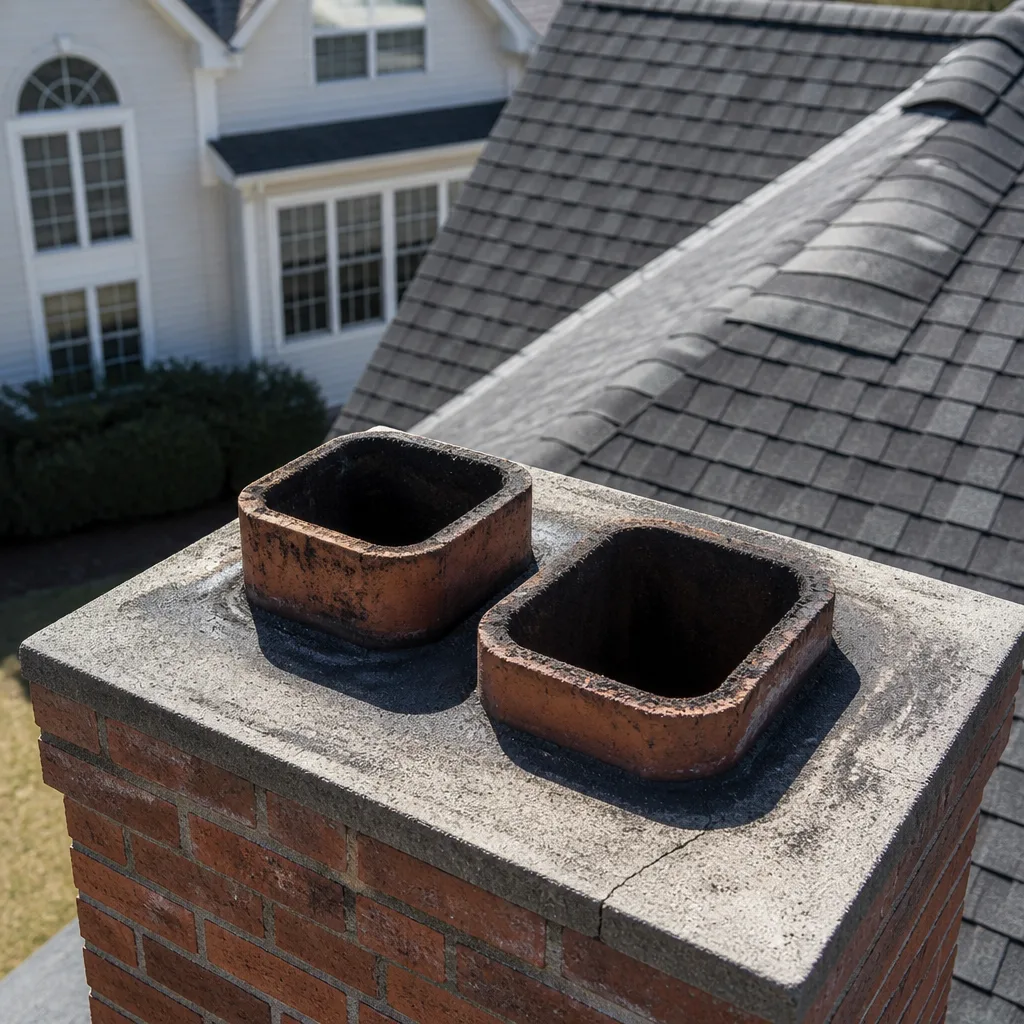 Sweep & inspection
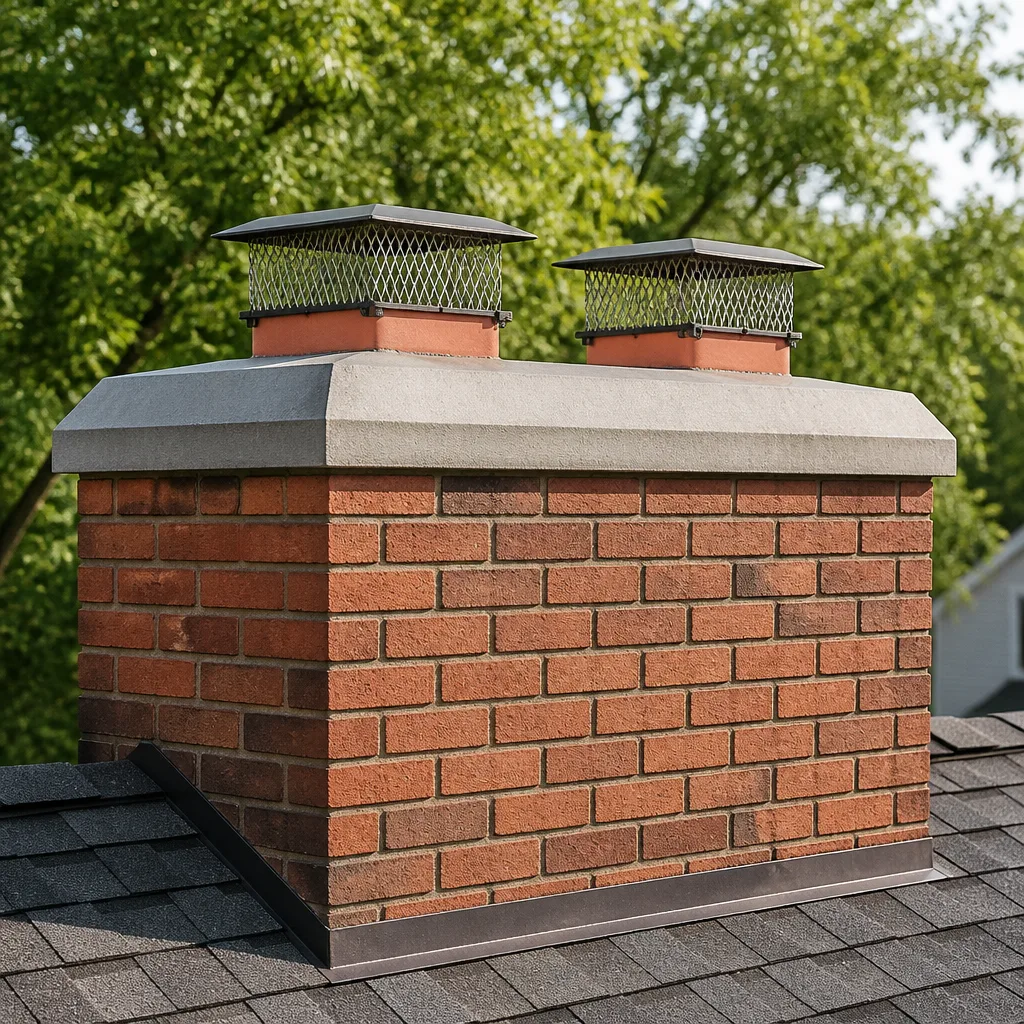 Caps & crowns
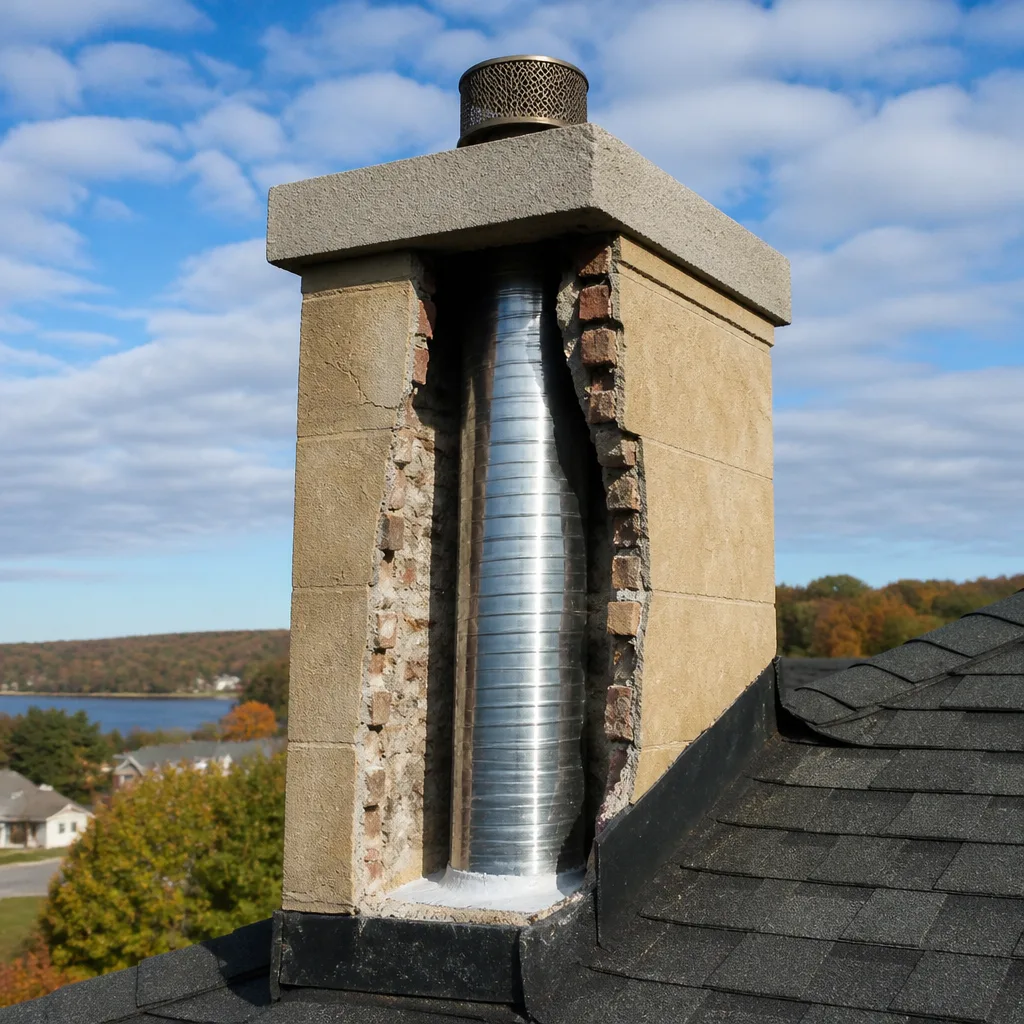 Flue relining
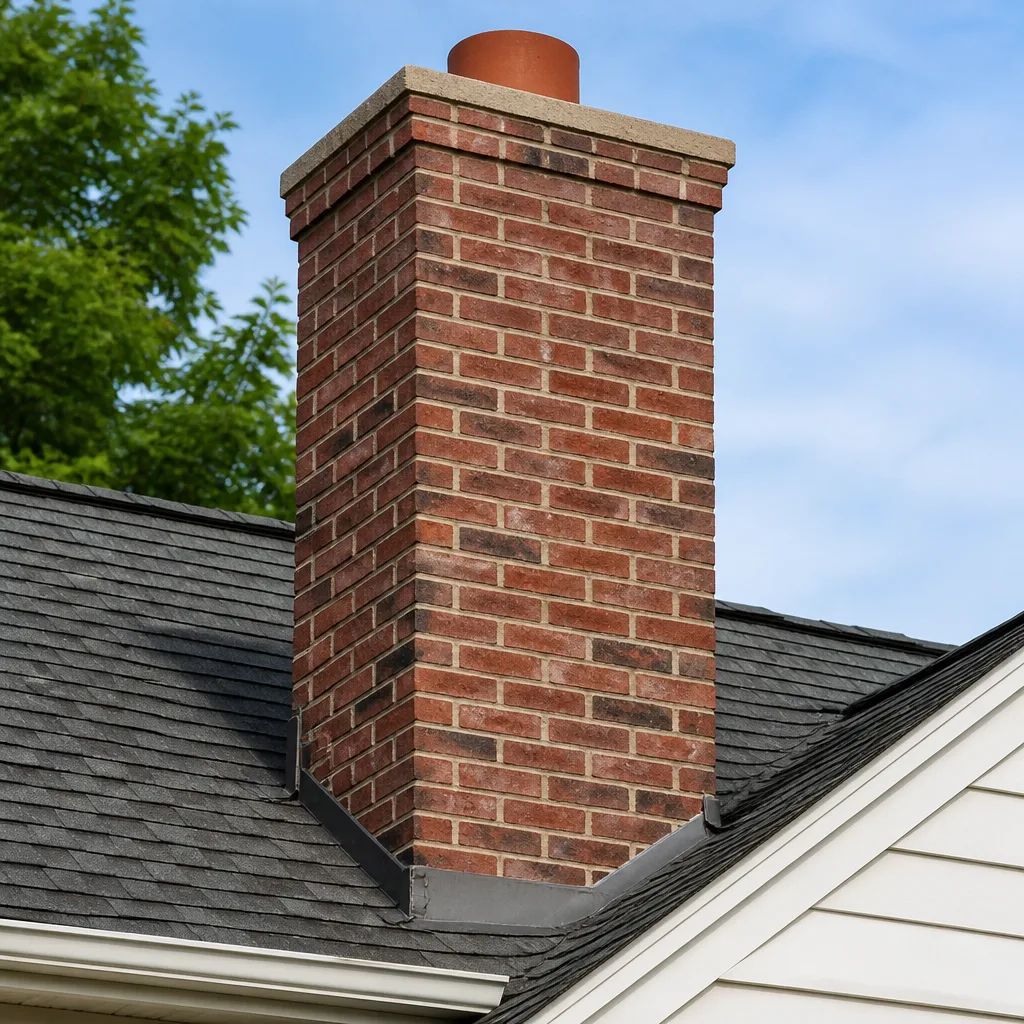 Masonry repair
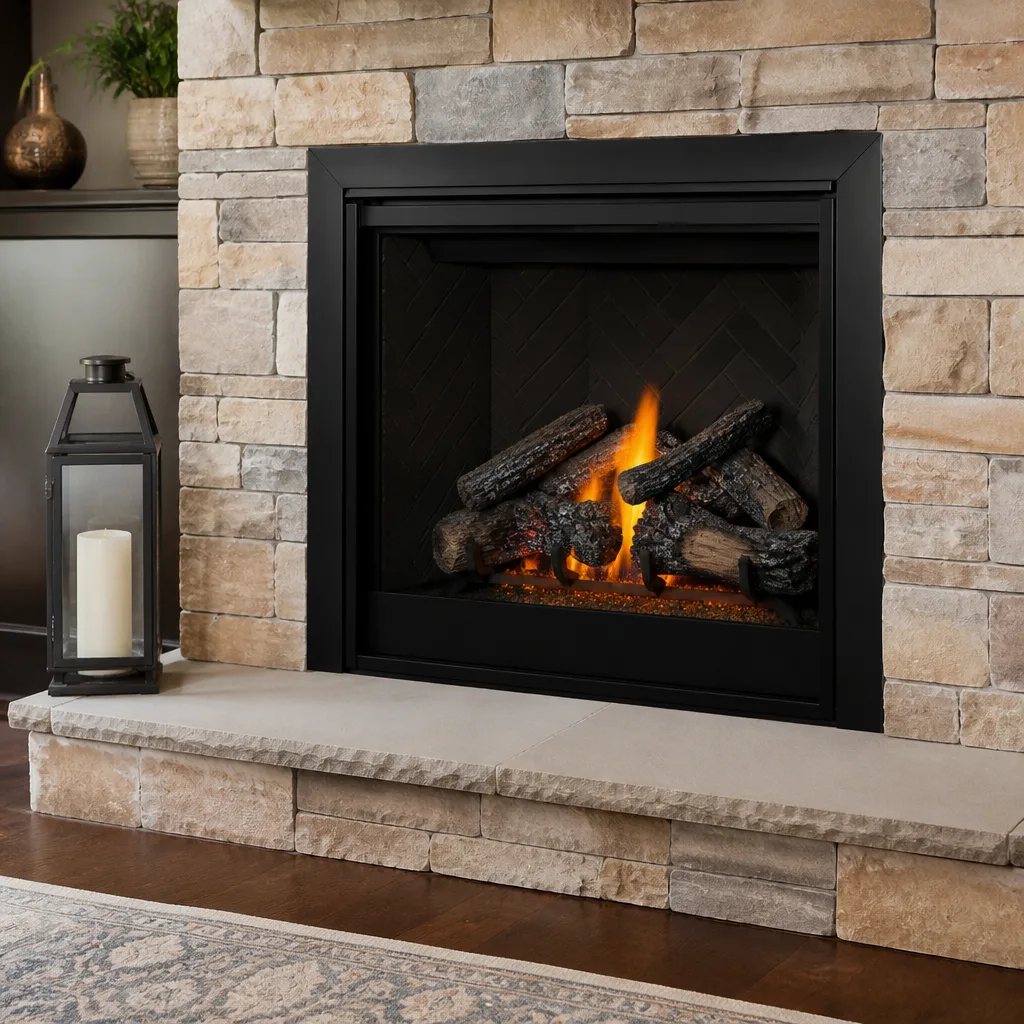 Gas fireplace service
Level 1 sweep and inspection to the NFPA 211 annual standard - flue, crown, cap, and flashing checked and photographed
Chimney sweep logs do not sweep chimneys. They loosen some creosote - which then falls where a brush and vacuum still have to collect it.
Chimney Cleaning Warning Signs: A Carmel Homeowner’s Reference Guide
A smoky smell in the middle of July, months after your last fire, usually isn’t a creosote problem at all. Nine times out of ten it’s a draft reversal driven by your home’s air pressure balance, and no amount of sweeping will fix it. We’ve seen Carmel homeowners spend money on a cleaning that was never going to solve the smell. The trick most people miss is tracing a symptom back to the component that’s actually causing it: the flue, the cap, the crown, the mortar, or the pressure envelope of the house itself. This guide walks through the warning signs we look for in Carmel, what each one points to, and how to tell a cleaning-solvable problem from a structural one before you pick up the phone.
Quick Answer
The warning signs that matter most are smoke rolling back into the room, a persistent creosote or sooty smell, white staining on exterior brick, cracked or crumbling mortar joints, water stains on the firebox or damper, and a fire that’s hard to start or burns lazily. Any of those signals that creosote has built up, that the flue is obstructed, or that moisture is getting into the masonry. Some are safe to schedule for a routine visit; others mean stop using the fireplace until a technician has inspected it.
Styles & brands we work with
- Sweep & inspection
- Caps & crowns
- Flue relining
- Masonry repair
- Gas fireplace service
Table of Contents
- The symptom-to-source matrix: what each warning sign actually means
- Is it a cleaning problem or a structural problem?
- Warning signs specific to Carmel homes
- What “draft problems” actually covers
- Stop-use conditions vs. ones that can wait
- The dryer vent is a venting system too
- Common mistakes to avoid
- When to call a professional
The symptom-to-source matrix: what each warning sign actually means
Most people describe a chimney problem in terms of what they smell or see. That’s reasonable, but it’s not specific enough to fix anything. The useful question is: which part of the system is producing the symptom? Here’s how we break it down in our experience.
- Smoky odor with no smoke present. Usually stale creosote or soot in the flue reacting to humidity, especially in summer. Points to: the flue interior. Sometimes a dead animal or nest in the flue, in which case the smell is sharper and more organic.
- Smoke rolling out into the room when you light a fire. Often a blocked or restricted flue, a cold flue that hasn’t warmed up, or a house that’s under negative pressure. Points to: flue obstruction, cap screen clogged with debris, or pressure envelope.
- White, crusty staining on the exterior brick. That’s efflorescence, mineral salts drawn out of the masonry by water. Points to: moisture intrusion, usually a failing crown, failed flashing, or a missing or damaged cap.
- Cracked or crumbling mortar joints. Points to: moisture damage, settling, or both. The pattern tells you which.
- Brown or rust-colored stains on the firebox, damper, or ceiling nearby. Points to: an active water leak from above. This one moves to the top of the priority list.
- Lazy fire, hard to start, poor draw. Points to: insufficient draft, often a flue that’s too short or too narrow for the fireplace opening, or an obstruction.
- Visible soot flaking onto the hearth. Points to: creosote at the glazed stage in the flue, or a flue that’s overdue for a sweep.
On its own, none of these answers the question. But pair a symptom with the right component and you can describe the actual problem to a technician instead of just saying “something smells off.”
Is it a cleaning problem or a structural problem?
This is the question that saves Carmel homeowners the most money and hassle. Some warning signs clear up with a standard chimney sweep. Others need a repair visit and won’t be fixed by cleaning at all.
Signs that a cleaning will likely solve
- Soot flaking onto the hearth
- Smoky smell when there’s no fire, tied to creosote or soot accumulation
- Lazy draw with a fire that improves once the flue is warm
- Minor debris in the firebox from the cap screen
Signs that point to a structural repair
- White staining (efflorescence) on exterior brick, which means water is getting in somewhere
- Cracked or spalling mortar joints on the exterior chimney stack
- Water stains inside the firebox or on the damper
- A crown that’s cracked, separated from the flue tile, or missing chunks
- A missing or damaged chimney cap
- Visible cracks in the flue tile liner
- A flue that was never lined at all (more common than you’d expect in older Carmel homes)
We carry the materials to handle the structural side too, which matters. Products like HeatShield for liner resurfacing, DuraFlex flexible liners for deteriorated flues, Gelco caps, and Famco venting components are the kind of items we work with, so a technician isn’t stuck handing you a repair list someone else has to fulfill. When we’re on the roof and see a crown issue, we can talk through it then.
Warning signs specific to Carmel homes
Central Indiana’s freeze-thaw cycle is hard on masonry. During a typical Carmel winter, moisture finds its way into exterior brick and mortar, freezes, expands, and works the joints loose. Then it thaws, soaks in again, and freezes once more. That cycle is why exterior chimney condition in Carmel needs to be checked going into each season, not just in the spring.
Efflorescence on exterior brick
White, powdery or crusty staining on the brick exterior is the freeze-thaw cycle’s signature. Efflorescence itself is harmless, but it’s a tell: water is moving through the masonry. The fix is to find where the water is coming in, usually at the crown or the flashing, not to scrub the brick. Scrubbing efflorescence off without fixing the source just means it comes back next winter, and the water damage continues inside the mortar all the while.
Mortar joint cracks: settling versus moisture damage
Mortar joints fail in different patterns depending on the cause, and reading those patterns tells you how the repair has to proceed.
- Moisture damage usually shows as uniform crumbling, sandy mortar, and spalling brick faces across a large area of the stack, often with efflorescence nearby. The vertical cracks in the joints parallel the brick.
- Settling tends to show as diagonal stair-step cracks in one area, often the same corner or side year after year, indicating the masonry is moving at that location. These are cracks you can put your finger into, not just see.
Either pattern shortens the life of the chimney and lets water and cold air into the flue system. Neither clears up with a sweep.
Cold flue syndrome in a Carmel winter
A cold, uninsulated flue in a Carmel home takes longer to warm up on the first fire of the season, which is exactly when smoke rollback is most likely. That’s a warning sign you may only see in November and December, and then never again until the next fall. It’s worth noting when it happens, since it points to an undersized or uninsulated flue rather than creosote.
What “draft problems” actually covers
People use “draft problems” as a catch-all, but it’s not one problem. It’s at least four different problems that look similar from inside the room. Each has a different cause and a different fix.
Negative pressure
Your home is a system. Bathroom fans, kitchen range hoods, and even a tightly sealed house with a furnace can pull air out faster than it comes back in, which means the chimney becomes the easiest place for the house to pull air from. That reverses the draft. This tends to show up most often in winter, when the house is sealed up tight and the furnace is running constantly. Cleaning does not fix negative pressure. The fix might be a make-up air solution, an open window during fires, or a taller cap, depending on the situation.
Cold flue syndrome
A cold flue fills with dense, heavy air that the fire has to overcome before it can pull upward. The symptom is smoke rolling out at the start of the fire and then settling once the flue warms. Pre-warming the flue with a rolled newspaper torch is the classic test, and it works most of the time. If it never stops happening even with a warm flue, the problem is structural, not thermal.
Undersized flue
The flue needs to be matched to the fireplace opening. Oversized fireplace openings paired with too-small flues produce chronic lazy draw and smoke rollback. This is a sizing mismatch, not a buildup issue, and it will not improve with cleaning. It’s the most common draft problem in homes that were renovated to open up the firebox.
Obstruction
Sometimes it’s the simplest thing: a bird nest, leaves, a collapsed flue tile, or a blocked cap screen. The symptom is total smoke rollback, no draft at all. In that case stop using the fireplace immediately and get a technician out.
Distinguishing one from another is why a professional inspection matters. Our technicians have up to 15 years of experience reading these patterns, and we’d rather spend a few minutes on the roof diagnosing than guess from inside the room.
Stop-use conditions vs. ones that can wait
The most valuable judgment call in the whole guide is this one: some warning signs mean stop using the fireplace today, and some just mean schedule a visit. Getting it wrong has real consequences.
Stop using the fireplace now and call
- Smoke rolling back into the room and not clearing, especially if you can smell gas or a sharp, unfamiliar odor
- A strong creosote smell that’s getting stronger, or visible smoke inside the room that isn’t coming from the firebox
- Any sign of a chimney fire, even a small one: a roaring sound, a hot chimney exterior, or puffs of smoke escaping joints
- Visible cracks in the flue tile liner, especially at joints, which let heat and carbon monoxide reach the masonry
- Water actively leaking into the firebox or onto the damper
- Carbon monoxide detector going off for any reason
Safe to schedule for the next available visit
- Mild smoky odor, no fire present
- Lazy draw that resolves when the flue is warm
- Efflorescence with no interior leak
- Cracked mortar joints, no spalling brick
- A cap that’s missing or bent but still attached
- Fireplace that hasn’t been swept in over a year
We’re clear with Carmichael homeowners about which of these is which. Nothing is flagged as urgent unless the evidence supports it, and if a repair can wait until spring, we’ll say so.
The dryer vent is a venting system too
The same fire-safety logic that applies to your chimney applies to your dryer vent. Both are exhaust systems moving hot, moisture-laden air and combustion byproducts out of your home. When either one is restricted, heat builds up where it shouldn’t. Lint is the dryer vent equivalent of creosote. It’s a fuel that accumulates when the vent isn’t cleaned.
Warning signs of a clogged dryer vent
- Clothes take two or more cycles to dry
- The dryer or the wall behind it feels hot to the touch
- A burning or musty smell during the dry cycle
- The exterior vent flap doesn’t open fully when the dryer runs
- Lint accumulating around the dryer or on the floor beneath it
Homeowners rarely connect a slow dryer to fire risk, but that’s exactly what it is. We handle dryer vent cleaning as one of our three core services, so if you’re already having the chimney inspected, the dryer vent is worth having looked at in the same visit. It’s the venting system most homeowners never think about.
Common Mistakes to Avoid
- Assuming a smell means you need a sweep. A smoky smell in summer with no fire usually means stale creosote or a draft reversal, and those have different fixes. A sweep won’t cure negative pressure.
- Scrubbing efflorescence off the brick without finding the source. The white staining in Carmel winters is a moisture tell. Cleaning it up leaves the water damage running underneath.
- Treating a creosote smell as cosmetic. If the flue hasn’t been swept in more than a year, the smell is a signal that buildup is present.
- Assuming the damper is open when the smoke rolls back. Check the damper first. It’s the simplest explanation and it catches people every year.
- Hiring a sweep service that doesn’t repair. If the technician finds a cracked crown or a failed cap, you’ll be handed a list and told to find another contractor. We can repair what we find, which is the whole point of a full-service chimney and venting specialist.
- Ignoring the dryer vent because “the dryer still works.” A dryer that takes two cycles is the same warning sign as a lazy chimney draft: restricted airflow. It’s worth addressing.
- Letting a stop-use condition slide into “deal with it next fall.” Cracks in the flue tile liner let heat and carbon monoxide reach places they shouldn’t. That’s not a spring project.
When to Call a Professional
Call a professional when you have any of the stop-use conditions above, when you see efflorescence or mortar cracking on the exterior, when your fire produces smoke in the room even with the damper open, or when the fireplace hasn’t been inspected in over a year. Call also if your dryer is taking multiple cycles to dry clothes or the exterior vent flap doesn’t open during a cycle. Those are the signs that warrant eyes on the system, not another season of guessing. If you’re unsure whether what you’re looking at is urgent or routine, describe it to a technician on the phone; that’s a conversation we’re happy to have.
Chimney Sweep Carmel offers free estimates in Carmel. Call (833) 436-4994. We answer 24/7. Fast dispatch from 7am to 7pm, Sunday through Friday.
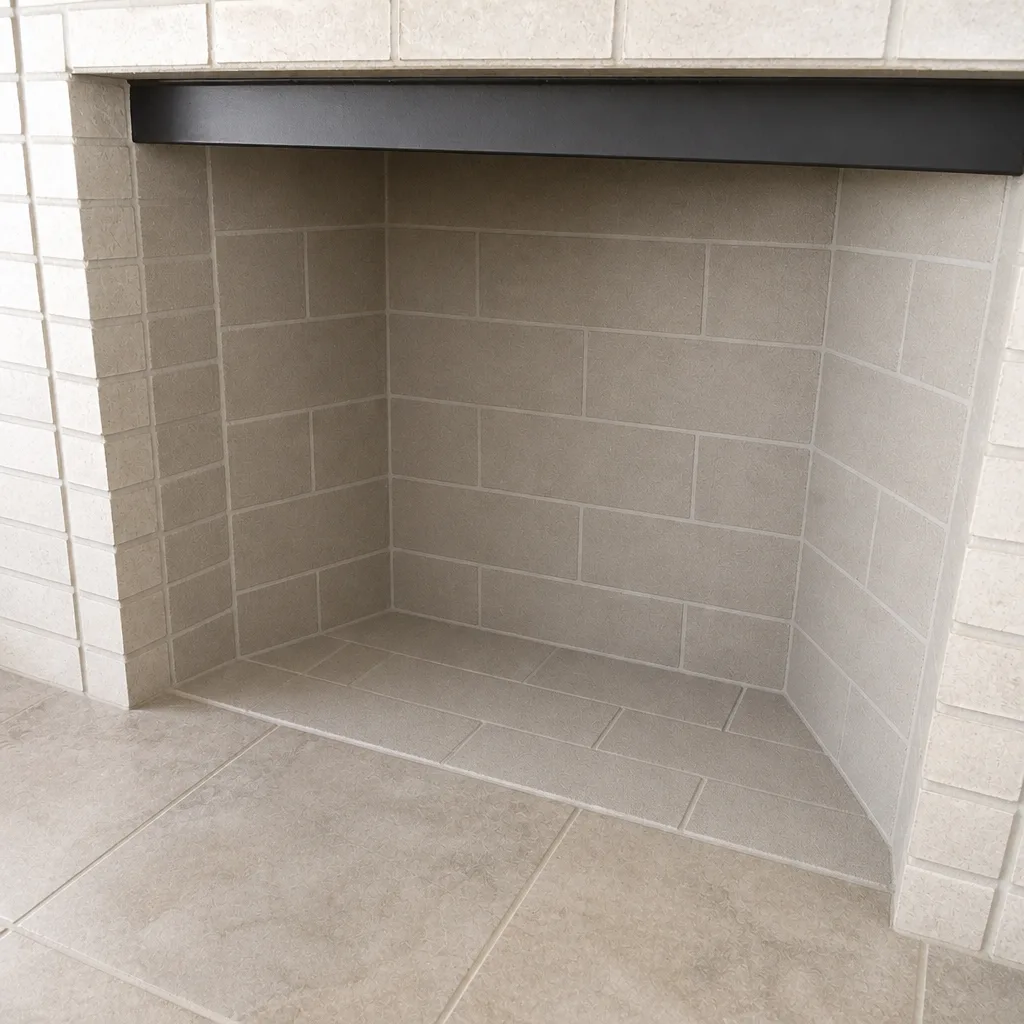
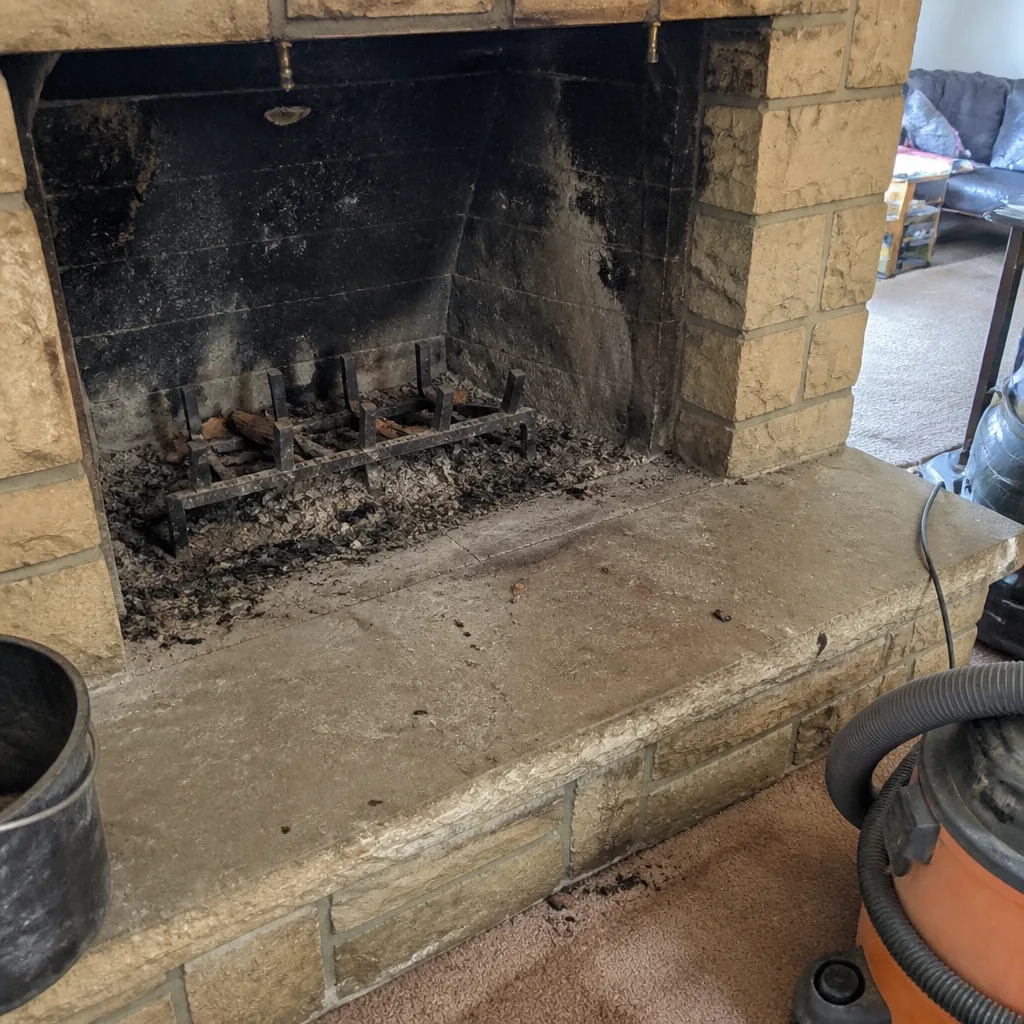
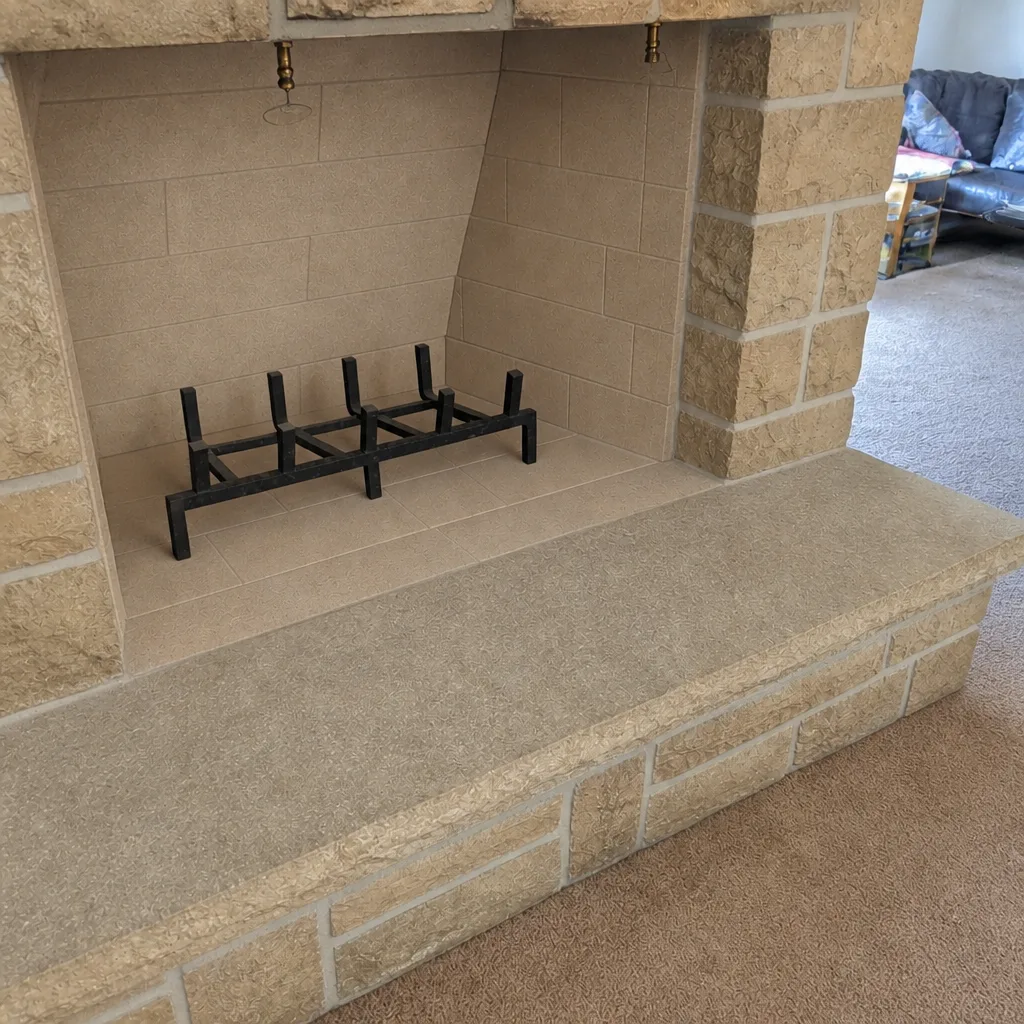
See the difference
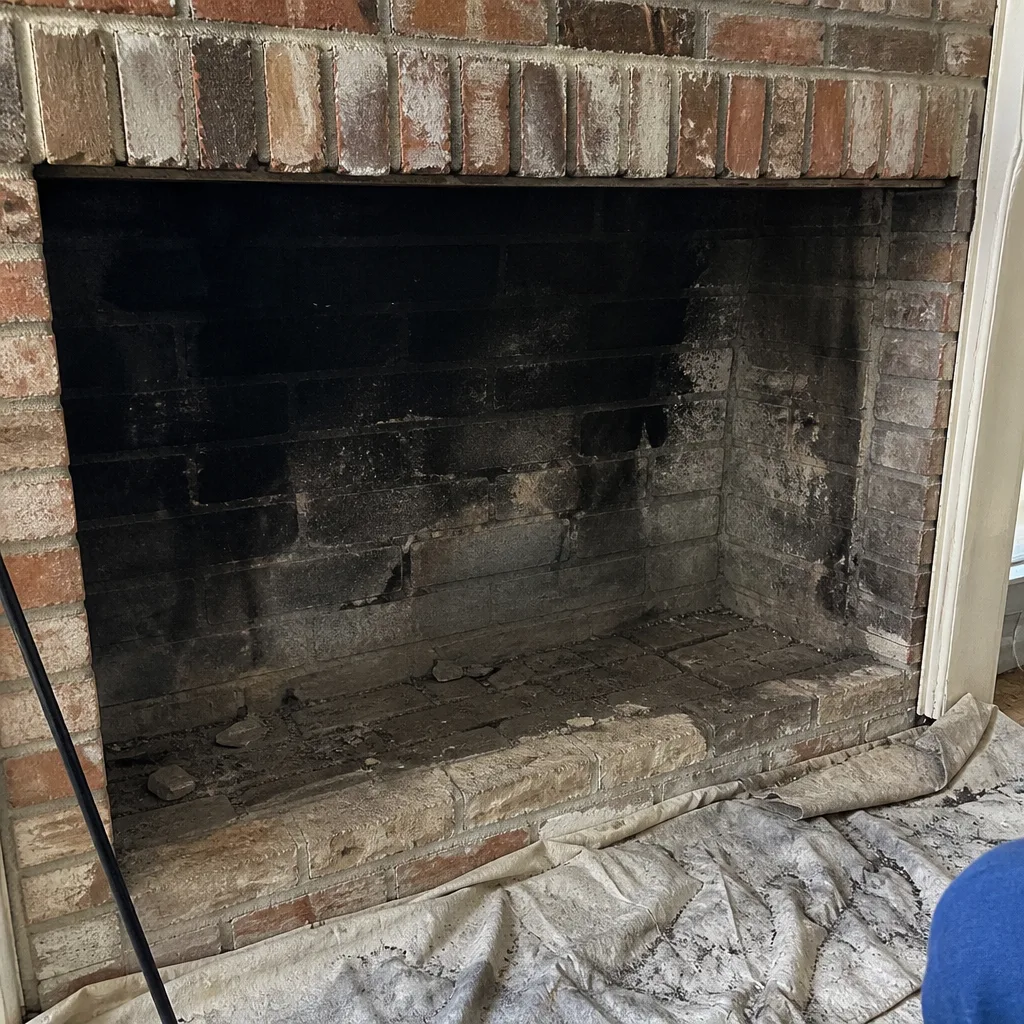 Before
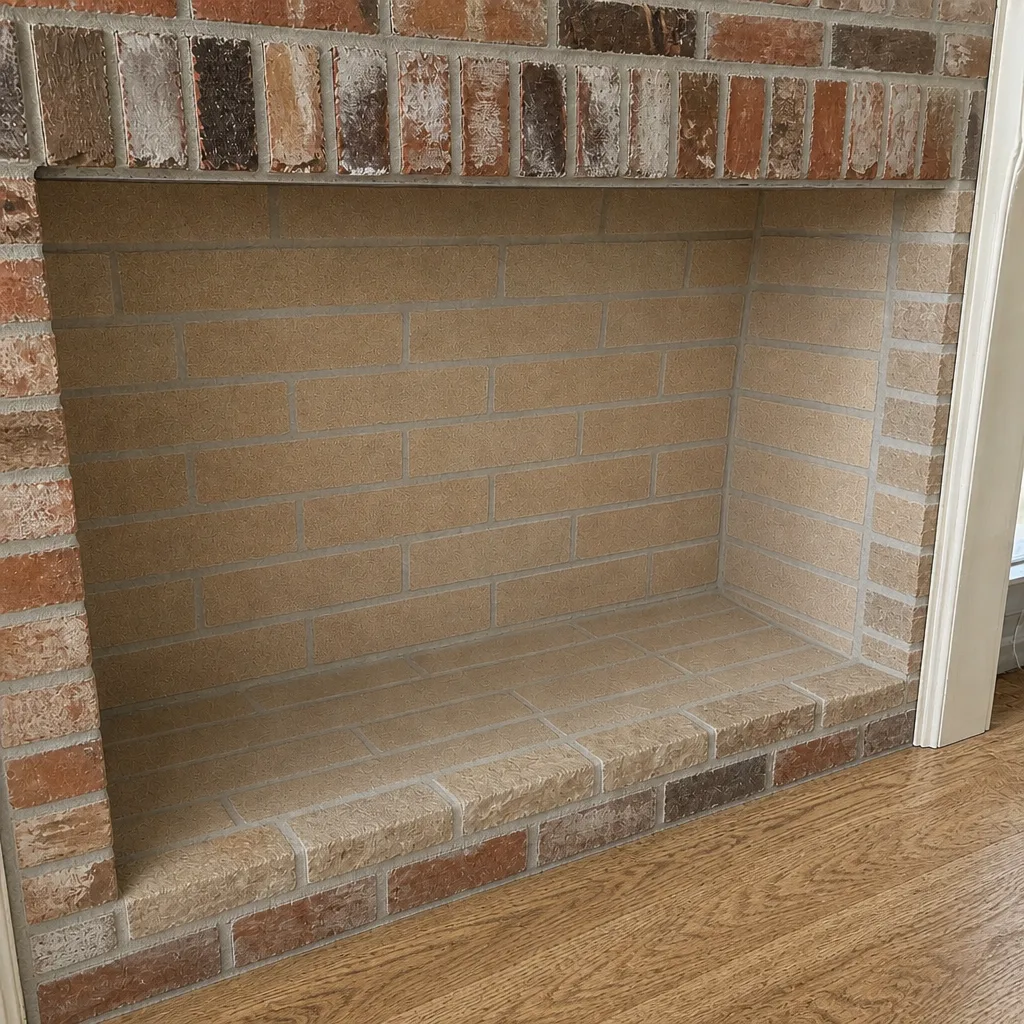 After
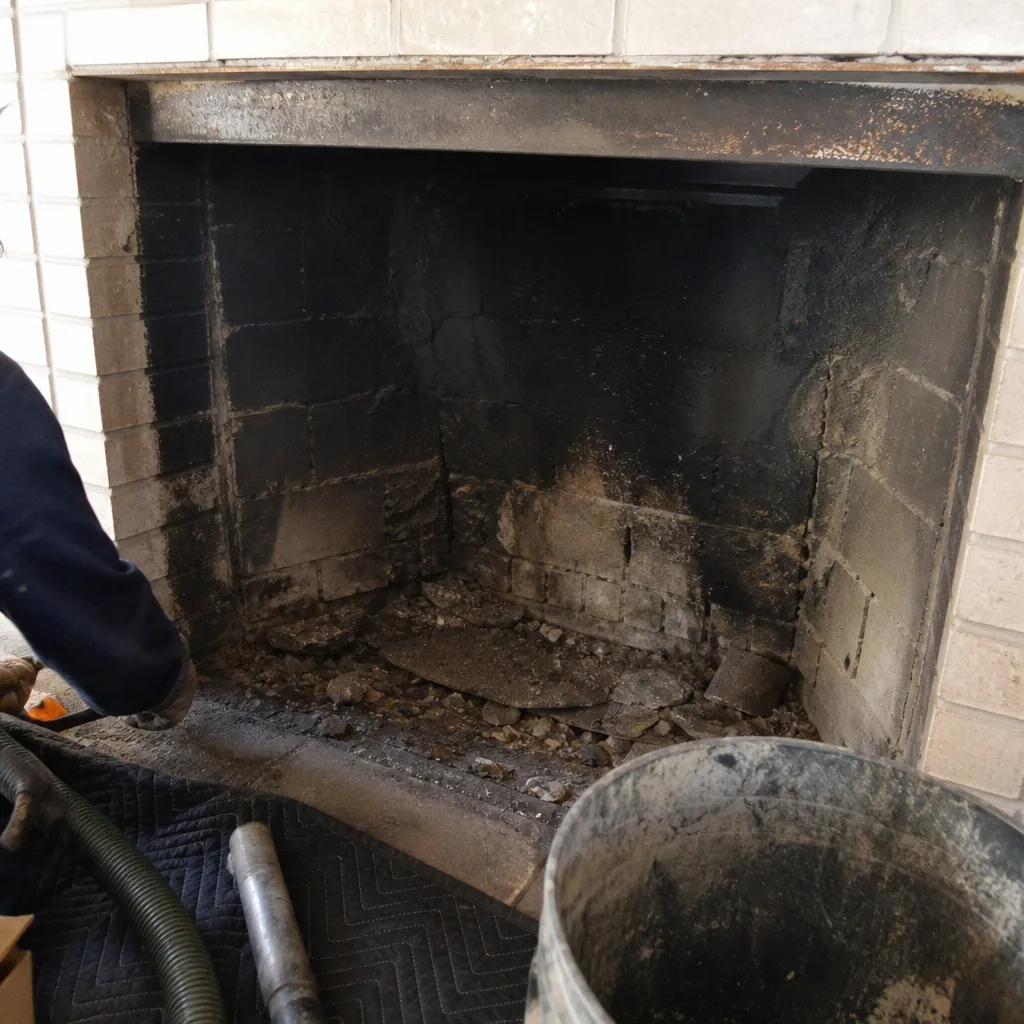 Before
 After
 Before
 After
Frequently Asked Questions
Efflorescence, the white staining on exterior brick, is the most common warning sign we see on Carmel chimneys. It’s a moisture signal, not a cleaning problem, and it tends to peak going into winter as the freeze-thaw cycle works on the masonry. If you spot it, the fix is finding where water is entering, usually at the crown or flashing. Call (833) 436-4994 for an exact quote; estimates are free.
A smoky smell in summer with no fire is usually one of three things: stale creosote reacting to humidity, an animal or nest in the flue, or a draft reversal from your home’s air pressure balance. Cleaning helps the first two. The third is a pressure issue and won’t clear with a sweep. A technician can distinguish which one you’re dealing with. Call (833) 436-4994 to be scheduled; estimates are free.
A cold flue produces smoke rollback until the flue warms up, and then it drafts correctly. Negative pressure produces rollback any time the house is pulling more air out than in, so it can happen all winter regardless of flue temperature. Pre-warming the flue with a rolled newspaper torch is the practical way to tell them apart. If the smoke persists with a warm flue, it’s pressure or sizing. Call (833) 436-4994 for a professional diagnosis; estimates are free.
Yes, if it’s been more than a year since the last inspection. Chimney problems often develop silently: creosote builds up, a crown cracks, a cap fails, and none of it is visible from inside the room. A camera inspection during a sweep is how you catch those before they become repairs. Call (833) 436-4994 to book; estimates are free.
Usually yes, but with attention. Efflorescence alone doesn’t mean the flue is unsafe; it means water is getting into the masonry, which will shorten the chimney’s life if left alone. Look inside the firebox for water stains or rust on the damper first. If those are present, stop using the fireplace until it’s inspected. Call (833) 436-4994 to have it looked at; estimates are free.
Once a year is the standard recommendation for a wood-burning fireplace, and more often if you burn frequently or burn green wood. Carmel’s long heating season means most chimneys accumulate creosote faster than homeowners expect. A sweep at the start of the season catches buildup before it’s an issue. Call (833) 436-4994 to get on the schedule; estimates are free.
The Bottom Line
The warning signs worth knowing are the ones you can connect to a component: a smell points to the flue or the pressure envelope, white staining points to moisture at the crown or flashing, cracked mortar points to settling or moisture damage, and lazy draft points to sizing or obstruction. Read them together and you’ll know whether what you’re looking at needs a cleaning, a repair, or a stop-use decision. If any symptom has you wondering which category it’s in, describe it to a technician. That’s what the call is for, and the estimate is free. Written by the team at Chimney Sweep Carmel.
Call (833) 436-4994. We answer 24/7. Fast dispatch from 7am to 7pm, Sunday through Friday. If you’re in Carmel and want eyes on your chimney or dryer vent, we can book you in. For a fuller picture of what we do, start with Chimney Sweep Carmel.
Written by the team at Chimney Sweep Carmel.