
Last updated November 14, 2026
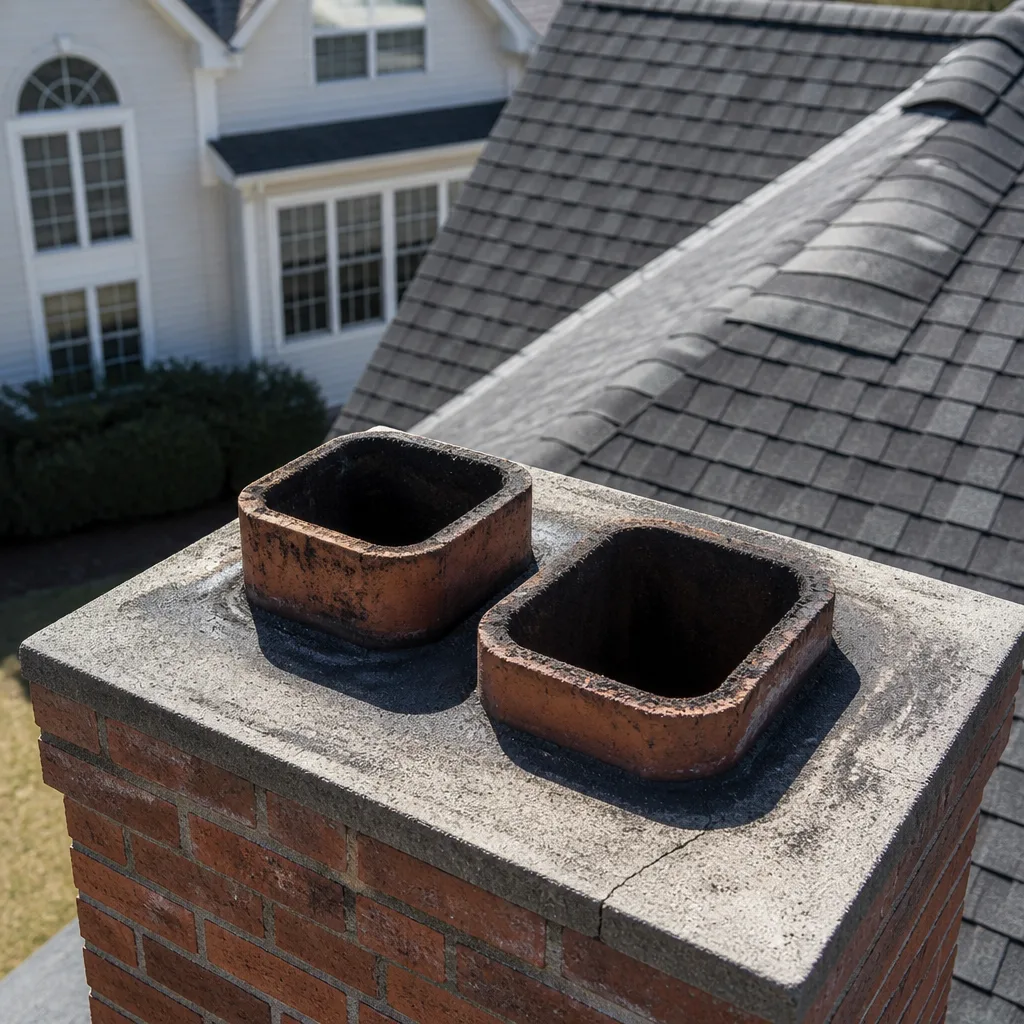 Sweep & inspection
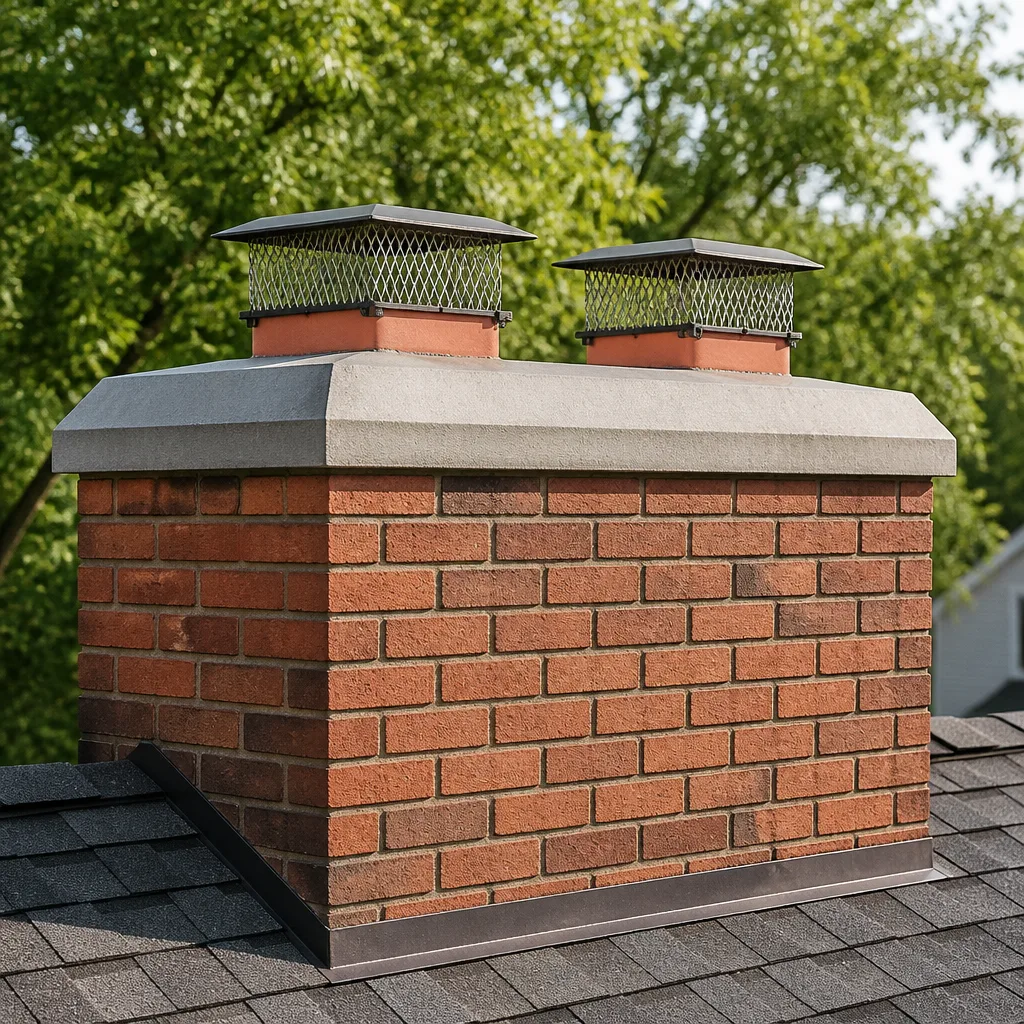 Caps & crowns
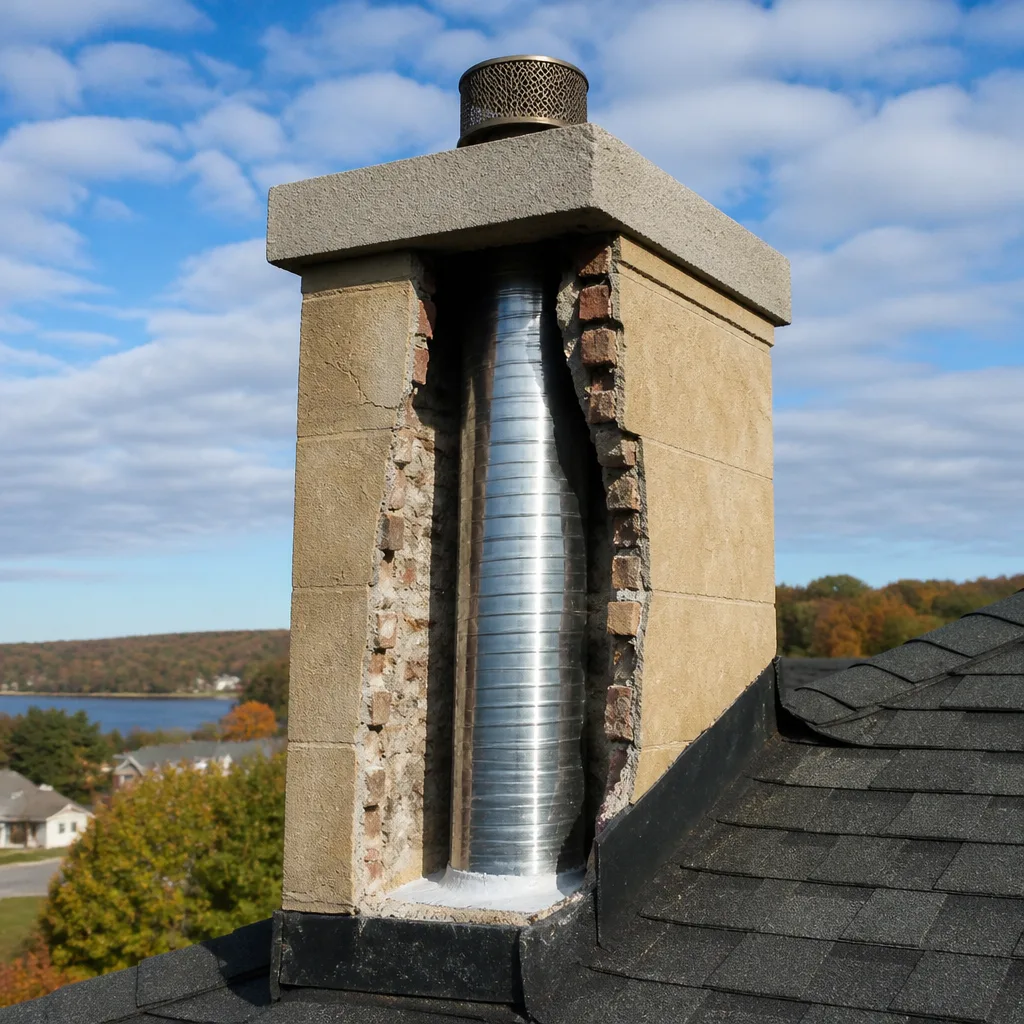 Flue relining
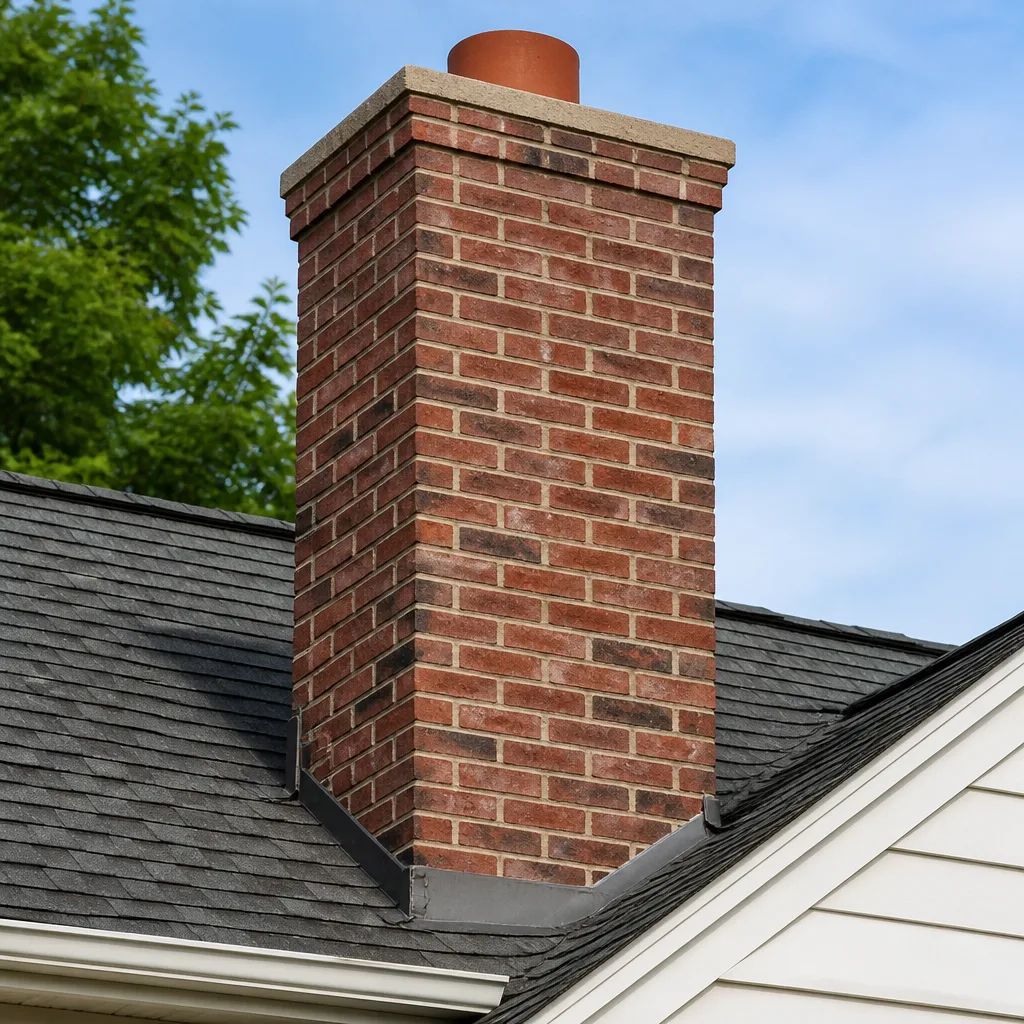 Masonry repair
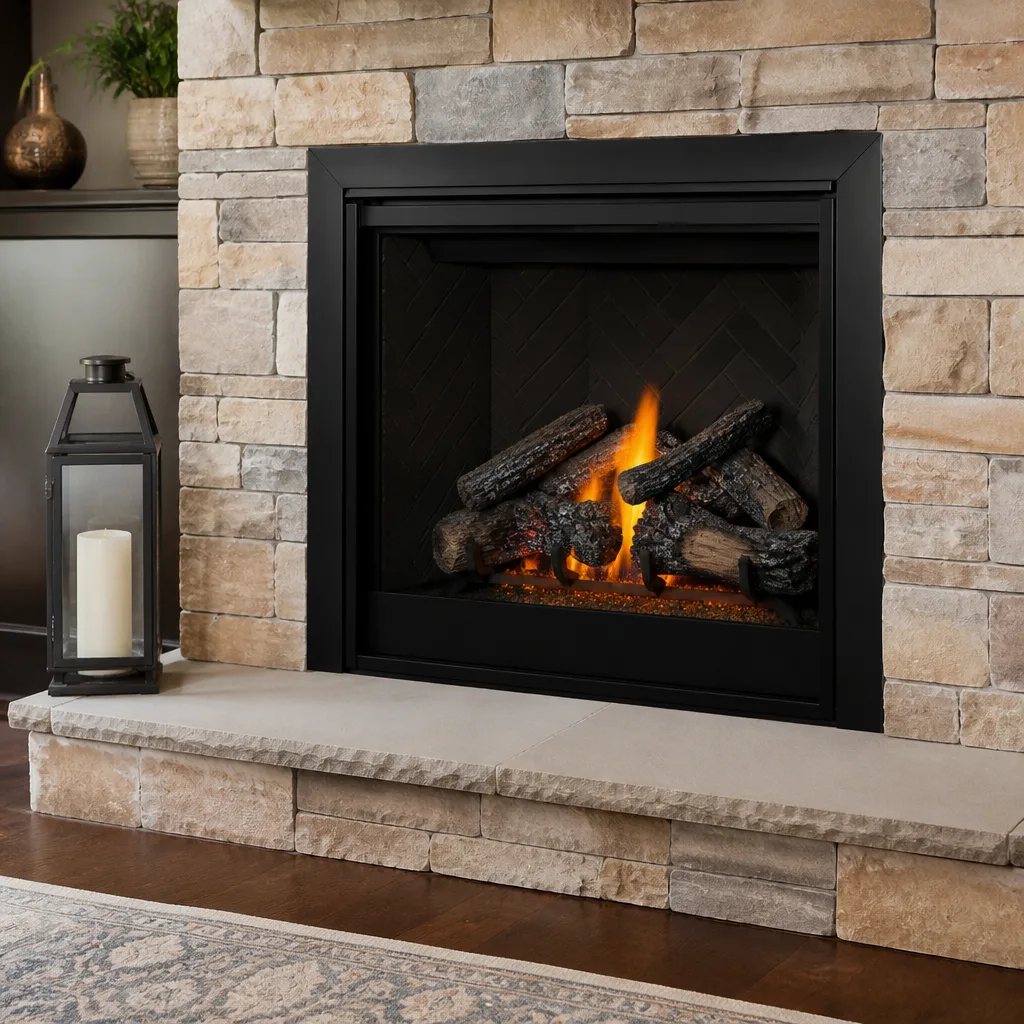 Gas fireplace service
Level 1 sweep and inspection to the NFPA 211 annual standard - flue, crown, cap, and flashing checked and photographed
Chimney sweep logs do not sweep chimneys. They loosen some creosote - which then falls where a brush and vacuum still have to collect it.
Chimney Sweep Troubleshooting in Carmel: Common Problems and How to Fix Them
If your fireplace smokes back into the room after a cleaning, the cleaning wasn’t the problem, and doing it again won’t fix it. Backdraft, draft starvation, and negative pressure are three separate diagnoses that all look identical from the living room. Homeowners in Carmel call us convinced they need another sweep, and often the flue is spotless. The trouble lives in the pressure balance of the house, the height of the stack, or a liner that’s lost its seal. This guide teaches you to read your chimney’s symptoms the way a technician does, so you stop paying for the wrong fix and start asking the right questions.
Quick Answer
Most chimney complaints in Carmel fall into four categories: smoke rollout, slow draft, odor intrusion, and water staining. Each points to a different structural cause, and each needs a different repair. A camera inspection tells you which one you’re dealing with before anyone touches the flue. Once the cause is confirmed, a sweep, a liner repair, or a cap replacement can often be completed the same visit.
Styles & brands we work with
- Sweep & inspection
- Caps & crowns
- Flue relining
- Masonry repair
- Gas fireplace service
Table of Contents
- The Four Complaints and What They Actually Mean
- Why Carmel Homes Get Backdraft Even With a Clean Flue
- Obstruction or Draft Problem? How to Tell Them Apart
- A Safe Ground-Level Check You Can Do Yourself
- What We Can Fix on the First Visit
- What Needs Masonry Work Scheduled Separately
- Your Dryer Vent Is a Venting System Too
- How Often a Carmel Chimney Really Needs Sweeping
The Four Complaints and What They Actually Mean
Nearly every call we take about a problem chimney starts with one of four symptoms. They sound related, but they aren’t. Treating them as one issue is how homeowners end up paying twice for the same visit.
1. Smoke rollout
Smoke spilling into the room when you light a fire is a pressure or draft failure. The flue may be clean and still roll smoke if the house is pulling harder than the chimney. This is the single most misdiagnosed complaint we encounter.
2. Slow draft
A fire that’s hard to start, burns lazy, or smolders instead of catching usually points to a draft problem: stack height, flue-to-firebox sizing, or a liner that’s cracked and letting air in where it shouldn’t. A dirty flue can cause it too, but a sweep that doesn’t solve it means something else is going on.
3. Odor intrusion
That acrid smell on a warm day, when there’s no fire burning, is creosote and soot off-gassing. It’s driven by outside air pressure pushing down the flue. Odor is not a sign the chimney is dirty so much as a sign the draft is reversed when the fireplace is idle.
4. Water staining
Brown streaks on the firebox, rust on the damper, or a stain on the ceiling near the chimney chase all point to water getting in. The culprit is usually a failed cap, a cracked crown, or missing flashing. None of these are cleaning problems.
Reading the symptom correctly is half the fix. If the complaint is water, no amount of sweeping helps. If it’s pressure, the flue was never the issue. Once you name the category, the repair path becomes obvious.
Why Carmel Homes Get Backdraft Even With a Clean Flue
Carmel’s newer subdivisions are built tight. That’s good for your heating bill and hard on your chimney. Modern construction wraps the house in a vapor barrier and seals every gap, which means indoor air has no easy path back out except up the flue. When a bath fan, a kitchen hood, or a furnace kicks on, it pulls air toward it. If the house is sealed, that air comes down the chimney instead.
This is negative pressure, and it explains a lot of what Carmel homeowners blame on the sweep. You can have a spotless flue, a properly sized liner, and a fire that still smokes into the room because the house is fighting the chimney for air.
Signs you’re dealing with pressure, not dirt:
- The problem is worse on windy days or when another exhaust fan is running
- Smoke rolls out at startup and then the fire settles
- The smell appears on mild days with no fire burning
- Sweeping didn’t change the behavior
The fix starts with a makeup air assessment. A technician checks whether opening a window near the fireplace cures the roll-out, whether the flue is properly sized for the firebox opening, and whether a top-sealing damper or a taller termination would restore the pressure balance. Some homes need a flue extension. Some need a different cap. The point is diagnosis first, hardware second.
Obstruction or Draft Problem? How to Tell Them Apart
A flue obstruction and a draft problem both produce a fire that won’t burn right, and homeowners constantly conflate them. They aren’t the same, and the fix for one does nothing for the other.
Obstruction
An obstruction is something physically in the flue: a bird nest, a fallen cap, leaves, or a build-up of soot so heavy it narrows the passage. The classic sign is a fire that used to burn fine and suddenly doesn’t. The flue got blocked, and the fix is to clear it.
Draft problem
A draft problem is a design or condition failure. The flue is open and clear, but the chimney can’t pull air the way it should. Causes include:
- Stack height too short for the firebox opening
- Flue cross-section too large or too small for the fire
- A liner that’s cracked, disconnected, or missing at a joint
- Pressure conditions inside the house (see the section above)
The way to separate the two is a camera inspection. A camera down the flue shows immediately whether there’s an obstruction or an open but underperforming passage. If the flue is clear and the fire still misbehaves, you have a draft problem, not a blockage, and the repair will involve sizing, height, or liner work rather than a sweep.
We’ve seen plenty of Carmel homeowners pay for a second and third sweep before anyone ran a camera. That’s wasted money. One inspection would have told them the flue had been clear the whole time.
A Safe Ground-Level Check You Can Do Yourself
Before you call anyone, there are a few things you can inspect safely from the ground. This isn’t a repair guide, and it doesn’t replace a professional inspection, but it will tell you which kind of problem you’re likely facing and help you describe it accurately on the phone.
- Look at the cap. From the ground, check whether the cap is straight, intact, and free of debris. A leaning or missing cap is a common cause of both water intrusion and obstruction.
- Check the crown. The concrete or mortar crown at the top of the chimney should slope away from the flue and have no visible cracks. A cracked crown lets water straight into the masonry.
- Inspect the flashing. Where the chimney meets the roof, the metal flashing should be tight and sealed. Gaps and lifted edges are water entry points.
- Look for staining on the exterior. White or brown streaks running down the brick signal water migration through the masonry, not just a surface stain.
- Test the draft with a match. With no fire burning, hold a lit match near the open damper. The smoke should pull up the flue. If it drifts into the room, draft is reversed.
- Open a window and repeat. If the match test passes with a window cracked and fails without it, you’re looking at a pressure problem, not a blockage.
From there, describe what you saw when you call. A technician can tell a lot from your report before arriving, and it means the right tools and materials come to the job.
What We Can Fix on the First Visit
Not every chimney problem needs a second appointment. A good portion of what a sweep uncovers can be corrected while we’re there, which is why we bring a full materials bench to the job rather than a brush and a clipboard.
On the first visit, we can typically handle:
- Cap replacement and vent corrections using Gelco or Famco components when the cap is the actual problem
- Liner resurfacing with HeatShield where the flue has cracked or deteriorated joints but the structure is otherwise sound
- A full flue reline with a DuraFlex system when the liner is beyond resurfacing and the chimney is unlined or failing
- Obstruction removal and a full sweep with camera evidence you can watch
- Pressure corrections like a top-sealing damper or a flue extension when the diagnosis points that way
What we don’t do is recommend a repair without showing you the camera footage. If the liner looks fine, we say so. If the crown has one hairline crack and can safely wait a season, we tell you that too. The only repairs worth doing are the ones the evidence supports.
We work with product lines from DuraFlex, HeatShield, Gelco, Olympia Chimney, Famco, and Copperfield because no single material fits every flue condition. A cracked clay liner and a failed stainless system need different solutions, and having the right one on hand is what makes a same-visit fix possible. If you want to know what a routine chimney sweep covers, that page walks through the full process.
What Needs Masonry Work Scheduled Separately
Some problems are structural, and structural work needs its own appointment. It’s honest to say which category your repair falls into before anyone starts work, because a masonry rebuild isn’t something to schedule on the back of a sweep.
The following typically require separate scheduling:
- Rebuilding the crown or the top few courses of brick
- Replacing a chimney chase where the framing or exterior has failed
- Repointing extensive mortar joints that have crumbled through the mass of the masonry
- Repairing or replacing flashing that has separated from the roof
- Removing a firebox that has cracked to the point of being unsafe
Some of these we can assess during the sweep and then coordinate. Others need a dedicated masonry appointment. What matters is that you get a straight answer about which list your repair belongs on, and that the answer is backed by something you can see.
If the damage is minor, we’ll say so, and we’ll tell you when it can safely wait. Not everything needs to be done this week. Roof and masonry work is worth doing well once, not twice because it was rushed.
Your Dryer Vent Is a Venting System Too
The same fire-safety logic that drives chimney sweeping applies to the duct behind your dryer. Lint accumulates the same way creosote does, and the risk is the same: a restricted vent traps heat, and trapped heat ignites. If your dryer takes two cycles to dry a load, or the outside vent flap doesn’t open when the dryer is running, the vent is restricted.
Carmel households often have long dryer runs through the wall and up to the roof, which gives lint more places to collect. A professional dryer vent cleaning clears the full run, not just the section behind the machine, and confirms the vent is exhausting properly. It’s one of the few home maintenance tasks that has a direct fire-risk payoff.
Because we handle chimney and dryer vent work under the same roof, a single call covers both. If your last sweep was a while ago, it’s a good reason to book both and get them on the same calendar.
How Often a Carmel Chimney Really Needs Sweeping
The general rule is once a year for a working wood-burning fireplace, and that holds for most Carmel homes. But the rule isn’t about the calendar, it’s about creosote. The right question is how much creosote your fire is depositing, and that depends on what you burn and how you run the fire.
Factors that push toward more frequent sweeping:
- Burning unseasoned or green wood, which deposits more creosote
- Burning softwood as the primary fuel
- Smoldering, low-air fires, which produce more creosote than hot, active ones
- A flue that’s oversized for the firebox, which runs cooler and deposits faster
- A home used heavily through a long heating season
Gas inserts and gas log sets don’t produce creosote, but they do deposit soot, and their flues still need inspection. If you have a gas appliance, the annual check is more about the liner and the venting than the brush.
If you’ve never had the flue inspected, that’s the first step regardless of frequency. A camera inspection in Carmel establishes a baseline, and from there it’s straightforward to know how often your specific chimney needs attention.
Common Mistakes to Avoid
- Assuming every problem is a cleaning problem. If you’ve been swept recently and the smoke still rolls, the flue isn’t the issue. Paying for another sweep gets you the same result.
- Skipping the camera inspection. A sweep without a camera is a guess. The camera is what tells you whether the flue is clear, cracked, or obstructed, and you should see the footage.
- Burning wet or green wood to save money. It costs less at the woodpile and more at the flue. Seasoned wood burns hotter and deposits less creosote.
- Ignoring the dryer vent. Homeowners check the chimney and forget the duct behind the dryer. Both are venting systems, and both are fire risks when restricted.
- Letting a small crown crack turn into a rebuild. A cracked crown lets water into the masonry and freezes in a Carmel winter, which widens the damage. Fixing it early is cheaper than a rebuild.
- Replacing a cap with a generic one-size option. Improperly sized caps are a common cause of both pressure problems and draft problems. A cap should match the flue, not just cover it.
- Trusting a repair recommendation without evidence. If a technician tells you that you need a full reline, ask to see the camera footage. A legitimate diagnosis holds up to that question.
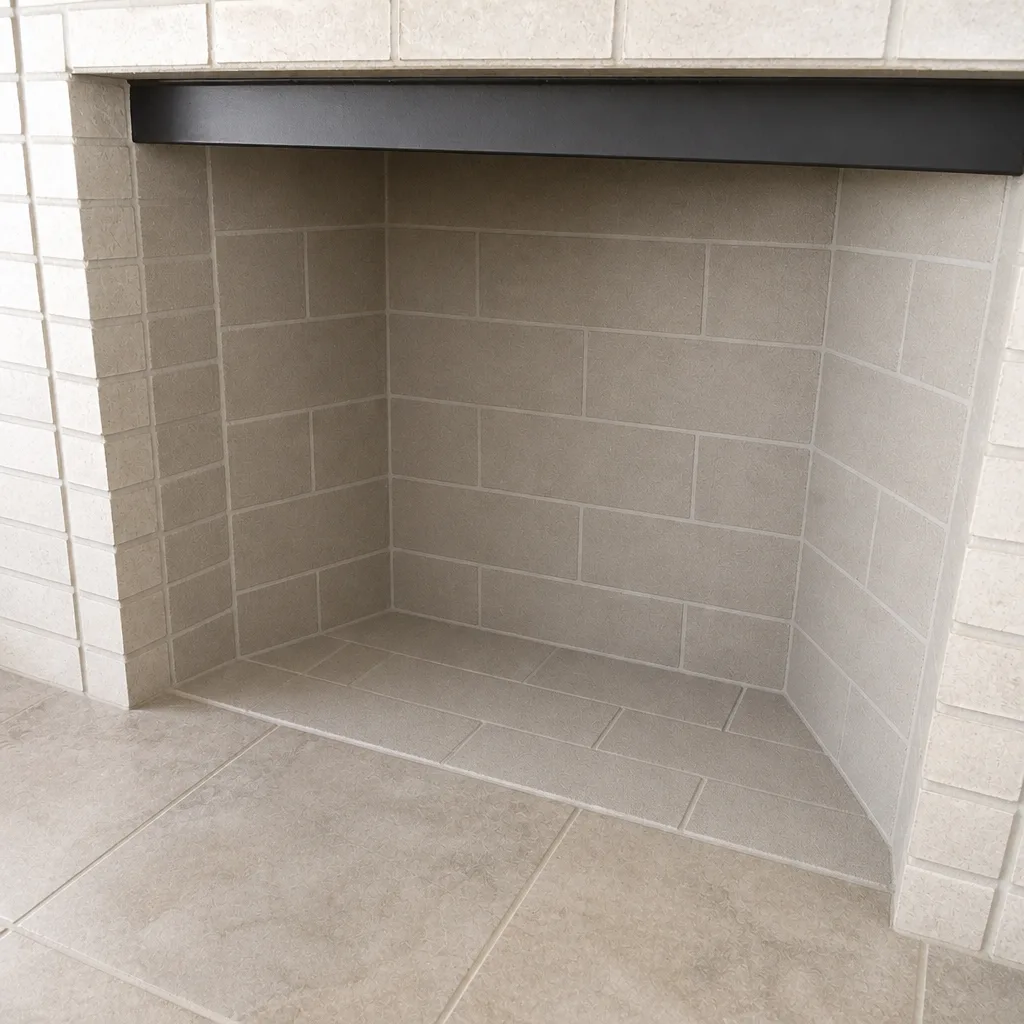
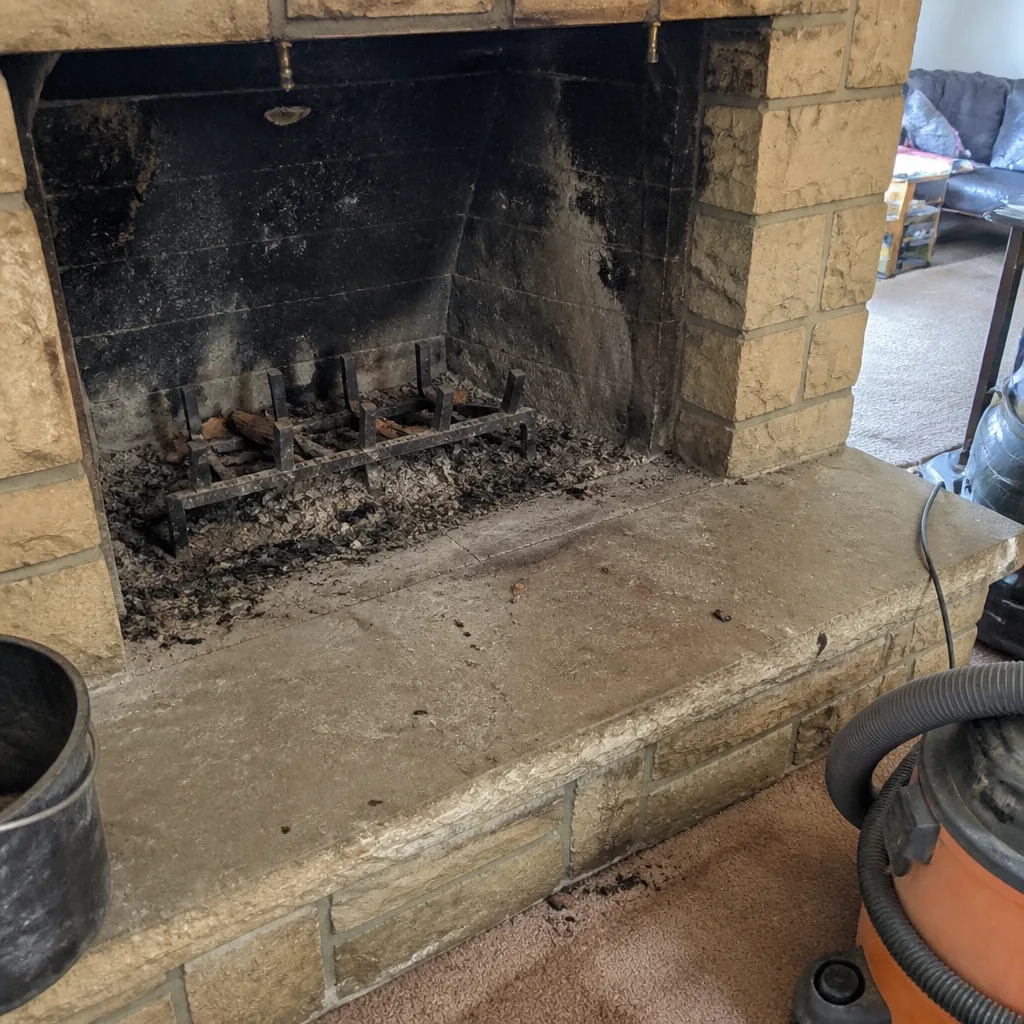
See the difference
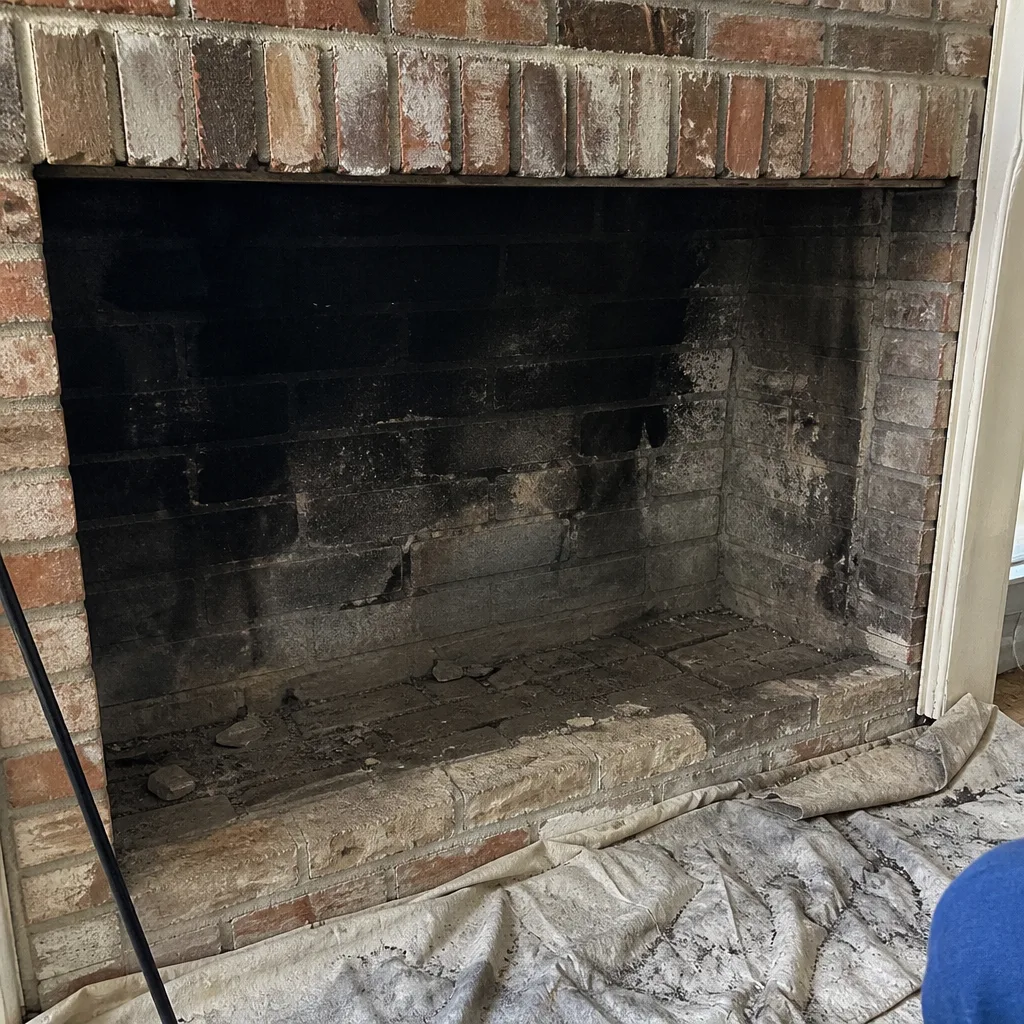 Before
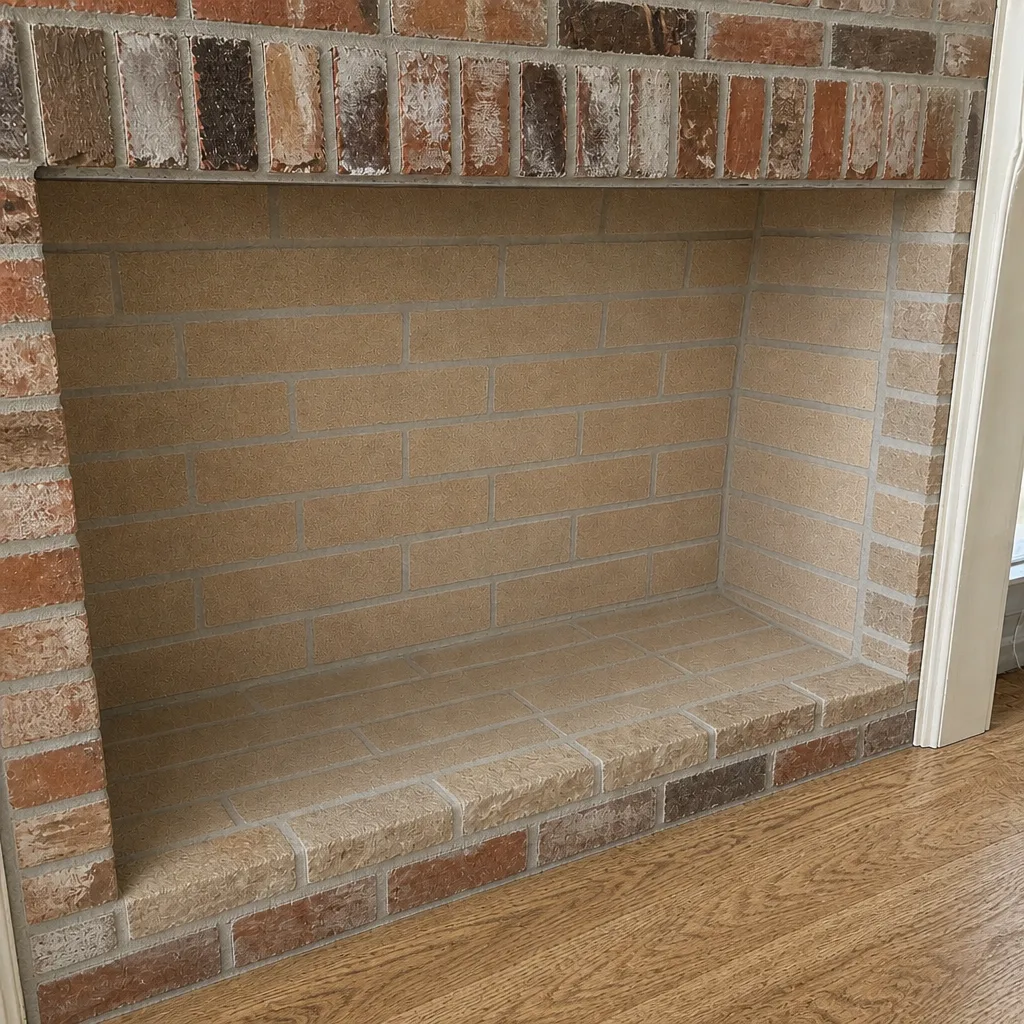 After
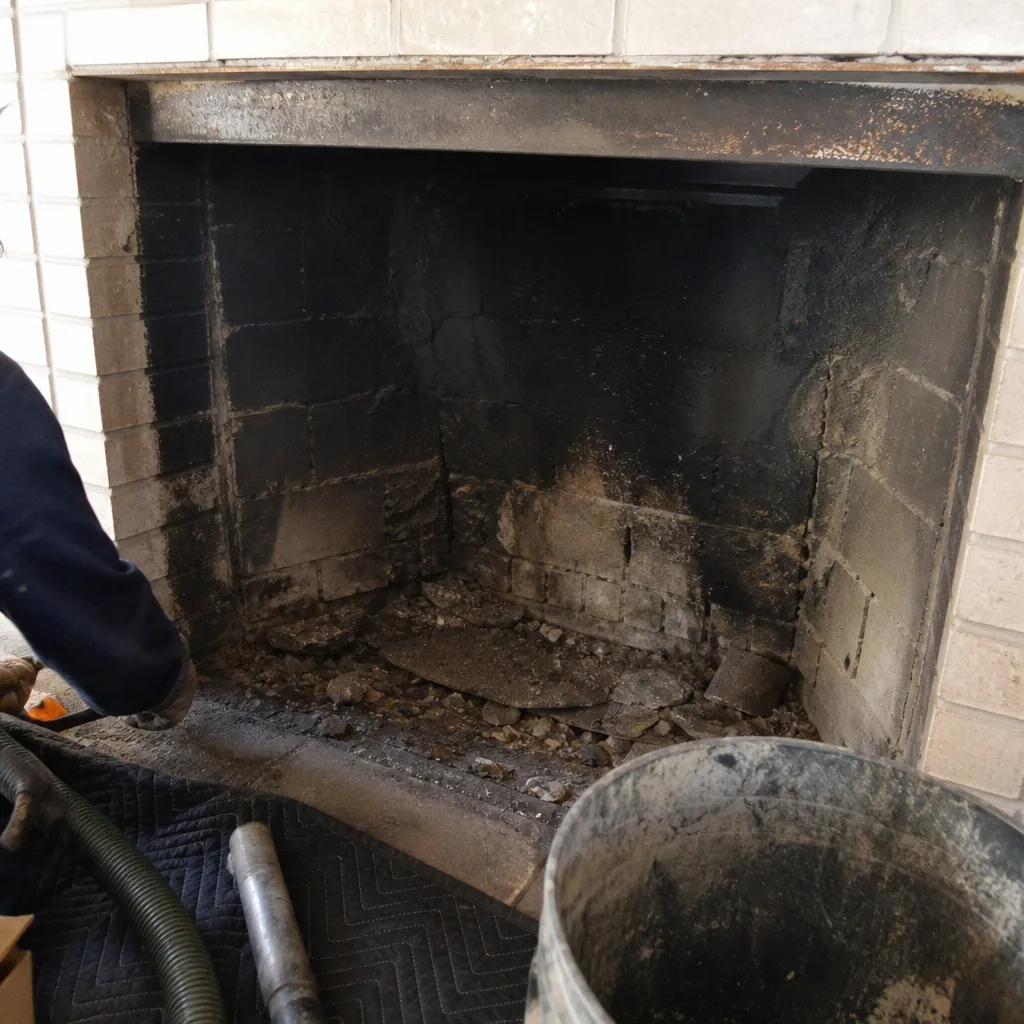 Before
 After
 Before
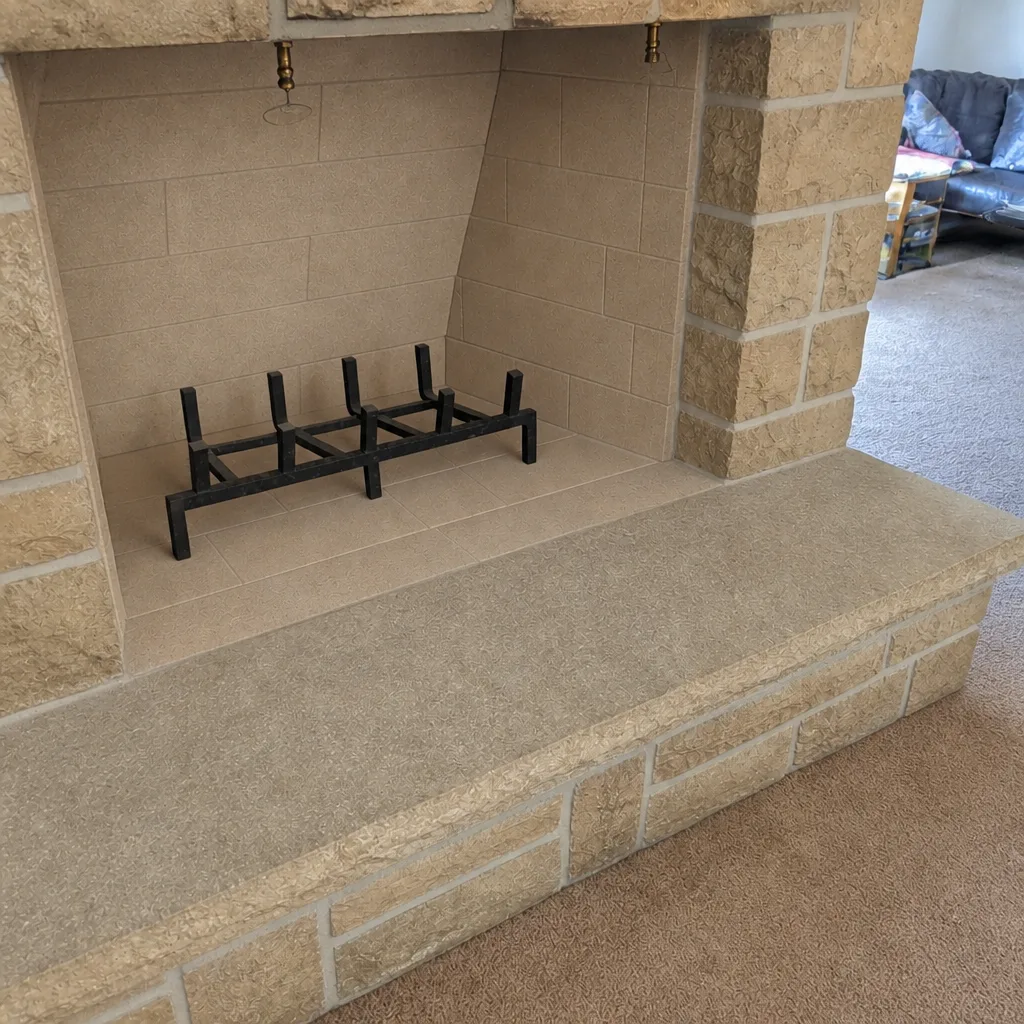 After
When to Call a Professional
Call a professional if your fire smokes into the room after a sweep, if you smell creosote when there’s no fire, if you see water staining on the firebox or the ceiling near the chimney, or if the dryer runs hot or takes more than one cycle. Any of these is a reason to get a camera inspection before you spend more money on cleaning.
The other reason to call is safety. Creosote in the flue is the fuel for a chimney fire, and carbon monoxide from a blocked or damaged flue can back up into the house. Those risks stay invisible until something goes wrong, which is exactly why the annual inspection matters. Call (833) 436-4994. We answer 24/7. Fast dispatch from 7am to 7pm, Sunday through Friday.
Frequently Asked Questions
A typical chimney sweep is priced per job, not per brush stroke, and the written estimate sets the final price. The estimate is free, and it comes with a camera inspection and a photo report. Call (833) 436-4994 for an exact quote.
Only if the camera shows it. A liner that’s cracked, disconnected at a joint, or missing altogether is a real risk, but a flue with sound joints and no damage doesn’t need to be replaced. We show you the footage and let you see the evidence before anyone recommends a reline. If the liner is fine, we say so. Call (833) 436-4994 to schedule the inspection.
Once a year for a working wood-burning fireplace, or any time creosote has built up to a meaningful depth. Heavily used fireplaces or those burning green wood may need more frequent attention. A camera inspection establishes the baseline. Call (833) 436-4994 to book yours.
Creosote continues to accumulate, and once it reaches a certain depth it can ignite. That’s a chimney fire, not a slow burn, and the flue can be damaged in a single event. Beyond creosote, a damaged liner lets carbon monoxide escape into the house instead of up the stack. Skipping isn’t a cost savings so much as a risk you’re carrying. Call (833) 436-4994 to get on the schedule.
Because the problem is pressure, not dirt. Carmel’s tight modern homes create negative pressure that pulls air down the flue, especially when exhaust fans are running. The fix involves draft testing and often a top-sealing damper or flue extension, not another sweep. Call (833) 436-4994 to have the pressure diagnosed.
Often, yes. Cap replacement, liner resurfacing, and obstruction removal can all be handled on the same visit that we diagnose them, because the materials are on hand. Masonry rebuilds and structural chase repairs need a separate appointment. Call (833) 436-4994 for an estimate.
The Bottom Line
Most chimney problems aren’t cleaning problems. Smoke rollout means pressure. Slow draft means sizing or a damaged liner. Odor means reverse flow when the fire is idle. Water staining means a failed cap, crown, or flashing. Reading the symptom correctly is what saves you from paying for the wrong fix twice. A camera inspection takes the guesswork out, shows you the evidence, and lets a technician who can actually repair what they find get to work. At Chimney Sweep Carmel, we diagnose, sweep, and repair in the same visit where the material allows, and we tell you when work can safely wait. Our technicians have up to 15 years of experience. Call (833) 436-4994 for a free estimate.
If you want the fuller picture of what we handle day to day, visit Chimney Sweep Carmel.
Written by the team at Chimney Sweep Carmel.