
Last updated November 14, 2026
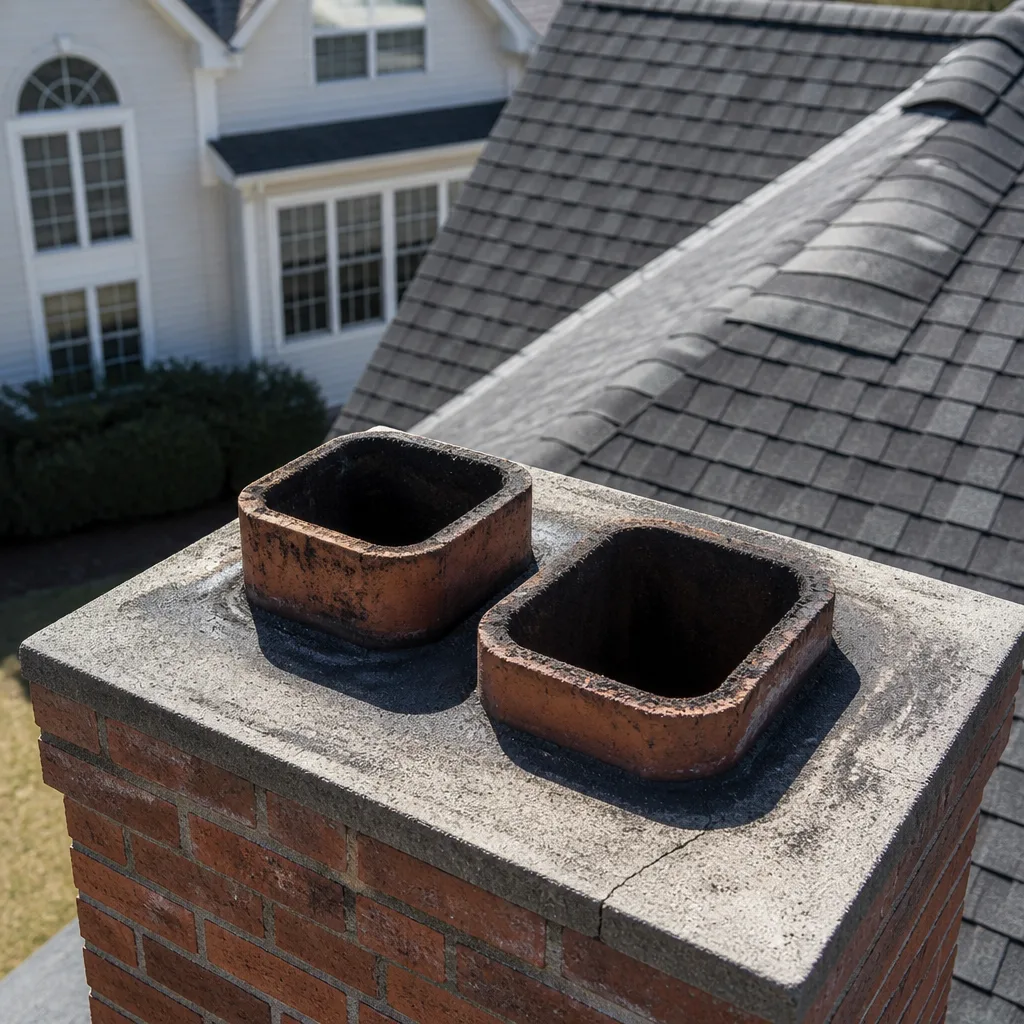 Sweep & inspection
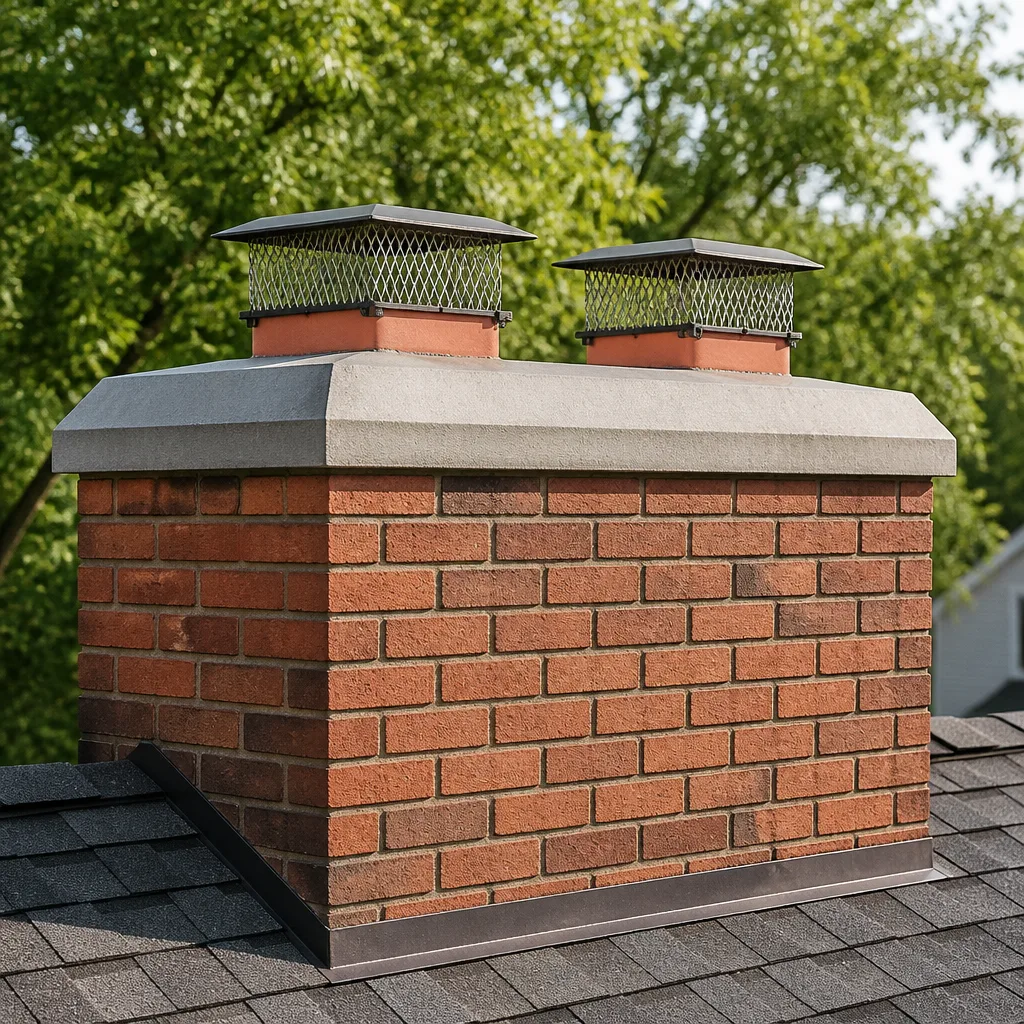 Caps & crowns
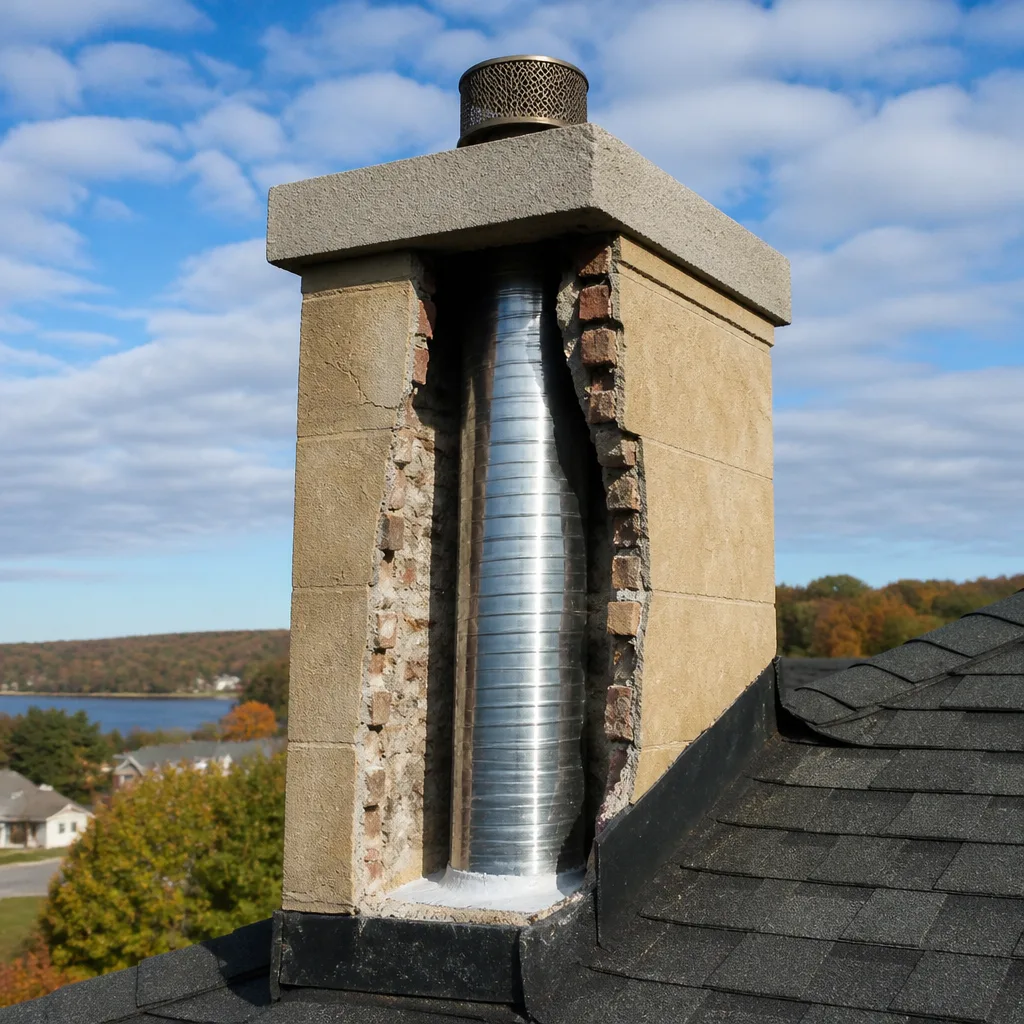 Flue relining
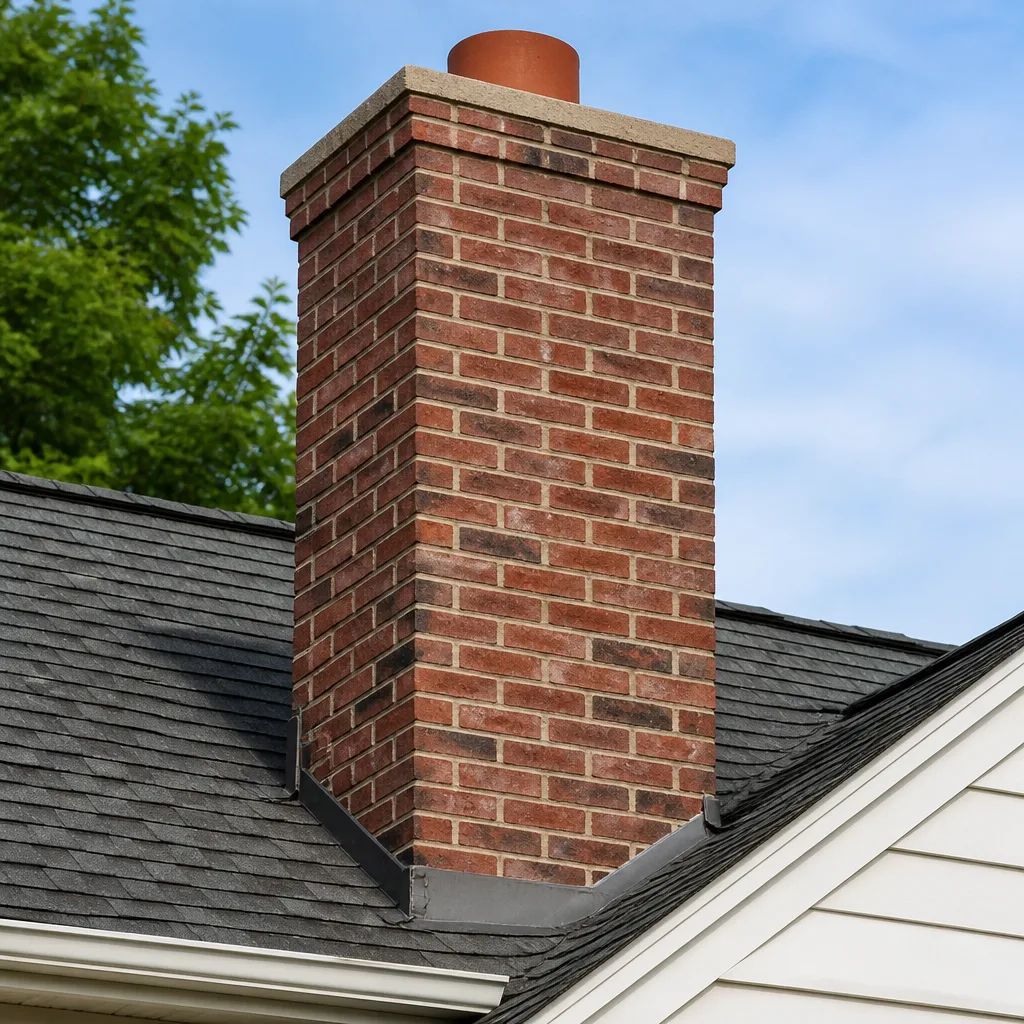 Masonry repair
 Gas fireplace service
Level 1 sweep and inspection to the NFPA 211 annual standard - flue, crown, cap, and flashing checked and photographed
Chimney sweep logs do not sweep chimneys. They loosen some creosote - which then falls where a brush and vacuum still have to collect it.
DIY vs Professional Chimney Cleaning: The Carmel Homeowner’s Decision Guide
DIY chimney brushing removes surface soot just fine. The trouble is that a consumer brush also knocks loose fragments of glazed Stage 2 creosote without telling you they were there – and glazed creosote is exactly the material that feeds a flue fire. Most homeowners who clean their own chimney in Carmel aren’t failing at the physical scrubbing. They’re failing at reading what comes down the flue. This guide separates the parts of chimney care you can honestly do yourself from the parts that need a trained eye, a camera, and the right materials, and it gives you a clear way to decide which side of that line your chimney sits on.
Quick Answer
A confident homeowner can handle a light annual brush-down of a chimney that serves a well-seasoned wood fire and has been professionally inspected recently. Anything beyond that – glazed creosote, a clay flue with cracked or spalling tiles, no liner at all, a gas appliance, or a flue that has never been inspected – belongs with a professional, because the risk isn’t the brushing, it’s missing what the brushing reveals. In Carmel, where chimneys run hard through long heating seasons and then sit through humid summers, that diagnostic step matters more than the scrubbing itself.
Styles & brands we work with
- Sweep & inspection
- Caps & crowns
- Flue relining
- Masonry repair
- Gas fireplace service
Table of Contents
- What DIY chimney cleaning can and can’t accomplish
- Consumer brushes vs professional equipment: what the difference actually is
- The creosote stages and why Stage 2 and Stage 3 change the decision
- Chimney conditions that make DIY genuinely unsafe
- How to do a pre-season visual inspection that helps your technician
- The insurance and liability angle homeowners rarely think about
- A decision tree: when DIY is reasonable and when it isn’t
- Gas inserts, older flues, and why the appliance changes the answer
What DIY chimney cleaning can and can’t accomplish
A consumer-grade chimney brush on flexible rods, used from the top down or the firebox up, will loosen and remove the soft, fluffy Stage 1 creosote that builds up on the flue walls during a normal burning season. If your chimney has been swept professionally within the last year or two and you burn dry, well-seasoned wood, that light surface soot is mostly what you’re dealing with. A careful homeowner with the right brush size and a good work light can knock that down and call it done.
What DIY cannot do is distinguish between soot, Stage 1 creosote, and the harder glazed deposits that form when a fire runs cool or the wood is damp. A brush passes over glazed creosote the same way it passes over a clean flue wall – it just doesn’t come off. Worse, brushing a flue with glazed deposits can break off flakes and distribute them down the smoke chamber and shelf, where they sit as fuel. The homeowner sees a flue that looks brushed and assumes the job is finished. The dangerous material is still there, now in a new location.
Here’s what a consumer setup realistically handles and what it doesn’t:
- Handles: light Stage 1 soot, loose ash in the firebox, a visual check of the flue top and cap from the roof or the ground with binoculars, and general housekeeping around the hearth.
- Doesn’t handle: glazed Stage 2 and Stage 3 creosote, cracked or spalling flue tiles, an unlined flue, an offset or smoke chamber that needs a rotary tool to reach, and any flue serving a gas appliance where the byproducts behave differently than wood smoke.
That gap is the whole argument. The brushing is easy. The reading is not. If you want a benchmark for what a full professional sweep covers on a Carmel chimney, our chimney sweep page lays out the standard scope.
Consumer brushes vs professional equipment: what the difference actually is
The tool gap between a homeowner’s kit and a professional setup is bigger than most people expect, and it explains why a DIY job often looks done while a professional one confirms it is. A homeowner’s brush is designed to survive a few uses and loosen surface soot. Professional equipment is designed to reach, see, and treat conditions a brush alone can’t touch.
What professional crews bring that a homeowner typically doesn’t:
- Rotary cleaning tools that spin against the flue wall to cut through glazed creosote instead of skating over it.
- Chimney cameras that show the inside of the flue – the tile joints, the smoke chamber, the shelf – on a screen you can look at while the technician narrates what’s healthy and what isn’t.
- Chemical creosote treatments that soften Stage 2 and Stage 3 deposits so they can be removed rather than smeared.
- Resurfacing and relining materials for flues that are damaged, which is where the sweep becomes a repair rather than a cleaning. HeatShield resurfacing is one method, and DuraFlex flexible liner systems are another when the flue needs full relining rather than a surface repair.
- Caps and venting components – a Gelco chimney cap or Famco venting parts – so a cap that’s rusted out or a vent connection that’s wrong can be corrected on the same visit rather than booked as a second trip.
A brush and a flashlight can’t tell you whether your flue is sound. A camera and a trained eye can. In our experience, the camera is what turns a “looks fine” into a documented answer you can act on with confidence. When a flue condition calls for a repair, our Chimney Sweep Carmel team is set up to diagnose, clean, and restore in the same visit, because we work with the material lines the job requires rather than handing you a punch list and a referral.
The creosote stages and why Stage 2 and Stage 3 change the decision
Creosote forms in three recognizable stages, and which stage your flue is in is the single biggest factor in whether DIY is safe. Stage 1 is the soft, flaky, soot-like residue that brushes off easily. Stage 2 is harder and can be glossy or crusty, and it does not come off with a standard brush. Stage 3 is the glazed, tar-like material that has been repeatedly heated – it’s dense, it’s fuel, and it’s the material most closely tied to chimney fires.
You can usually tell Stage 1 from Stage 2 with your own eyes if you look carefully up the flue with a strong light, or take a look at the smoke chamber from the firebox. If the surface reads as black and powdery, you’re likely in Stage 1 territory. If it reads as shiny, bubbled, crusty, or like a honeycomb texture, that’s a signal that a brush is not going to solve it – and it’s a signal to stop and get a professional in before you run the fireplace again.
Creosote builds faster in a few situations that matter in Carmel specifically:
- Damp or unseasoned wood. Green or wet wood burns cool and produces more unburned material that lands as creosote. If you’re buying firewood, moisture content is the number to ask about.
- Cool flue operation. Long, slow, smoldering fires – the kind you might keep going on a cold evening – are creosote factories. A hot, active fire burns cleaner.
- An oversized flue for the appliance. If the flue is too big for the stove or insert, exhaust cools before it exits and deposits more creosote on the way up.
- Seasonal shutdowns. Carmel summers are humid, and the shoulder seasons between heating cycles let deposits settle and set. A flue that was marginal in March can be worse by October.
If your flue is glazed, don’t run another fire until it’s been assessed. Call (833) 436-4994. We answer 24/7, and our dispatch runs from 7am to 7pm, Sunday through Friday.
Chimney conditions that make DIY genuinely unsafe
Some chimneys are safe for a careful homeowner to brush; others are genuinely dangerous to work on without training. We’d rather tell you plainly which is which than sell you a sweep you don’t need. The conditions below are the ones where a homeowner on a roof or a ladder is taking on real risk they may not be able to see from outside.
Conditions where we’d tell you to stop and call a professional:
- You can see or suspect glazed Stage 2 or Stage 3 creosote. Brushing distributes it without removing it, and it’s the material that feeds a flue fire. It needs a rotary tool and possibly a chemical treatment, not a hand brush.
- The flue is unlined or the clay tiles are cracked, spalling, or missing. A damaged flue lets heat and gases reach framing. That’s a hazard whether you clean it or not, and a cleaning without a repair doesn’t make it safe.
- There are visible cracks in the smoke chamber, the crown, or the masonry around the flue. These are structure and safety, not surface dust.
- The chimney has never been inspected. If there’s no baseline, you don’t know what you’re cleaning – and you can’t know whether it’s safe to run.
- The appliance is gas. Gas appliances produce their own byproducts and venting requirements, and DIY work on a gas-vented system is a different animal. Leave it to a trained technician.
- You’d be working on a steep roof, a high ladder, or a chimney you can’t reach safely. Roof falls and ladder falls are the leading risk in this trade. A brush and a chimney in the wrong hands is not a small job.
None of that is meant to frighten anyone off chimney maintenance. It’s meant to be honest about what the work involves once you get past the surface soot. If your chimney falls into one of those categories, the next step is a professional assessment, not a hardware store run.
How to do a pre-season visual inspection that helps your technician
You can do something genuinely useful before you call anyone: a pre-season visual inspection that gives a technician a helpful baseline. It doesn’t replace a professional sweep, but it shortens the appointment, sharpens the diagnosis, and gives you a record of what was there before the season started. Done well, it’s the most useful hour a homeowner can spend on their chimney.
Here’s how to do it, safely, from the ground and inside the house:
- From the ground, look at the chimney top with binoculars. Is the cap intact? Is the crown cracked? Does the cap or spark arrestor have debris (a bird’s nest, leaves, a broken flue tile) blocking the opening? Note anything that isn’t the way it was last spring.
- Inside, check the firebox and damper. Look for rust on the damper (a moisture sign), cracks in the firebox brickwork, and any gaps in the mortar joints. Look up into the smoke chamber with a strong light – shiny or crusty buildup is the signal to stop.
- Check the actual draft. With the damper open and no fire, does smoke from a lit match near the firebox pull strongly up and out, or does it drift back into the room? Weak or reversed draft is worth reporting.
- Look at your woodpile. Is the wood split and stacked for a season or more? Is it stored under cover? Damp wood is a direct cause of creosote. Report the moisture level if you know it.
- Note your burning habits and appliance. How often you burn, what you burn, whether it’s wood, gas, or an insert, and when your last professional inspection was. This is the kind of context that turns a routine visit into an efficient one.
Bring that list to your technician. In our experience, a homeowner who arrives with a note about a draft problem, a rusty damper, and a specific firebox crack gives the technician a head start and gets more of the visit out of the sweep. If you’re building that routine into your season and you’re in Carmel, a booked sweep with a camera inspection gives you the other half of the picture you can’t get from the ground.
The insurance and liability angle homeowners rarely think about
A chimney fire that follows a self-cleaning raises a question a lot of homeowners never consider until it’s too late: will the insurer treat the loss the same way? Most homeowner policies cover fire losses, but the claim investigation will look at what maintenance was done and whether the loss was caused by neglect or improper work. Performing your own cleaning doesn’t void your coverage in every case, but it can complicate a claim if the insurer concludes the fire was the predictable result of uncleaned glazed creosote or a known structural problem that wasn’t addressed.
The practical layer on top of that is documentation. A professional sweep gives you a written record – the date of the sweep, the condition of the flue, and the camera evidence of what was found and what was done. That record is what an insurer or an adjuster wants to see. It’s also what you want on hand if you’re ever selling the house and a buyer’s inspector starts asking about chimney maintenance history.
If you do clean your own chimney, document it the same way a professional would:
- Note the date, the tool used, and what came down (amount and description of residue).
- Photograph the firebox, the smoke chamber, and the chimney exterior before and after.
- Keep receipts for any brushes, caps, or venting parts you install.
- Record any condition you noticed that you could not resolve yourself – especially glazed buildup or cracked tile – and get it addressed before you burn again.
That last point is the honest one. If a homeowner documents a Stage 2 condition, ignores it, and a fire results, the paper trail doesn’t help. The reason to document isn’t just the claim; it’s the decision it forces.
A decision tree: when DIY is reasonable and when it isn’t
The cleanest way to answer “should I do this myself” is to walk through it step by step. The three inputs that matter most are appliance type, last professional inspection date, and what you can actually observe in the flue right now. Here’s the decision tree we’d walk a homeowner through.
- Is your appliance wood, gas, or a solid-fuel insert? If it’s gas, stop here: call a professional. Gas venting is not a homeowner maintenance item. If it’s wood or a wood-burning insert, continue.
- Has a professional inspected the flue with a camera within the last year? If no, or you’re not sure, treat this as a “call first” case – a camera baseline is the whole point of the first visit. If yes, continue.
- Does the flue show glazed, shiny, crusty, or honeycomb buildup? If yes, stop: that’s professional territory regardless of how recently you were inspected. If no, continue.
- Are the clay flue tiles intact, the cap intact, and the crown sound? If you can’t see the inside of the flue clearly, or you see or suspect cracks, call. If everything reads intact, continue.
- Can you safely access the flue top or work from the firebox with the right brush size? If the roof is steep or the access is unsafe, call. If you have safe access and the right tools, continue.
- Do you burn dry, seasoned wood and keep the fire active rather than smoldering? If yes, a light brush-down between annual inspections is reasonable for a well-maintained, recently inspected flue. If no, address your burning habits first or let a professional handle it.
The pattern that emerges is simple. DIY is reasonable for the light maintenance of a chimney that’s already been documented as healthy. It isn’t reasonable as a substitute for the inspection itself. If in doubt, the safe answer is to get the baseline first and clean between inspections after that.
Gas inserts, older flues, and why the appliance changes the answer
The same chimney can require very different work depending on what’s burning in it. A wood fireplace and a gas insert vent into similar flue geometry but produce different byproducts, and the cleaning methods, safety checks, and venting materials change with the appliance. That’s why “can I DIY my chimney” has no single answer – it depends on what’s actually connected to it.
What we look at, and what changes the recommendation:
- Wood fireplaces and inserts: creosote is the primary concern, and the stage of buildup governs the tool choice. Solid-fuel chimneys also carry the wood-fire risk profile – a hot flue fire needs a flue that can contain it and vent it safely.
- Gas inserts: the byproducts are different, and venting requirements are specific to the appliance. Cleaning is not a homeowner task. Venting corrections and cap replacements (Gelco caps and Famco venting components are common on these) are often the fix when a gas appliance isn’t drafting right.
- Older flues, especially unlined or partially lined ones: if the flue was built before liners were standard, or the lining is failing, the correct next step is often a reline. A DuraFlex flexible liner system is one standard approach when a flue needs a full liner rather than a surface repair.
- Chimneys that have only ever been cleaned, never assessed: these are where the diagnostic gap is widest. A camera inspection on a chimney like that frequently finds something a brush alone would have missed.
Beyond the chimney itself, we treat residential venting as a system. Your dryer vent is a venting system too, and it carries the same fire-safety logic as the chimney: lint accumulates, airflow drops, and a dryer that takes multiple cycles to dry a load is telling you the vent is clogged. Our dryer vent cleaning service exists because that failure mode is just as preventable as a creosote fire and just as easy to miss. Bringing the same attention to both vents is part of what makes a single visit worthwhile.
Common Mistakes to Avoid
- Brushing glazed creosote as if it were soot. A brush passes over glazed Stage 2 deposits without removing them and can break them loose into the smoke chamber. If the buildup looks shiny or crusty, stop and call.
- Cleaning without ever having had a camera inspection. You can’t interpret what you’re seeing inside the flue until you know what a healthy flue for your appliance looks like. Get the baseline first, then maintain.
- Buying a brush that’s the wrong size for the flue. An oversized brush is hard on tile and can crack it; an undersized one skips the wall entirely. A professional measures the flue before choosing the brush.
- Skipping the cap and crown inspection. A rusted-out cap or cracked crown lets water in, and water damage in a Carmel summer is a bigger repair than a cap replacement on the same visit would have been.
- Burning green wood or “seasoned” wood that isn’t actually dry. If the wood is hissing or smoking heavily, it’s adding to your creosote, not your heat. Dry, split, covered wood is the single biggest lever a homeowner controls.
- Forgetting the dryer vent. A dryer that takes two cycles to dry a load is a venting problem, not an appliance problem. It’s a fire risk and it’s separate from the chimney.
- Assuming a clean flue means a safe flue. A flue can look clean and still have cracked tiles, a failed crown, or an improper connection. Cleaning and assessing are two different tasks and both matter.
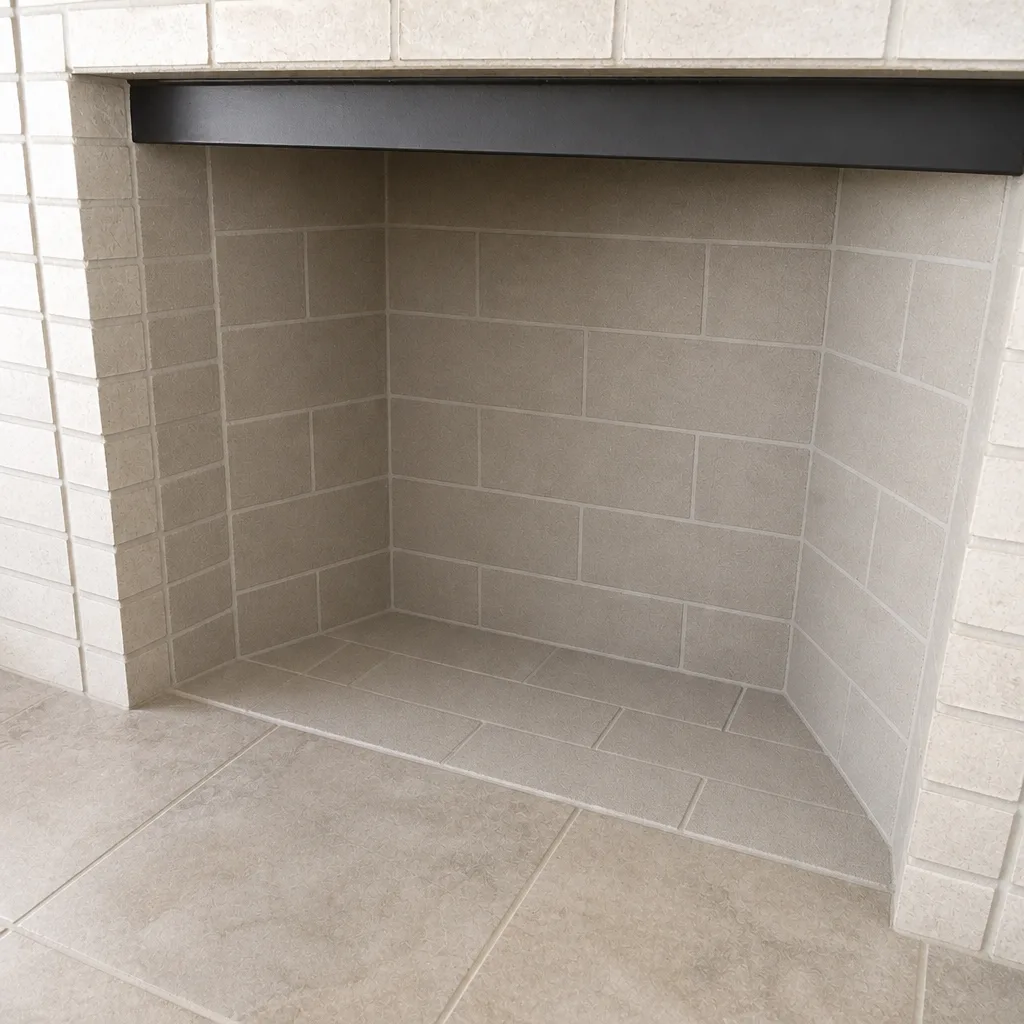
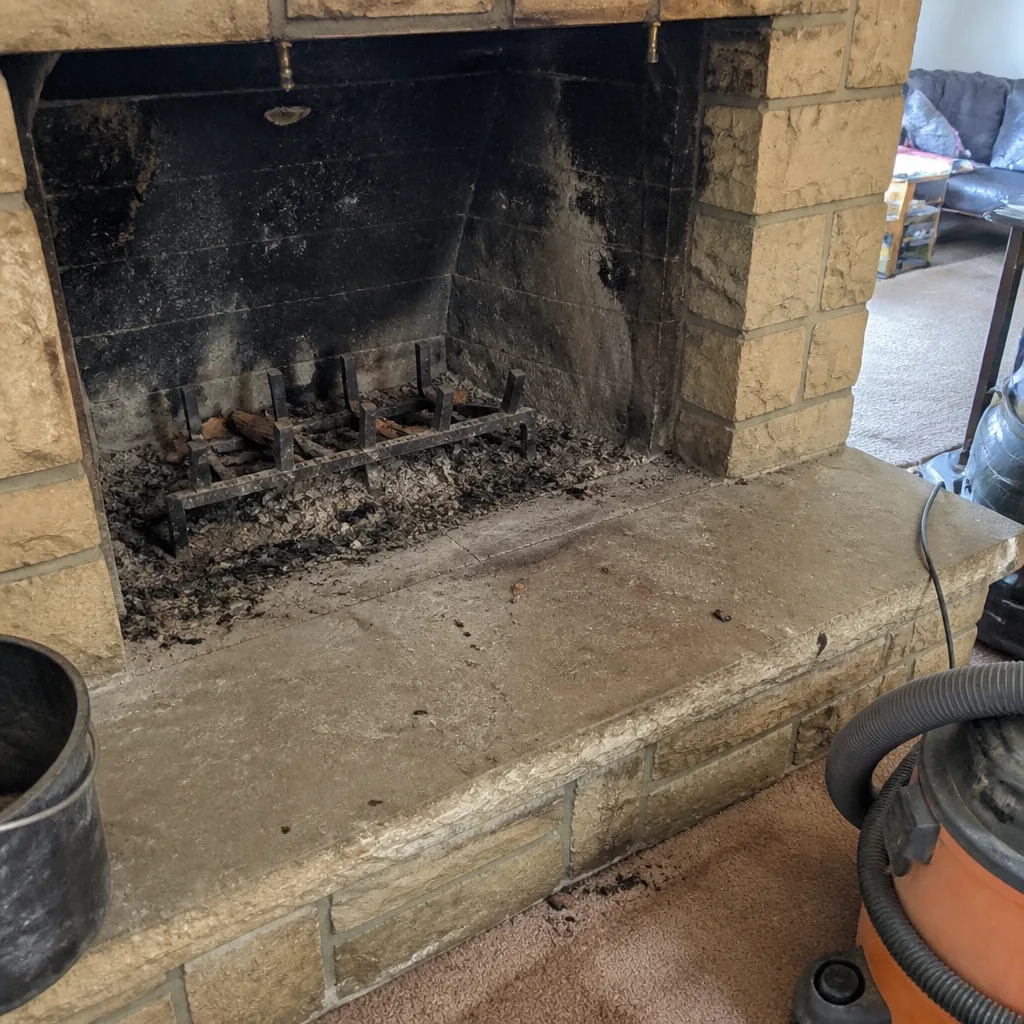
See the difference
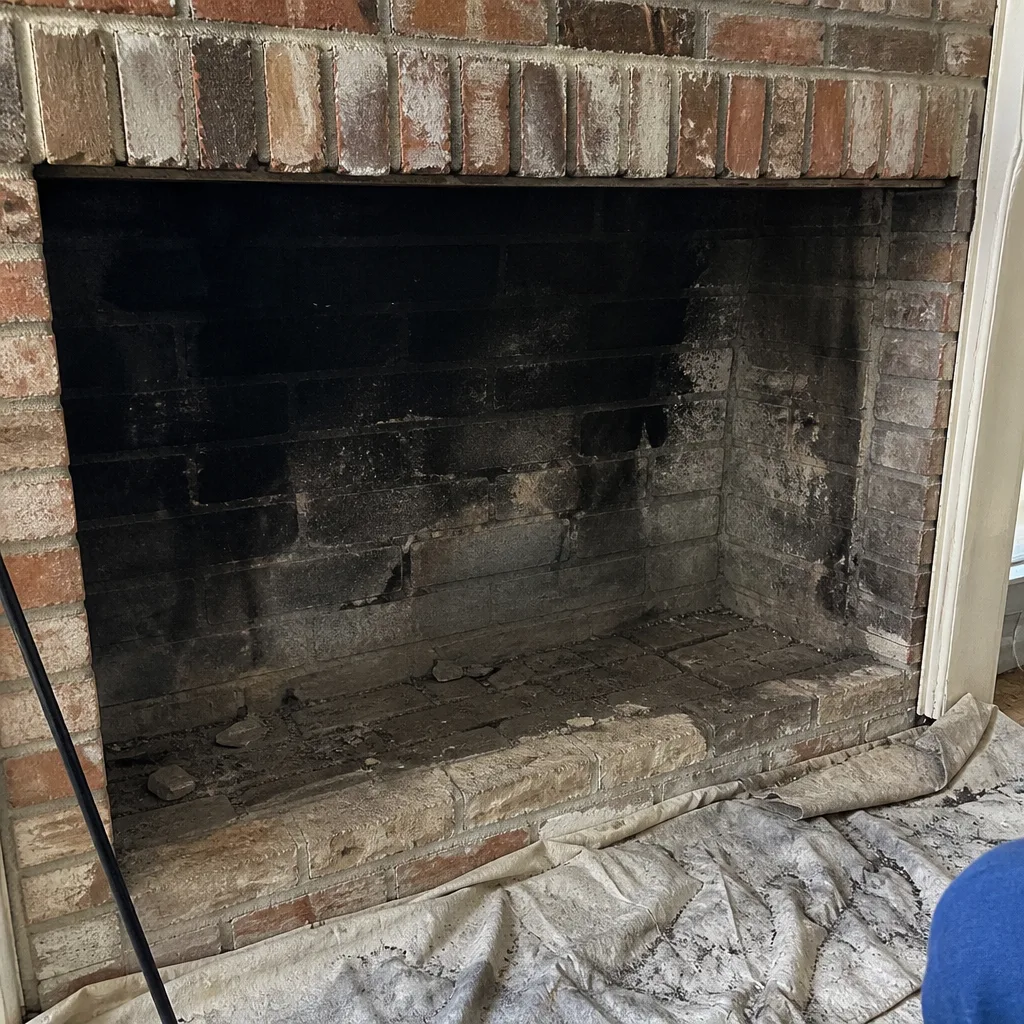 Before
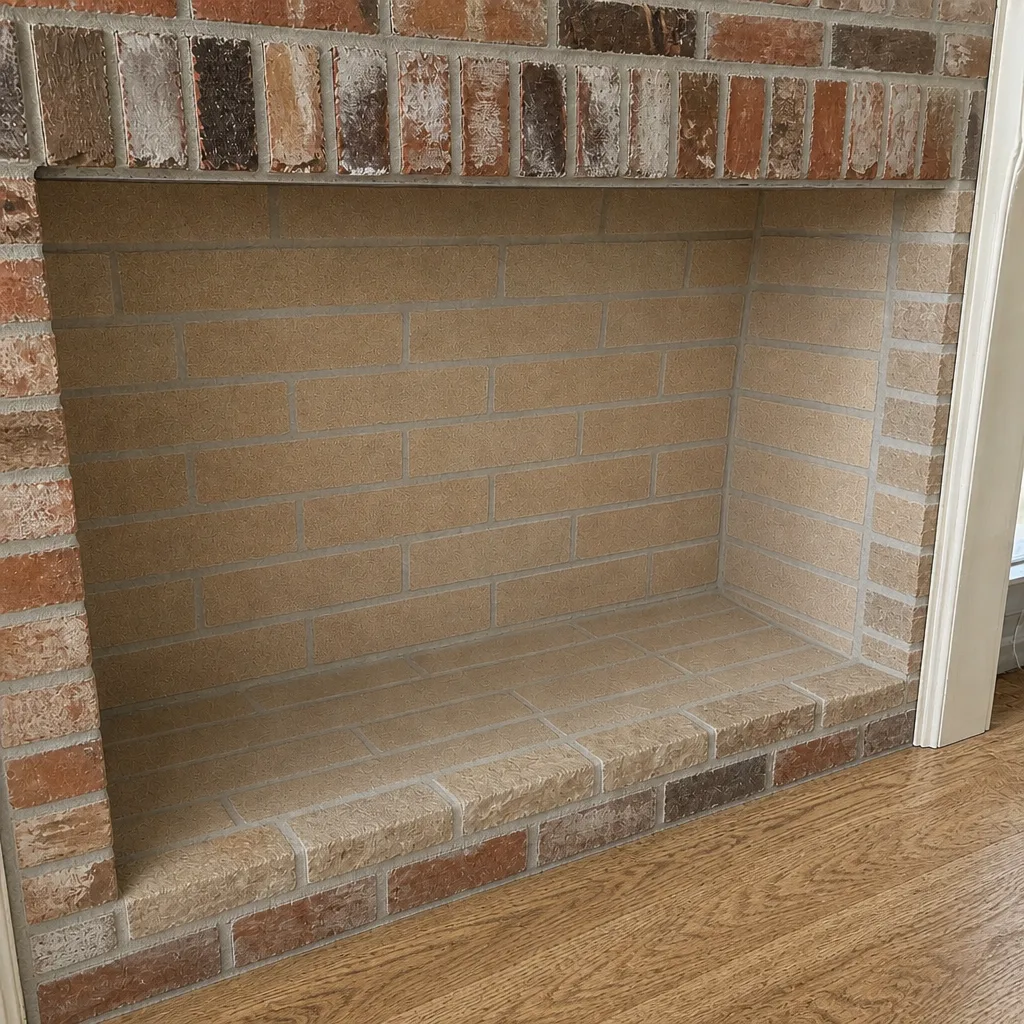 After
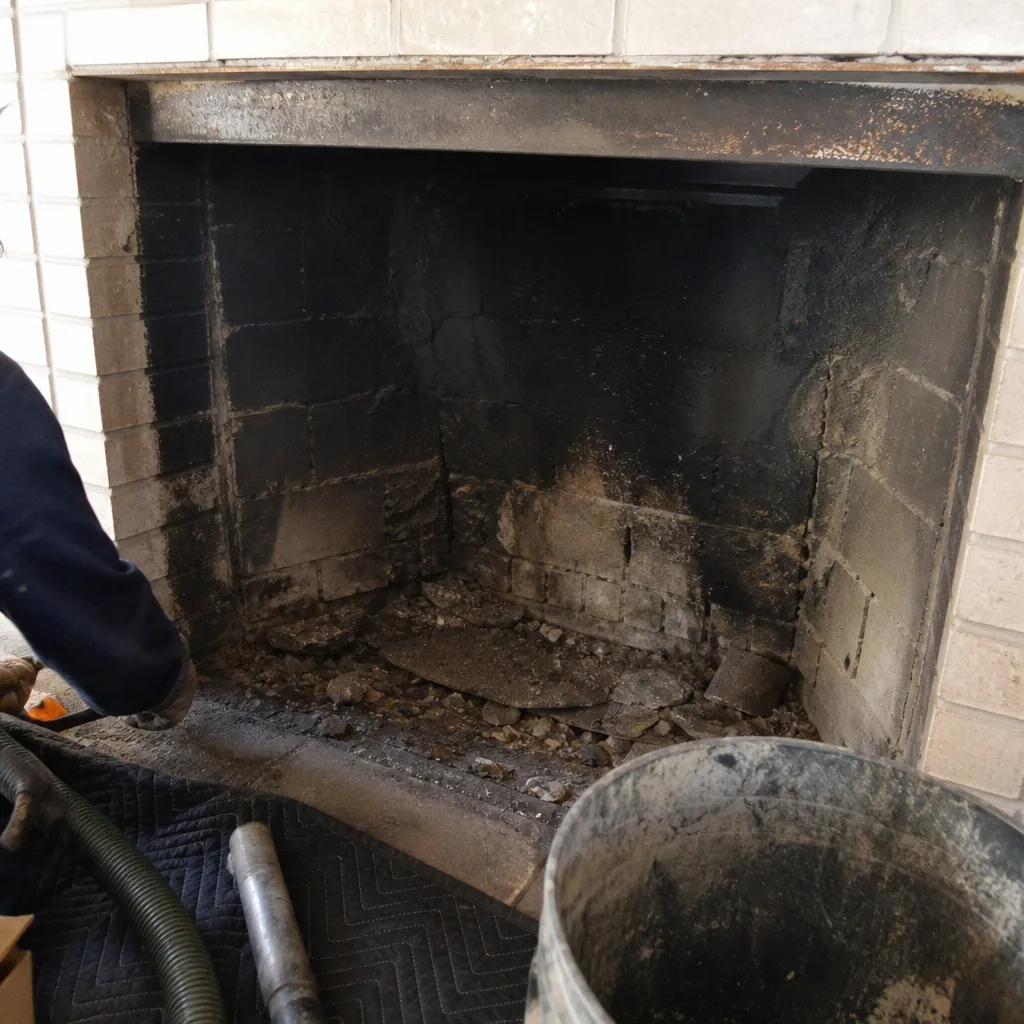 Before
 After
 Before
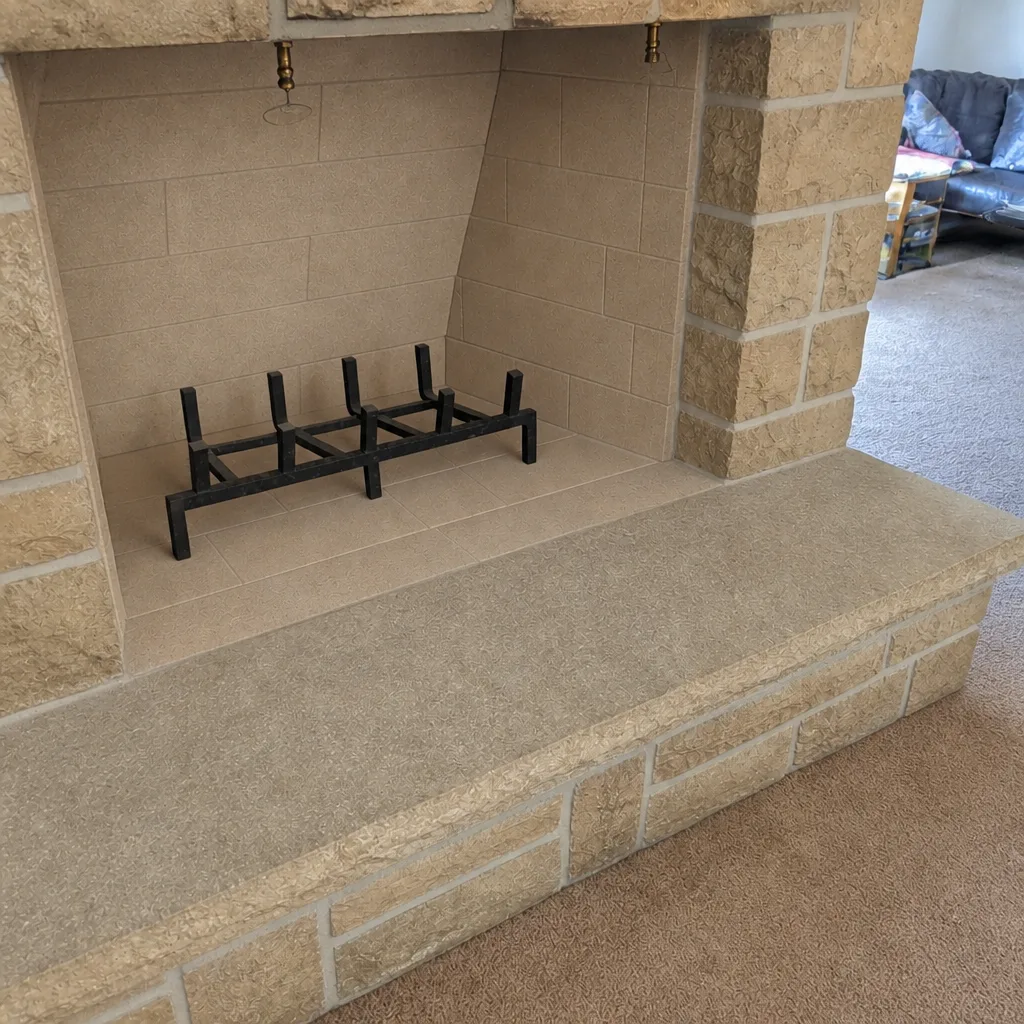 After
When to Call a Professional
Call a professional if your flue shows glazed or crusty buildup, if the flue is unlined or the clay tiles are cracked or spalling, if the chimney has never been camera-inspected, if it serves a gas appliance, or if you can’t safely reach the flue to clean it yourself. Call if you’re seeing weak draft, smoke backing into the room, or signs of water intrusion around the crown. And call if you want the documented baseline that makes future DIY maintenance a reasonable choice. Chimney Sweep Carmel offers free estimates in Carmel – call (833) 436-4994. We answer 24/7, and fast dispatch runs from 7am to 7pm, Sunday through Friday. Every estimate is set per job by a written quote, so you know exactly what you’re getting before anything else happens.
Frequently Asked Questions
The cost depends on what the sweep finds and how much cleaning the flue needs, and we set it per job by a written estimate after the inspection. A light maintenance sweep on a well-kept wood flue is the starting point, and if a repair or reline is needed, the estimate covers the specific materials for your flue condition. Call (833) 436-4994 for an exact quote – estimates are free.
Yes, if your chimney serves a wood fireplace, has been professionally inspected with a camera within the last year or two, shows only soft Stage 1 soot, and you have safe access to the flue with the right brush size. It isn’t safe if you see glazed creosote, cracked tiles, an unlined flue, or a gas appliance. The decision tree above walks through the cases; when in doubt, get the professional baseline first.
Yes – a clean-looking flue can still have cracked tiles, a failed crown, a bad connection, or glazed creosote the brush skates over. The camera is what lets a technician see the tile joints and the smoke chamber, and it gives you a picture you can look at yourself, so the recommendation is based on evidence rather than a punch list. Call (833) 436-4994 to book an inspection with a free estimate.
For most households burning wood regularly through the heating season, an annual sweep and inspection is the standard recommendation. Homes that burn heavily, burn damp wood, or run a smoldering fire often need it sooner. Because Carmel summers are humid and deposit buildup hardens between seasons, the fall shoulder is a sensible time to get the flue swept before the burning season starts.
Creosote builds up and hardens, and the stage goes from soft soot to glazed material that feeds a flue fire. A restricted or blocked flue can also back smoke and carbon monoxide into the house instead of venting it out. Skipping the sweep doesn’t save money in the long run – it tends to turn a light sweep into a more involved repair.
We repair what we find. Chimney repair is a core part of what we do, not a referral, and we work with HeatShield resurfacing, DuraFlex liner systems, Gelco caps, and Famco venting components so most repairs can be handled with the right material for your flue condition. Call (833) 436-4994 to book a sweep and find out what your chimney actually needs.
The Bottom Line
The DIY vs professional question isn’t really about whether you can push a brush up a flue. You probably can. The question is whether you can read what’s inside while you do it, and that’s the gap that produces most of the risk in homeowner chimney work. DIY is reasonable for light maintenance on a flue that’s already been documented as healthy by a camera inspection. It isn’t reasonable as a substitute for that inspection, and it isn’t reasonable at all once glazed creosote, damaged tile, an unlined flue, or a gas appliance are in the picture. Get the baseline, maintain between inspections, and call when anything looks off. In Carmel, that routine is the difference between a sweep that keeps you warm and a flue that surprises you. Call (833) 436-4994 for a free estimate – estimates are free, the price is set per job by the written quote, and we can repair what we find on the same visit.
Written by the team at Chimney Sweep Carmel.