
Last updated November 14, 2026
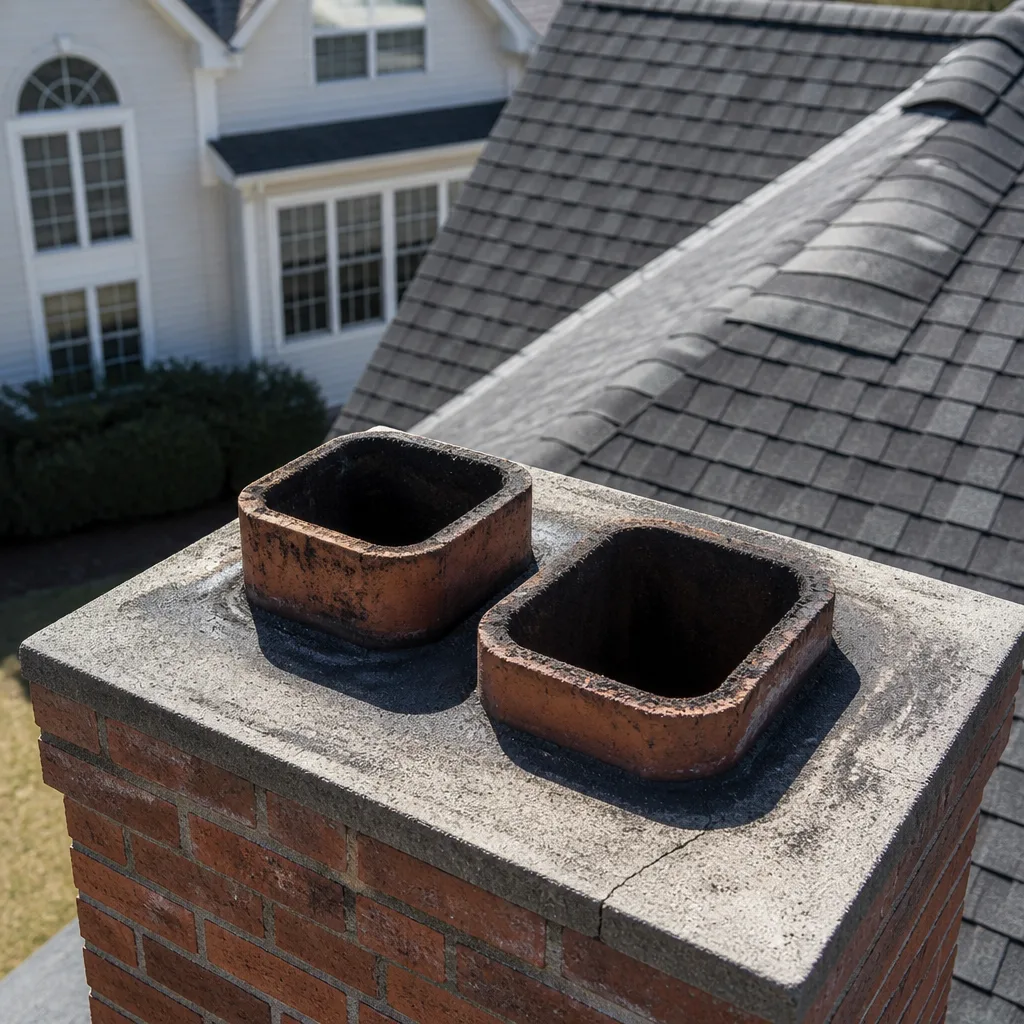 Sweep & inspection
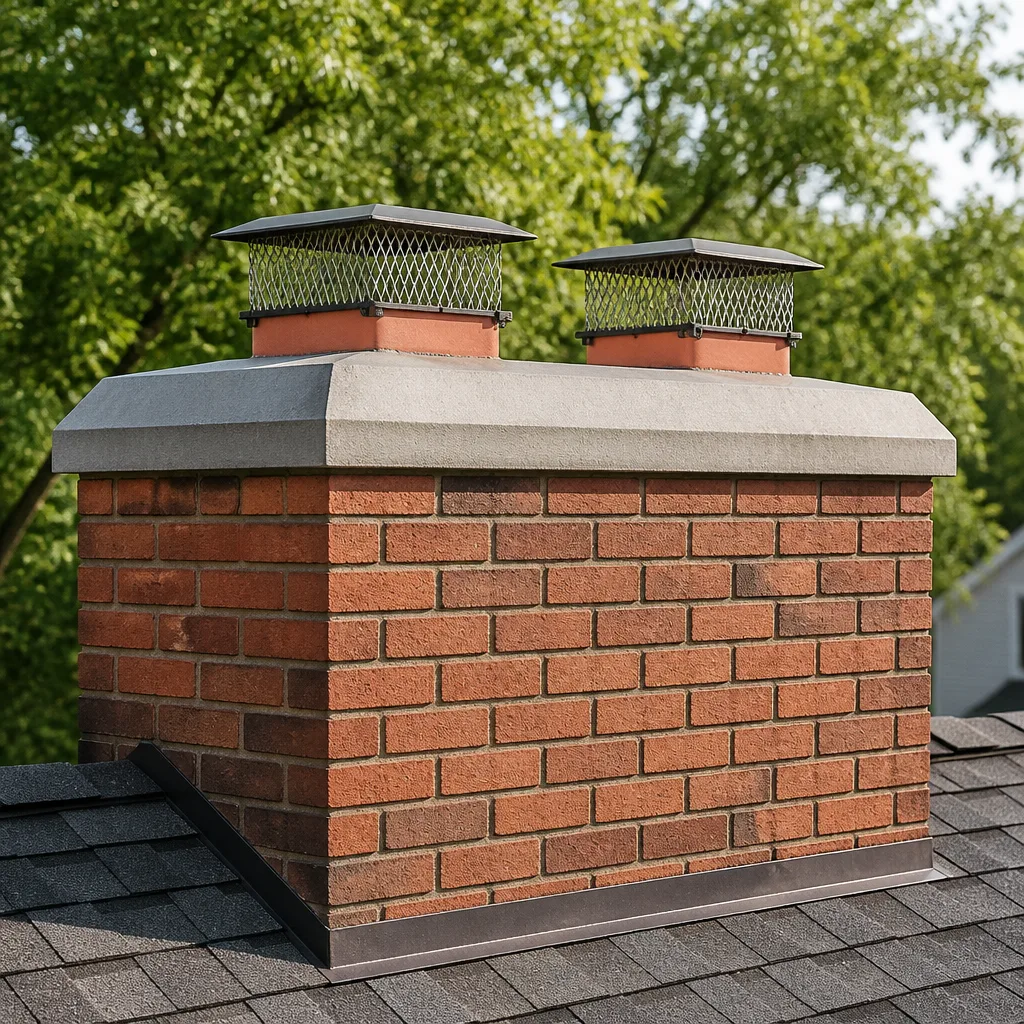 Caps & crowns
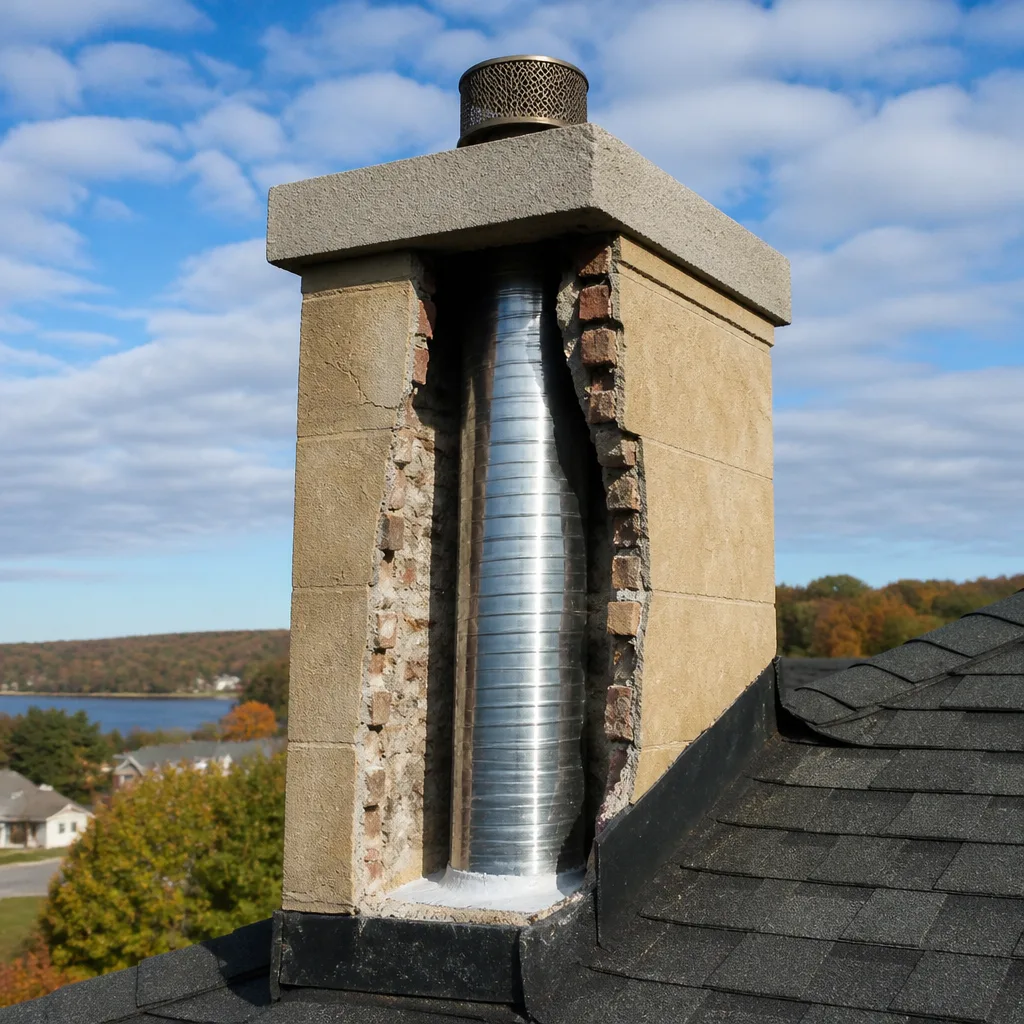 Flue relining
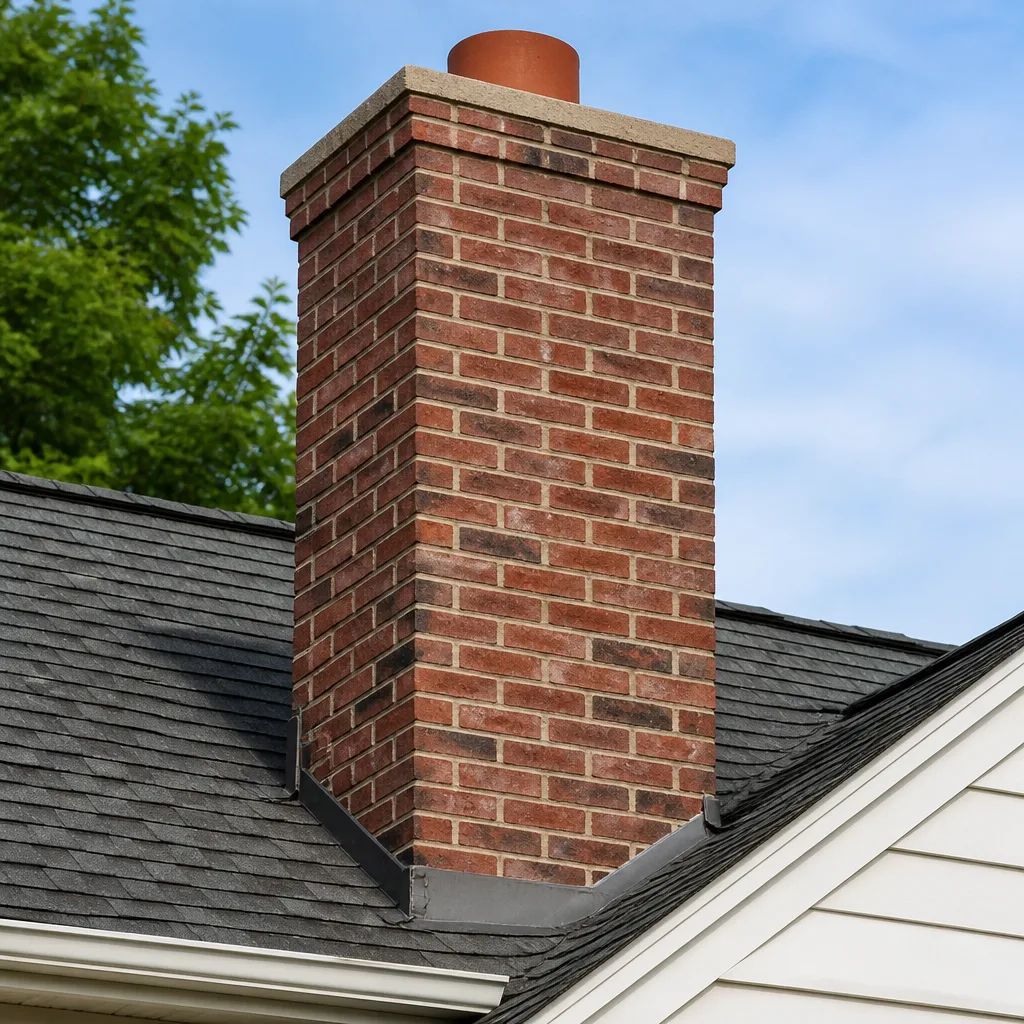 Masonry repair
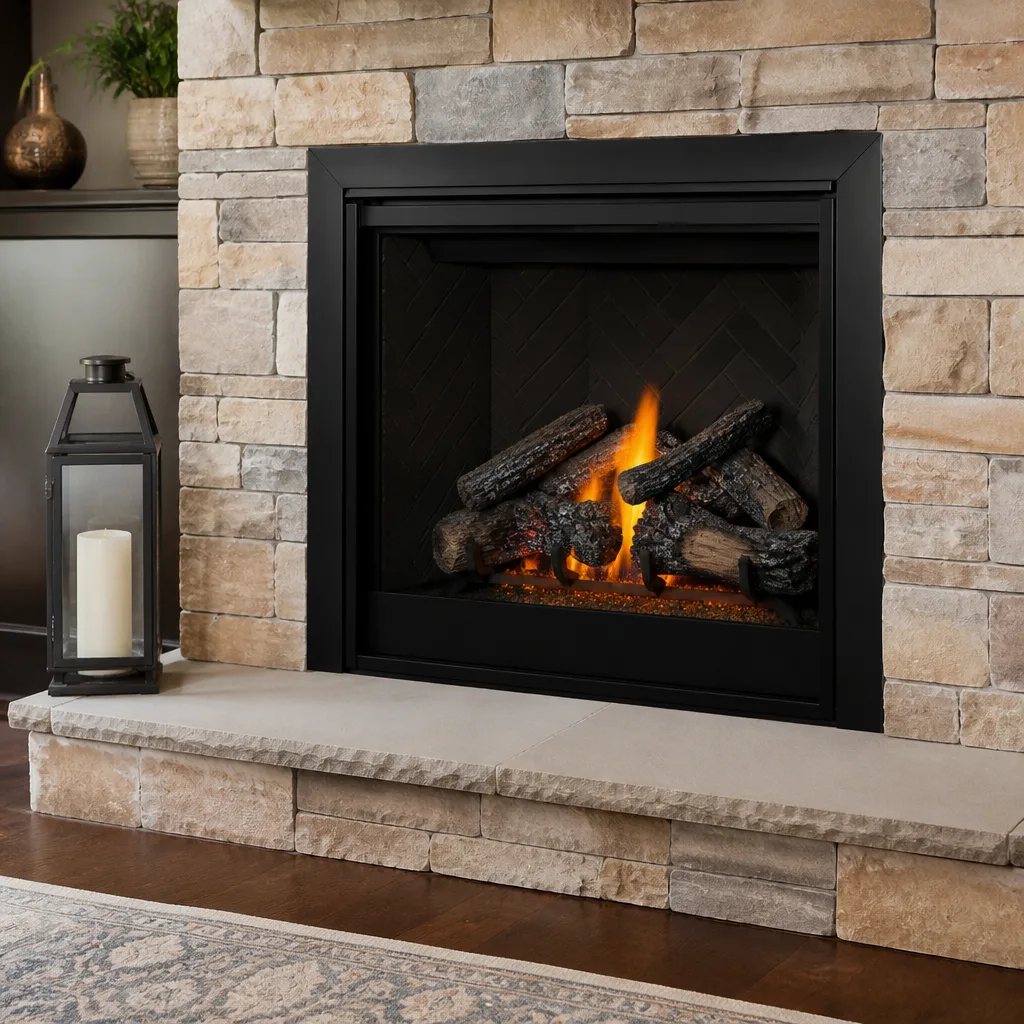 Gas fireplace service
Level 1 sweep and inspection to the NFPA 211 annual standard - flue, crown, cap, and flashing checked and photographed
Chimney sweep logs do not sweep chimneys. They loosen some creosote - which then falls where a brush and vacuum still have to collect it.
How to Hire a Chimney Cleaning Contractor in Carmel: A Step-by-Step Guide
The cheapest quote you’ll find in Carmel is almost always from someone who will clean the flue, hand you a list of upsells, and leave. That isn’t a cleaning service. It’s a sales visit with a brush attached. Hiring well in Carmel means something more specific than finding a low price: it means finding a technician who can tell you what condition your venting system is actually in, show you the evidence, and fix what’s broken without sending you off to book a second contractor. This guide walks through the questions to ask, the reports to read, the red flags to watch for, and how to verify repair capability before anyone walks through your door.
Quick Answer
To hire a chimney cleaning contractor in Carmel, ask five questions before booking: what the technician inspects and documents, whether a written photo report comes with the sweep, what repair materials and methods the contractor works with on-site, how the price is set, and whether the company can complete repairs during the same visit. A qualified contractor answers all five in specifics, not reassurances. Certification is the floor, not the ceiling – a certified sweep who only cleans will still hand you a repair list and drive away.
Styles & brands we work with
- Sweep & inspection
- Caps & crowns
- Flue relining
- Masonry repair
- Gas fireplace service
Table of Contents
- What You’re Actually Hiring For (It Isn’t Just a Brush)
- The Five Questions to Ask Before You Schedule
- What CSIA Certification Covers – and What It Doesn’t
- How to Read a Chimney Inspection Report Without Being Sold
- Red Flags Specific to Carmel Chimney Contractors
- Why Same-Day Repair Capability Matters – and How to Verify It
- Your Dryer Vent Is a Venting System Too
- Carmel’s Burning Season and When to Book
What You’re Actually Hiring For (It Isn’t Just a Brush)
A chimney sweep removes creosote from a flue. A chimney contractor evaluates the whole venting system, documents what they find, and can restore what needs restoring. In Carmel, those are two different services and often two different companies. The distinction matters most in the moment after the brush comes down – that’s when a diagnostic technician tells you what they saw and what it means, and a basic sweep crew hands you a handwritten list and leaves.
Here’s what a thorough evaluation actually includes when you book a chimney sweep in Carmel:
- Flue interior: creosote thickness and type, glaze, cracks, gaps at joints, offset tile alignment
- Liner condition: clay tile flaking, mortar joint erosion, missing sections on older unlined flues
- Firebox and damper: masonry cracking, damper operation and seal, smoke shelf condition
- Cap and crown: rust penetration, cracking, proper clearance, animal and water intrusion
- Appliance connection: stovepipe fit for wood inserts, vent connection for gas units, correct sizing
- Venting path: proper draft, obstruction, chimney height relative to roofline
That list is roughly the scope of a Level 2 inspection, which is the standard appropriate for most Carmel homes with a working fireplace. The point is that the sweep is the entry point to information – not the end of the transaction. If the company you hire can’t tell you the state of each item above after the sweep, you didn’t buy a chimney service. You bought a cleaning.
Older homes in Carmel – and there are plenty of them, from Craftsman-era houses near the Arts & Design District to 1970s builds in established subdivisions – often have unlined or partially deteriorated clay flues. Those aren’t a reason to panic, but they are a reason to want a technician who can recognize them and explain the options in plain terms. That’s the level of contractor worth hiring.
The Five Questions to Ask Before You Schedule
Before you book any chimney contractor in Carmel, ask these five questions. The answers separate a diagnostic technician from a basic sweep crew faster than any certification badge, and one of them in particular will tell you immediately what tier of contractor you’re talking to.
- What does the sweep include beyond cleaning? Look for a Level 2 inspection – flue, liner, firebox, damper, cap, crown, and appliance connection. “We clean the flue and check for problems” is not an answer; it’s a hedge. Ask them to name the components they inspect and document.
- Do I get a written report with photos? A real contractor documents what they find with photographs you can look at yourself. If the answer is a verbal explanation and a price, you have no way to verify the findings, and no way to compare a second opinion.
- What repair materials and liner systems do you work with? This is the question that reveals capability level instantly. A basic sweep crew will name a brush and a vacuum. A full-service contractor will name specific industry-grade product lines – DuraFlex flexible liner systems for relining, HeatShield for resurfacing deteriorated flue liners, Copperfield or Famco components for venting and cap work – because those are the materials sitting on their bench. If the answer is vague, they don’t stock or work with repair materials.
- How is the price set? A flat price agreed before the appointment starts is a professional standard. Hourly billing with a “we’ll see what we find” caveat is a way to inflate a bill. Get the number in writing before anyone arrives.
- Can you complete repairs on the same visit? And if not, who does the repair work? Many sweep companies are cleaning-only and refer all repair work to a separate contractor. That means you pay for the inspection, get the findings, then start over with a second company – which is often booked weeks out during Carmel’s busy fall.
Those five questions take five minutes to ask on the phone. They’ll save you from most of the wasted appointments and inflated quotes in the local market. And they establish the right dynamic from the start: you’re interviewing them, not the other way around.
What CSIA Certification Covers – and What It Doesn’t
CSIA certification is the baseline credential in the chimney industry, and it’s worth asking about. It means the technician passed a written exam on chimney and venting fundamentals, met a documented experience requirement, and is bound to a code of ethics. None of those things are trivial, and a certified technician is generally more reliable than an uncertified one.
But certification is a floor, not a ceiling, and hiring on certification alone is a mistake. Here’s what it doesn’t tell you:
- What the technician inspects on a routine sweep. CSIA certification doesn’t compel a Level 2 inspection on every visit. A certified sweep can still do a quick clean and hand you a list.
- Their repair capabilities. Certification covers sweeping and inspection fundamentals. It doesn’t certify a technician to install liners, resurface flues, or specify HeatShield applications. Those are separate skills gained on the job and through manufacturer training.
- Their material inventory. A certified sweep who works only with brushes and vacuums isn’t equipped to repair anything, regardless of the badge.
- Their documentation habits. Certification doesn’t require photo reports on every inspection. Ask about documentation specifically.
- Their insurance status. Ask directly. Certification doesn’t guarantee the contractor carries liability coverage or workers’ compensation for anyone on the job.
The right question isn’t “are you certified?” It’s “are you certified, what does your inspection include, what repair materials do you work with, and can you complete a repair on the same visit?” Chimney Sweep Carmel’s technicians have up to 15 years of experience, and we work with a fixed set of repair-grade materials so we can answer all four questions in specifics when someone calls. When you’re vetting a contractor, apply the same test.
If you want a second credential check beyond CSIA, look for manufacturer certification on specific repair systems – HeatShield application training, for example, is a distinct skill that most basic sweep crews don’t have. That tells you the contractor can actually resurface a deteriorated liner rather than just clean around it.
How to Read a Chimney Inspection Report Without Being Sold
A good inspection report tells you what the technician found, where they found it, and what it means for your chimney’s safety. A bad one – or a missing one – is the main way homeowners in Carmel end up paying for repairs they didn’t need. The difference between an honest finding and an inflated recommendation is almost always visible in the report, if you know what to look for.
A written report should include all of these:
- Photos of what was found. Not stock images, not diagrams. Actual photographs of your flue, firebox, cap, and damper from the inspection.
- Named components with described conditions. “Flue tile at the third joint has a hairline crack visible in photo 4” is a real finding. “Your liner needs replacing” without location or evidence is a sales pitch.
- Severity ranking. Honest reports separate immediate safety issues from maintenance items from things that can wait until next season. If everything is presented as urgent, nothing is.
- Named remediation methods. “HeatShield resurfacing” is specific. “Liner repair” is not. A real report describes the method, not just the outcome.
- A cost estimate tied to the finding. Each recommended repair should map to a specific photo and a specific price.
The red flag to watch for is a report where the recommended repairs are significantly larger than the visible evidence supports. A small crack in one tile joint doesn’t automatically mean a full reline. A little rust on the cap isn’t always a cap replacement. The honest recommendation is proportionate to what’s actually there – and a professional will tell you plainly when a repair can safely wait.
If you can’t see the photo or follow the logic from finding to recommendation, ask the technician to walk you through it. A contractor who knows their work can explain exactly why a repair is suggested, what method is appropriate, and what happens if you defer it. If the answer is a shrug or a circular justification, get a second opinion. The best contractors in Carmel would rather lose a job than sell you a repair you don’t need.
Red Flags Specific to Carmel Chimney Contractors
The local market has some reliable operators and some less reliable ones, and the difference often shows up before the technician arrives. Here are the warning signs we see most often when homeowners describe their previous experiences.
- Vague scope of work. “We’ll clean and inspect the chimney” without specifying which components or what level of inspection covers almost nothing. Ask for the list.
- No written report. A contractor who inspects but hands you a verbal summary has left you with no documentation, no baseline for next year’s inspection, and no evidence to take to a second opinion.
- No photo documentation. In 2026, any legitimate chimney inspection produces photos. If the technician can’t show you what they found, the finding is unverifiable.
- Cash-only pricing. Legitimate contractors take checks, cards, and invoices. Cash-only pricing usually means the transaction leaves no paper trail, which matters if you need recourse after a poor job.
- Pressure to bundle repairs on the spot. A legitimate recommendation explains the finding and lets you decide. A pressure pitch usually means the repair lineup is inflated or the finding is fabricated.
- No answer to the material question. If you ask what liner systems or resurfacing products they work with and the answer is a brush and a vacuum, they cannot repair what they find. That’s not a failure, but it’s information you need before you book.
One more: contractors who quote a price over the phone without asking about your chimney at all. Sweep pricing genuinely varies by flue configuration, number of flues, and accessibility. A price quoted blind is a guess, and it’ll get revised upward once the technician is on site. A flat price agreed after a few questions about your setup is the standard worth holding out for.
Why Same-Day Repair Capability Matters – and How to Verify It
Same-day repair matters because the window between “inspection” and “burning season” is short in Carmel. If your sweep finds a cracked flue tile in October and the sweeper can’t repair it, your options are: call another contractor who can, wait for their next available appointment, and hope the weather and your schedule cooperate. Many homeowners skip the repair entirely and burn anyway. That’s the risk.
Here’s how to verify same-day repair capability before the technician shows up:
- Ask what repair materials they carry to the job. Liner systems, resurfacing compounds, cap stock, stovepipe components, damper hardware. If they can’t name specific products, they’re not stocking them for the visit.
- Ask if they’ll install a liner during a routine sweep visit when the inspection supports it. Some repairs require a separate scheduling window for curing or fit, and that’s fine – but the answer tells you what their workflow actually is.
- Ask what equipment comes to the job. Camera inspection equipment, resurfacing application tools, mechanical liner pullers, cap fabrication tools – these are the things that make same-visit repair possible. Basic sweep vans carry brushes and vacuums.
- Ask for a written quote during the visit. A contractor who can quote you in writing and complete the work the same day is set up to do it. A contractor who says “we’ll have to get back to you on that” is not.
- Ask what they do when a repair turns out to be more than expected. Every honest contractor runs into this. The question is whether they stop and re-quote, or expand the job silently. Get the answer in writing.
Chimney Sweep Carmel carries materials from DuraFlex, HeatShield, Gelco, Olympia Chimney, Famco, and Copperfield specifically so a repair discovered during a sweep can be addressed on the same visit rather than referred. When you’re vetting another contractor, ask the material question and listen to whether the answer is specific or vague. Specifics mean capability. Vague means a second appointment.
If your current contractor can’t do the repair work, that’s not a dealbreaker on its own – but it’s a clear signal you’ll have two contractors on the job instead of one, and you’ll pay for the handoff. Plan the timeline accordingly. And if you’re booking the first sweep of the season in Carmel, book early enough that there’s time to schedule a follow-up repair before you need the fireplace.
Your Dryer Vent Is a Venting System Too
If your dryer takes two cycles to dry a load, that’s not a lazy appliance or an aging heating element. That’s almost certainly a clogged vent – and it’s the same fire-safety concern as a clogged chimney flue, with the same basic mechanism. Lint accumulates in the vent duct, restricts airflow, and creates a flammable material in direct contact with heat. A venting system that can’t move air is a venting system that can build up heat where it shouldn’t.
That’s why dryer vent cleaning belongs in the same conversation as chimney sweeping. A full-service venting contractor will inspect and clean both systems on the same visit if the schedule allows, and will tell you honestly whether your dryer vent needs cleaning at all. If it doesn’t, they’ll say so.
What to look for in dryer vent cleaning is the same standard as chimney work:
- Actual cleaning, not just a vacuum at the vent hood. The duct interior needs to be brushed and cleared, not surface-vacuumed.
- Inspection of the full run. Long duct runs, elbows, and vertical sections trap lint; the technician should trace the whole path.
- Photo documentation. See what was in the vent before and after. Same standard as chimney.
- Honest recommendations. An undersized duct or a miscalculated run length may need correction; a dirty but correctly sized vent may not.
Homeowners in Carmel who schedule only a chimney sweep and never think about the dryer vent are leaving a venting safety gap that doesn’t show up on the chimney side of the inspection. Ask about it during the booking call. If the contractor doesn’t offer the service, ask for a referral to someone who does – the safety logic is the same and the concern is real.
Carmel’s Burning Season and When to Book
Chimney work in Carmel has a rhythm, and knowing it changes how you hire. Wood-burning fireplaces and inserts here run heavy from late fall through early spring, and creosote accumulates at the rate the wood burns. The first cold snap typically brings a wave of booking requests, and by that point the schedule for pre-season sweeps is often tight. Contractors get booked out; second-opinion appointments slip; repairs that could have been done in September get pushed into November.
The practical schedule most Carmel homeowners settle into looks like this:
- Book the sweep before you start burning. Late summer or early fall gives time to complete any repair discovered during the inspection before the first fire.
- Do a mid-season inspection if you burn heavily. If your fireplace runs most evenings from October through February, a mid-season sweep may catch creosote buildup before it becomes a hazard.
- Schedule dryer vent cleaning at the same time. Fewer appointments, one contractor, both venting systems addressed.
- Spring is a good time for deferred repairs. If the inspection flagged something that can wait until next season, spring is when contractors have room in the schedule and when the chimney has cooled off enough to work in comfortably.
For context on what’s involved in a routine sweep and how we approach it, see Chimney Sweep Carmel. The seasonal rhythm doesn’t apply quite as strictly to a Carmel household that uses the fireplace occasionally, but the annual inspection standard holds either way. And if you’re not sure whether your chimney is due, the answer is usually: yes, if it’s been a year or more.
Common Mistakes to Avoid
- Hiring on price alone. A quote that undercuts everyone else is often the front end of a much larger repair bill, or a sweep that isn’t thorough enough to find real issues.
- Skipping the written report. If you don’t get a document with photos and findings, you have no baseline to compare against next year’s inspection and no way to verify what the contractor claimed.
- Assuming certification is the whole story. A certified sweep who only cleans and can’t repair leaves you looking for a second contractor the moment they find something.
- Paying cash without a receipt. Standard practice is an invoice and a paper trail. Cash-only pricing in Carmel usually means the transaction isn’t being tracked, and recourse if something goes wrong is limited.
- Burning behind an unlined flue. Many older Carmel homes have unlined or badly deteriorated flues. Those are a real fire hazard and relining is a code-compliance upgrade, not a sales add-on – but only a proper inspection can tell you whether you have one.
- Ignoring the dryer vent. Venting safety lives in more than one system. If you clean the chimney annually but haven’t checked the dryer vent in years, the venting work is half-finished.
- Skipping the second opinion on a big proposed repair. If a contractor recommends a full reline and you can’t follow the evidence from photo to recommendation, get another inspection. A legitimate finding survives review.
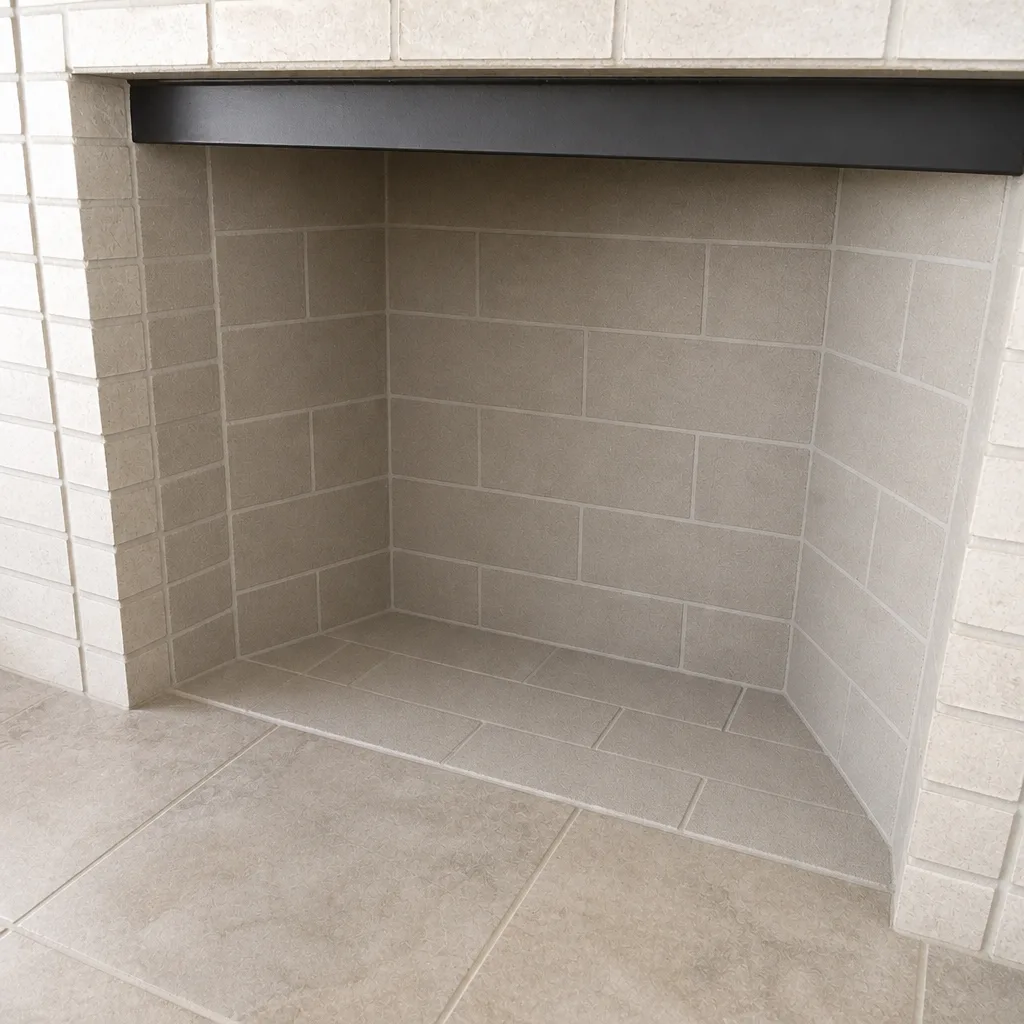
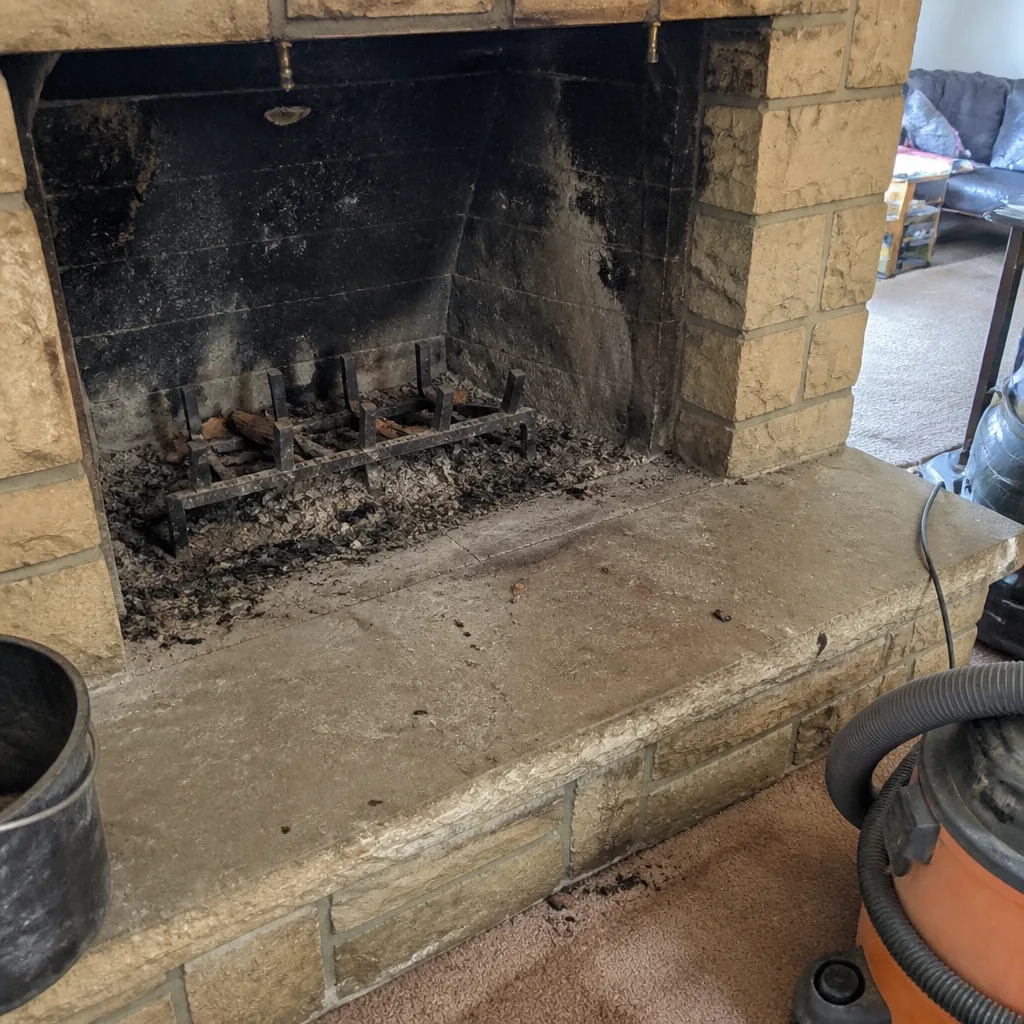
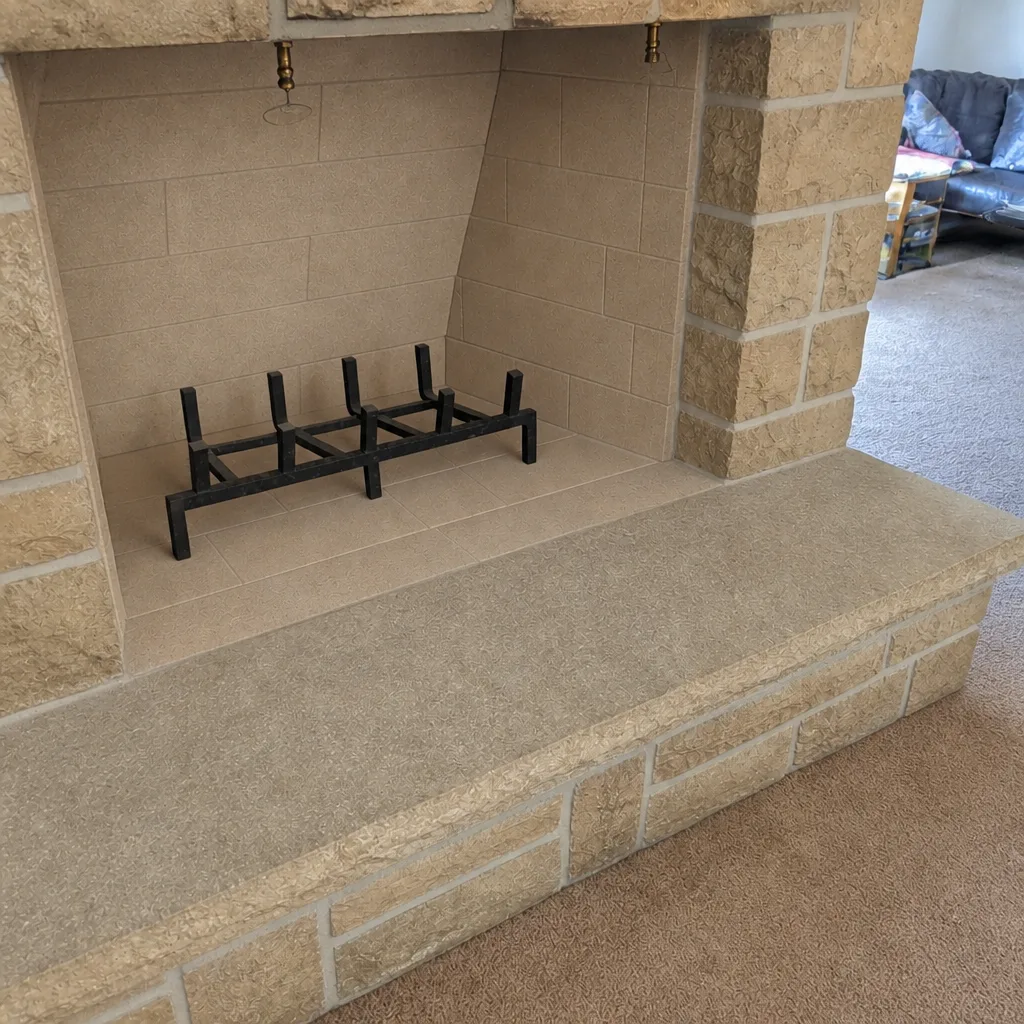
See the difference
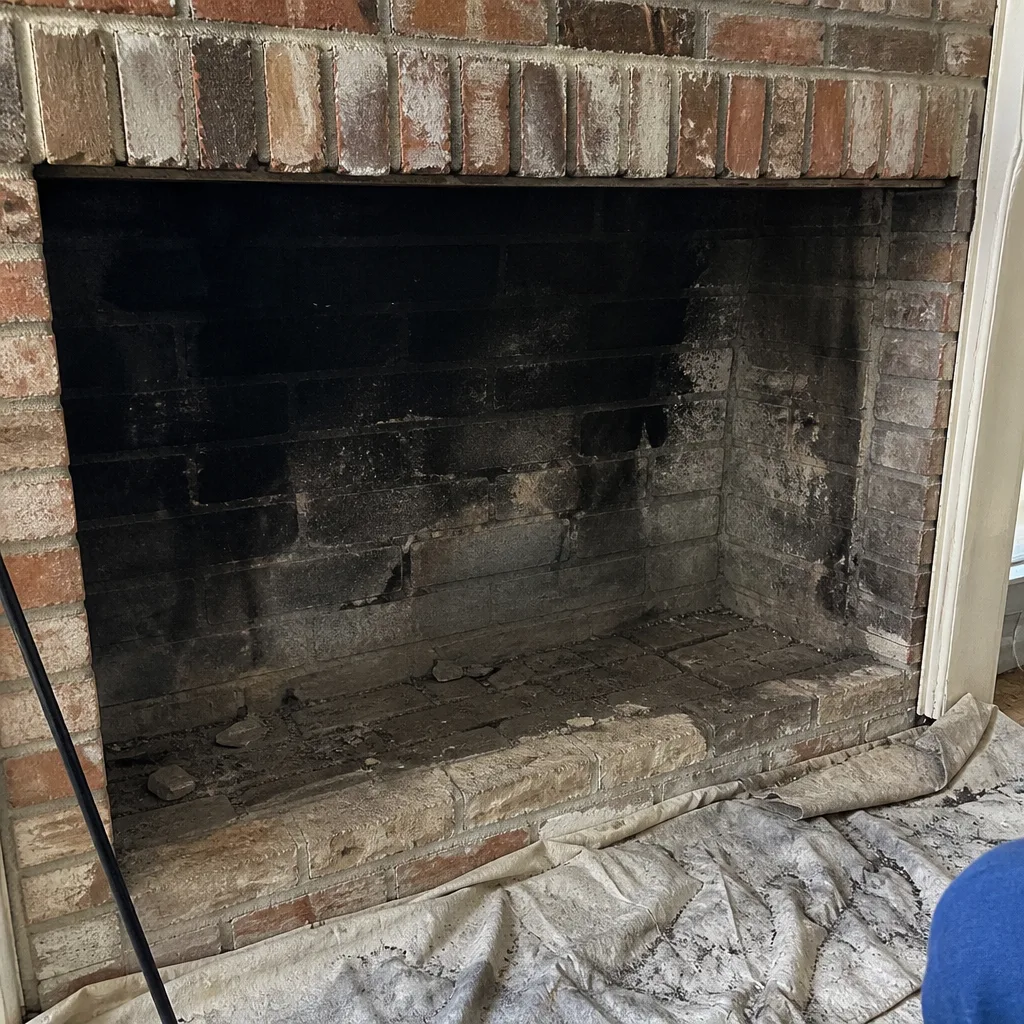 Before
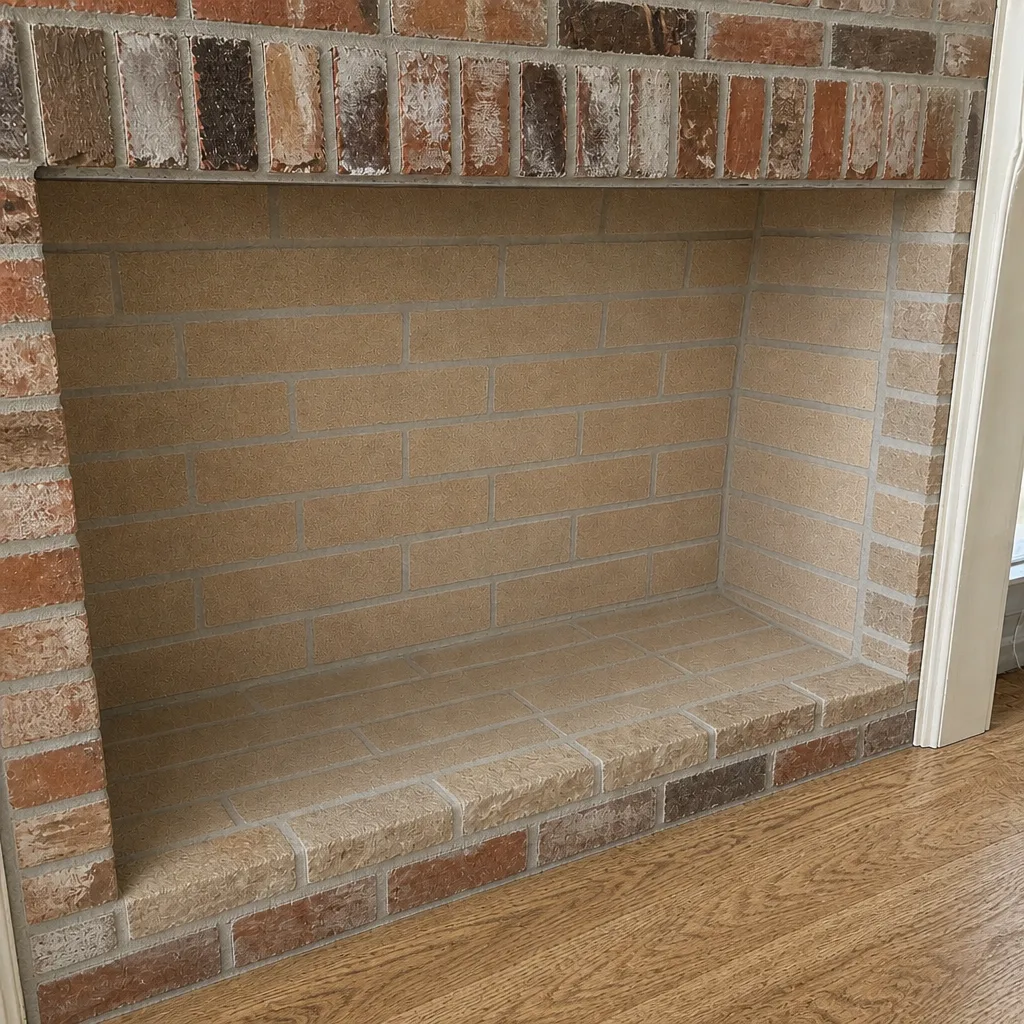 After
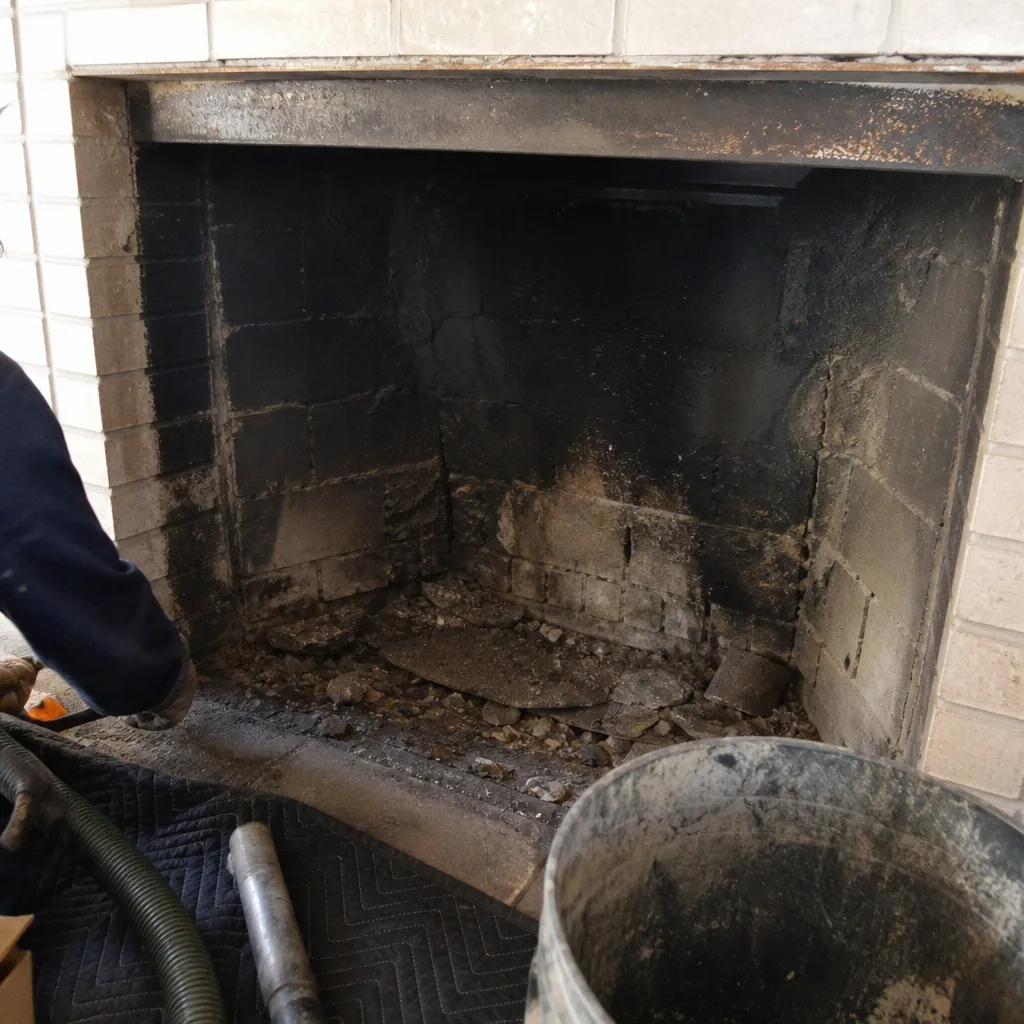 Before
 After
 Before
 After
When to Call a Professional
If your flue hasn’t been cleaned in a year or more, call a professional. If you smell smoke in the room when the fireplace is burning, call. If your damper sticks or doesn’t open fully, or your firebox has cracked masonry, or the cap is rusted through or missing, or you notice water stains in the firebox lining, or an animal has gotten into the flue, call. Those are the situations where a chimney sweep and diagnostic inspection is genuinely necessary rather than preventive. If your dryer takes more than one cycle to dry a load, that’s a call too – the vent needs clearing, and it’s the same fire-safety concern as a clogged flue. Chimney Sweep Carmel offers free estimates in Carmel – call (833) 436-4994. We answer 24/7. Fast dispatch from 7am to 7pm, Sunday through Friday.
If you’re not sure whether your situation warrants a call, that’s also fine – the phone is answered around the clock and we’re happy to talk it through before you book.
Frequently Asked Questions
Once a year is the standard for a wood-burning fireplace in active use, and more often if you burn heavily. Gas inserts and gas fireplaces still need an annual inspection even though they don’t build creosote the same way – venting condition, cap, and appliance connection still need checking. Call (833) 436-4994 for an exact quote on your setup; estimates are free.
It’s necessary if you burn wood, and it’s a sales visit if you hire the wrong contractor. A legitimate sweep removes creosote – which is a real fire hazard – and evaluates the flue, liner, firebox, damper, cap, and appliance connection. A basic sweep crew that cleans and hands you a repair list has stopped at half the job. Ask the five questions before booking to make sure you’re getting the first kind. Call (833) 436-4994 for an exact quote on our sweep – estimates are free.
A necessary repair has a photo, a named component, and a described method attached to it. If the recommendation is “your liner needs work” without a photo or a specific location, ask for one. If the contractor can’t show you what they found, that’s a hard stop. A second opinion from a different inspection is always fair on a large repair quote. Call (833) 436-4994 for an exact quote and a written report you can review at your own pace – estimates are free.
Yes, we work with DuraFlex flexible liner systems, HeatShield resurfacing materials, and Famco and Copperfield components for venting and cap work, and the brand question matters because it tells you what a contractor can actually do on-site. A sweep crew that names a brush and a vacuum can’t install a liner or resurface a flue. Ask the material question on the phone – the answer is a capability test. Call (833) 436-4994 with your chimney details for an exact quote.
No. A sweep cleans the flue; an inspection evaluates the whole venting system and documents what it finds. A Level 2 inspection – the standard for most Carmel homes with a working fireplace – covers the flue interior, liner, firebox, damper, cap, crown, and appliance connection. Get both in the same visit; that’s the point of a diagnostic sweep. Call (833) 436-4994 for an exact quote on a sweep that includes inspection and a photo report.
If your dryer takes multiple cycles to dry a load, or you haven’t had the vent cleaned in a couple of years, yes. Lint accumulation in the vent duct restricts airflow and creates a fire risk with the same basic mechanism as creosote in a chimney flue. A thorough dryer vent cleaning clears the full run, not just the hood, and includes a before-and-after look at what was in the duct. Call (833) 436-4994 for an exact quote; estimates are free.
The Bottom Line
Hiring a chimney cleaning contractor in Carmel is an interview process, not a price comparison. Ask the five questions – scope, documentation, materials, pricing method, and same-visit repair capability – and you’ll separate diagnostic technicians from basic sweep crews in under five minutes on the phone. Read the inspection report carefully, expect photos tied to findings, and treat certification as a floor rather than the whole story. Watch for the local red flags: vague scope, no written report, no photos, cash-only pricing, and a repair list that’s bigger than the evidence supports. And if your dryer vent hasn’t been looked at, ask about it on the same call. A chimney system and a dryer vent are both venting system safety concerns, and both deserve the same professional standard.
Chimney Sweep Carmel offers sweeping, chimney repair, and dryer vent cleaning with materials from DuraFlex, HeatShield, Famco, and Copperfield on the bench – so what we find, we can usually fix on the same visit. Call (833) 436-4994 for a free estimate. We answer 24/7. Fast dispatch from 7am to 7pm, Sunday through Friday.
Written by the team at Chimney Sweep Carmel.