
Last updated November 14, 2026
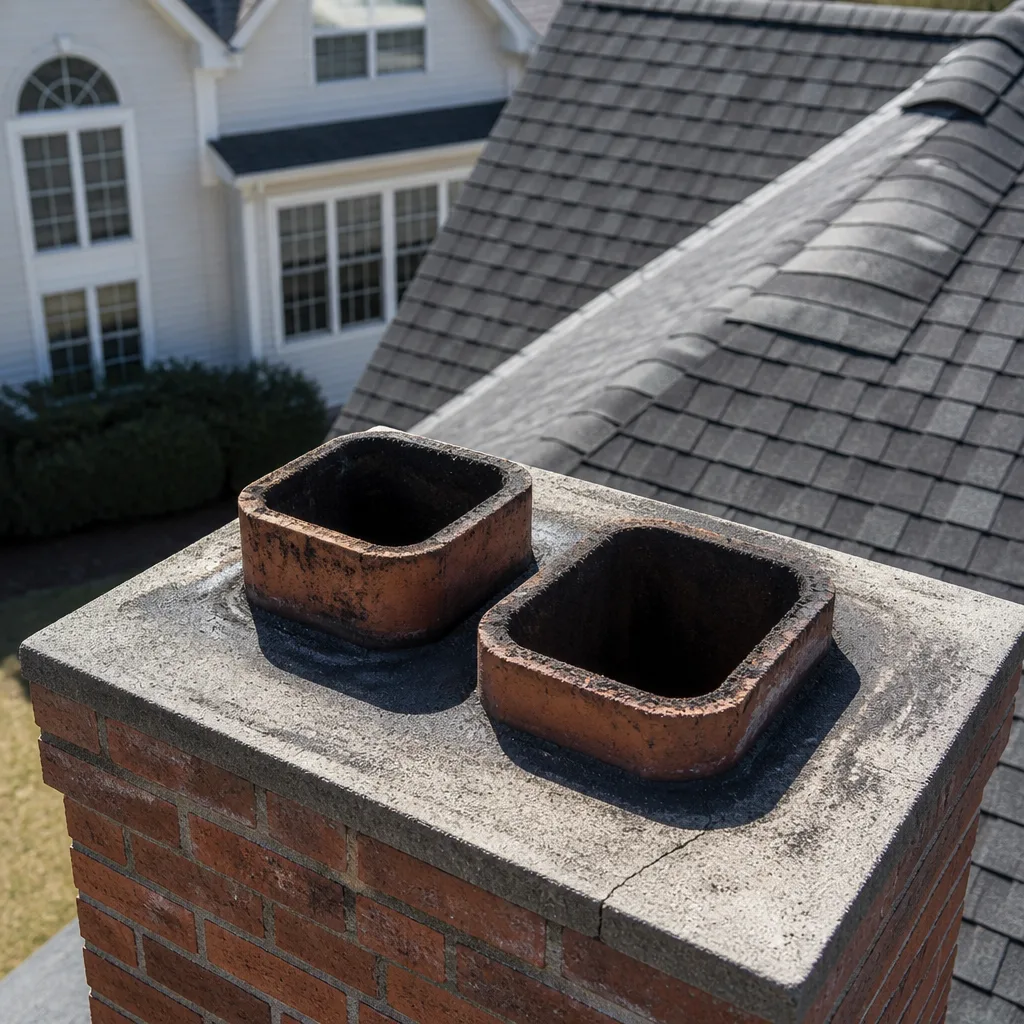 Sweep & inspection
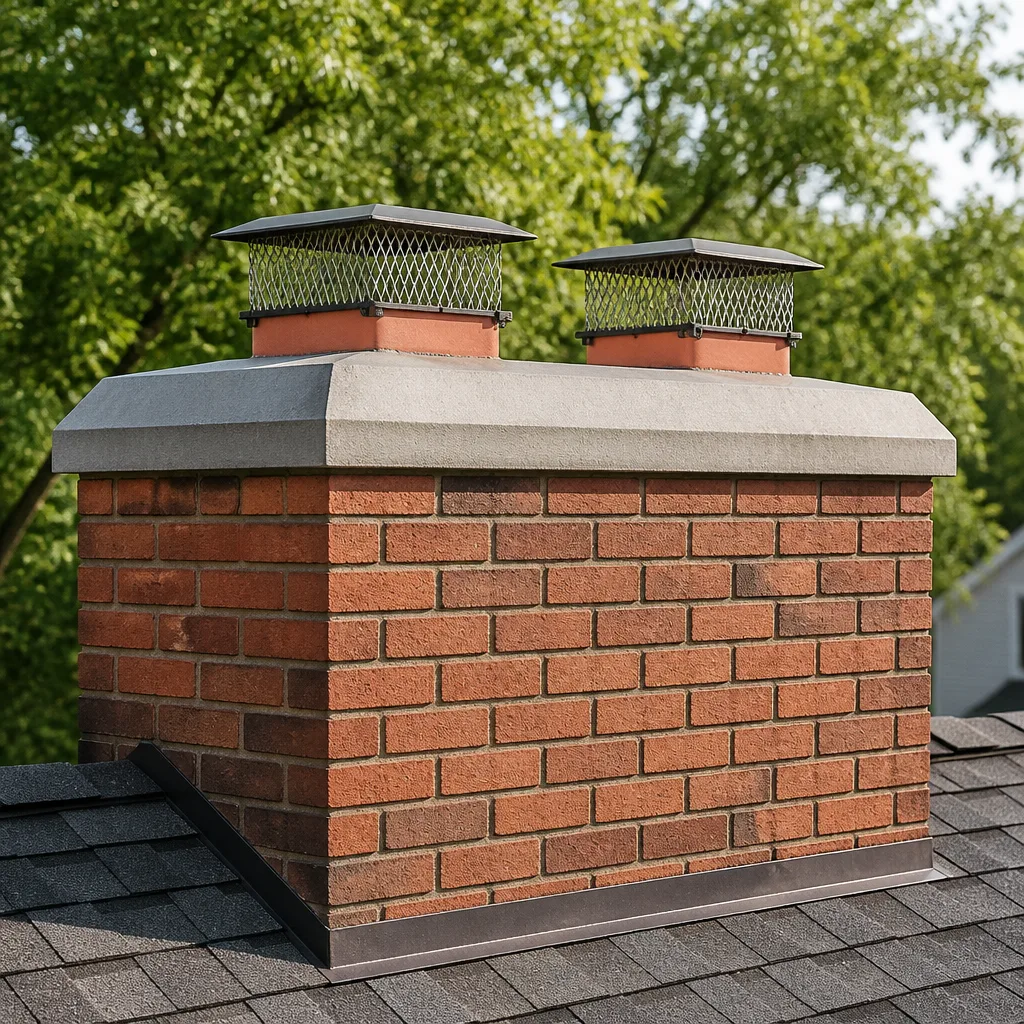 Caps & crowns
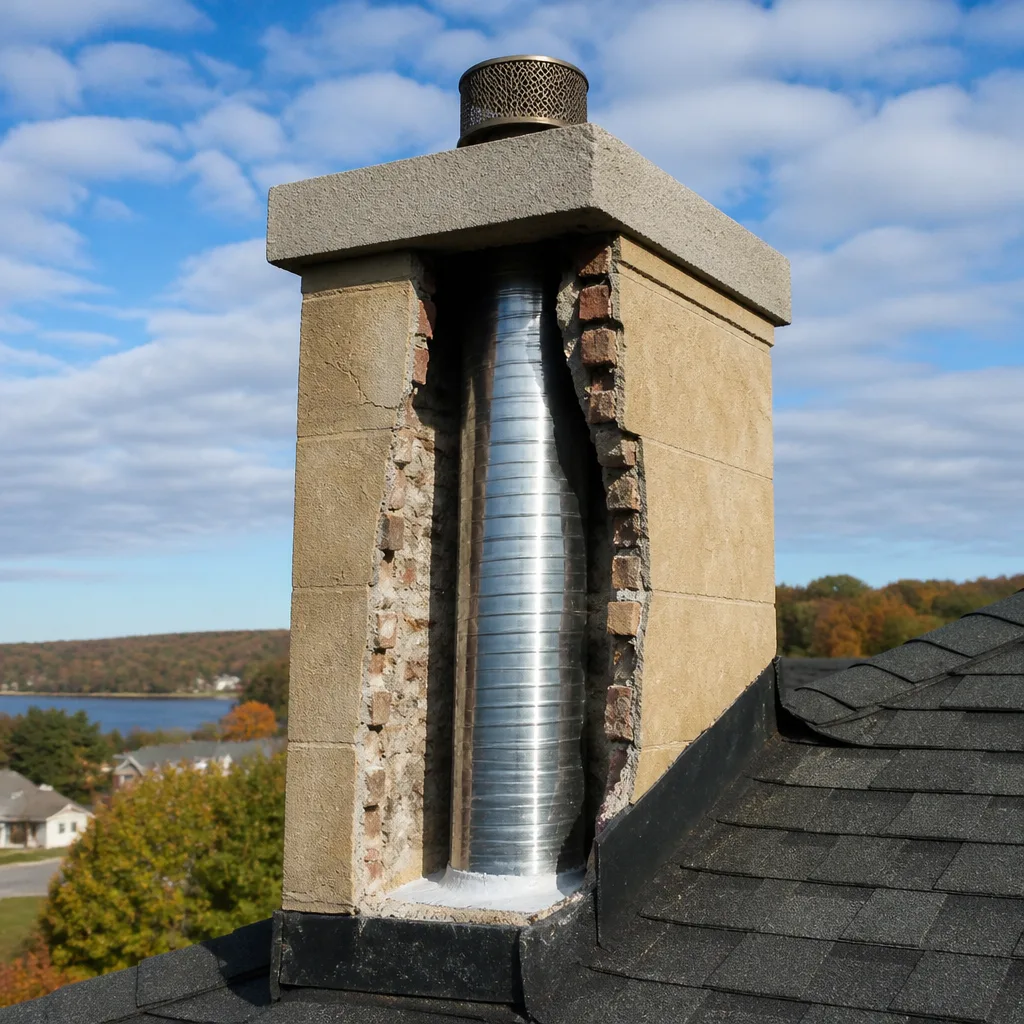 Flue relining
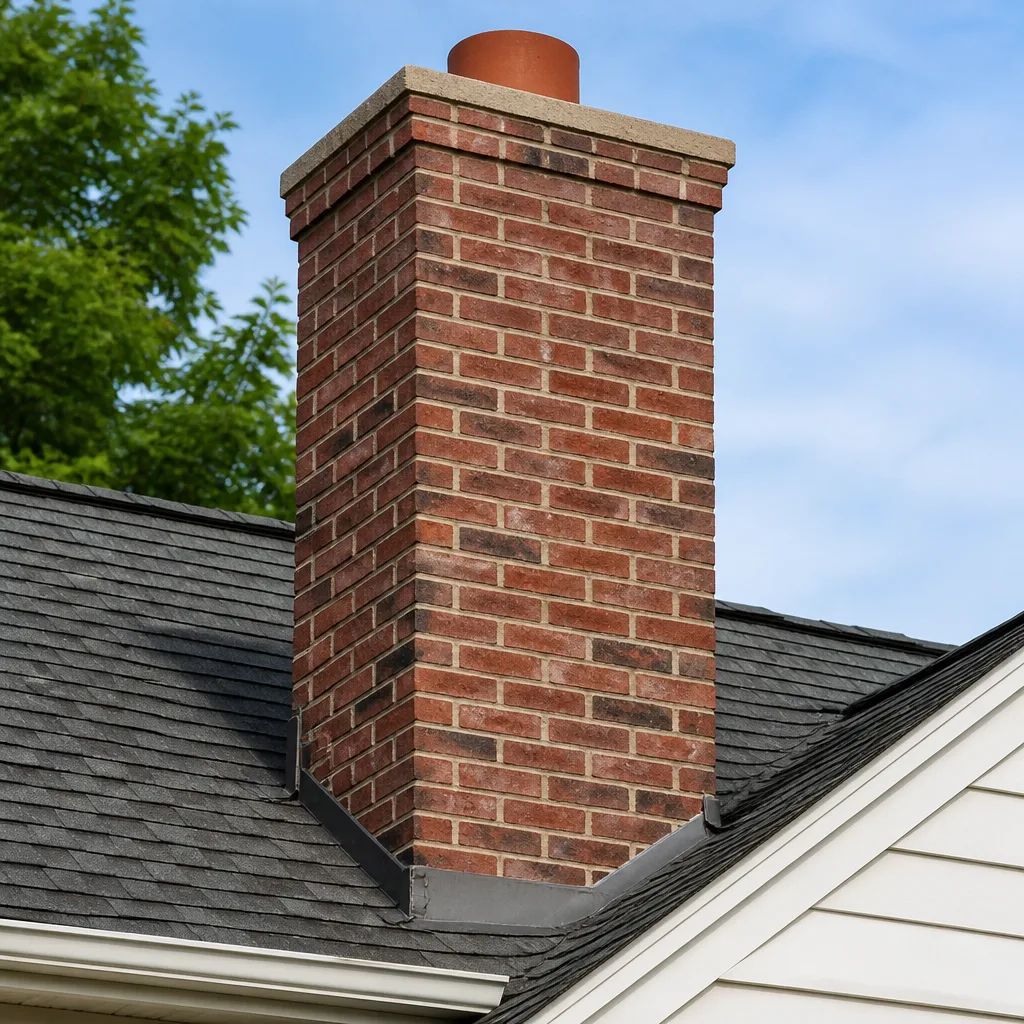 Masonry repair
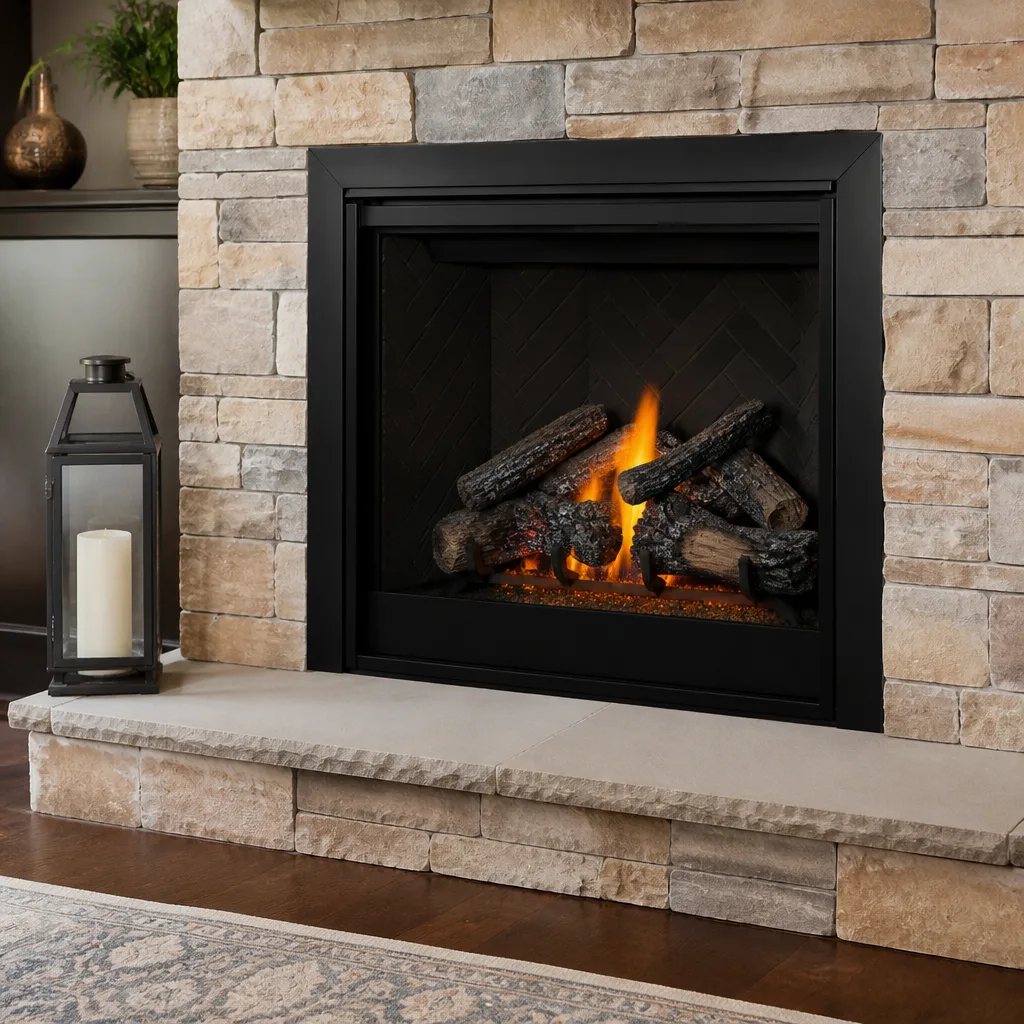 Gas fireplace service
Level 1 sweep and inspection to the NFPA 211 annual standard - flue, crown, cap, and flashing checked and photographed
Chimney sweep logs do not sweep chimneys. They loosen some creosote - which then falls where a brush and vacuum still have to collect it.
The Complete Guide to Chimney Cleaning in Carmel
Most chimney fires don’t happen because a homeowner skipped cleaning. They happen because cleaning was done without anyone checking what the creosote buildup was actually saying about burn habits and airflow. A sweep that removes the deposit but never asks why it formed leaves the real problem in place, and the deposit returns by the next cold season. That’s the gap this guide fills. We’ll walk through what a professional chimney cleaning involves stage by stage, why the sequence matters more than the scrubbing, how a Carmel home’s clay-heavy soil can quietly shift a flue out of alignment, and how to tell a diagnostic report from a to-do list. If you heat with wood in Carmel, this is the version of the story worth knowing.
Quick Answer
A professional chimney cleaning in Carmel is a staged diagnostic process, not just a brushing. It starts with an inspection to identify the creosote stage and any structural issues, then removes deposits in a specific order (smoke chamber, then flue, then firebox), and ends with a report that explains what the buildup tells you about burn habits and airflow. Done this way, the cleaning itself is only part of the value; the diagnosis is what actually prevents the next fire.
Styles & brands we work with
- Sweep & inspection
- Caps & crowns
- Flue relining
- Masonry repair
- Gas fireplace service
Table of Contents
- What actually happens during a chimney cleaning?
- The three stages of creosote and why each needs a different method
- How Carmel’s clay-heavy soil affects your fireplace structure
- Level 1 vs Level 2 inspections: which one your Carmel home needs
- Why cleaning order matters: smoke chamber, flue, firebox
- How to read a chimney report: problems vs root causes
- Your dryer vent is a venting system too
- How often should a Carmel chimney be cleaned?
What actually happens during a chimney cleaning?
A professional chimney cleaning involves six distinct stages, and each one builds on the last. Skipping or rushing any stage turns the visit into a surface scrub that misses what’s actually going on inside the flue. Here’s the sequence a trained technician should follow, whether the home is in Carmel or anywhere else with a real heating season.
- Pre-inspection and setup. The technician lays drop cloths, seals the firebox opening with a vacuum connection, and does a visual walkaround of the exterior. This is where obvious issues get flagged before any brushing starts.
- Creosote assessment. Before touching the flue, the technician identifies what kind of creosote is present. This determines the removal method, not just the amount of effort applied.
- Smoke chamber cleaning. The smoke chamber sits between the firebox and the flue, and its sloped surfaces collect deposits that a flue brush can’t reach from either end. It gets cleaned first for reasons explained below.
- Flue cleaning. The technician runs the appropriate brush or rotary tool down the flue from the top, or up from the bottom through the firebox, depending on the chimney’s configuration.
- Firebox and damper cleaning. Ash, soot, and debris are cleared from the firebox floor and the damper assembly is checked for proper operation.
- Final inspection and report. The technician inspects the cleaned system, photographs what was found, and writes up findings with explanations.
When you schedule a chimney sweep, this is the standard the visit should meet. Anything less and you’re getting half the service you paid for. The steps above aren’t padding; each one catches a different category of problem.
The three stages of creosote and why each needs a different method
Creosote forms in three recognizable stages, and the stage determines how it has to come off. Brushing harder on third-stage creosote doesn’t work; it just glazes it further and can damage the flue tiles. This is the single most common thing a general handyman gets wrong.
- Stage 1: Sooty, flaky deposit. This is the fresh stuff, usually less than a quarter inch thick and powdery to the touch. A standard poly brush removes it cleanly. It’s the easiest stage and the one most homeowners picture when they think of chimney cleaning.
- Stage 2: Hard, crusty deposit. The creosote has darkened and hardened into a crust that a poly brush bounces off. Removal usually requires a metal brush, a rotary whip, or chemical treatment to soften the deposit before brushing. This is the most common stage found in active Carmel fireplaces.
- Stage 3: Glazed, tar-like deposit. The deposit has hardened into a shiny, fuel-rich layer bonded to the flue tile. It ignites at lower temperatures than the other stages, which makes it the most dangerous. Removal requires chemical creosote remover followed by rotary cleaning, and sometimes more than one treatment cycle.
Alongside the three stages, it helps to know the two broad types. Creosote that’s black, crumbly, and comes off in flakes points to infrequent burning or wet wood. Creosote that’s shiny, cracked, and stuck firmly to the tile points to a choked air supply or chronically under-seasoned fuel. The type tells a technician something about how the household burns.
Here’s why this matters more than the cleaning itself. Third-stage creosote didn’t appear overnight; it built up over multiple seasons of restricted airflow or damp wood. If a sweep removes it without flagging the cause, the same deposit will be back. A technician who names the stage and explains what caused it gives you something to change. A technician who just brushes and leaves doesn’t.
How Carmel’s clay-heavy soil affects your fireplace structure
Carmel sits on some of the most clay-heavy soil in central Indiana, and that soil has a documented habit of moving when its moisture content shifts. Clay swells in a wet season and shrinks in a dry one, and that cycle puts uneven pressure on foundations. For homes with a masonry chimney tied into the structure, that movement doesn’t stay quietly underground. It works its way up.
What we look for on a walkaround:
- Hairline cracks at the chimney-to-house joint. These often appear first at the point where the chimney masonry meets the exterior wall. They’re usually cosmetic, but they can signal that the chimney footing is settling at a different rate than the house.
- Flue tiles out of alignment. This is the one that matters for fire safety. When the chimney footing shifts, individual clay flue tiles can move slightly, opening up gaps at the joints where creosote deposits and eventually smoke can escape into the chimney cavity.
- Door and damper misalignment. A firebox door or damper that used to close smoothly and now drags or stays slightly ajar is often a sign the surround has shifted. It looks like a hardware issue but frequently isn’t.
- Crown and cap damage. The concrete crown at the top of the chimney takes the brunt of this movement. Cracks in the crown let water in, which makes the settling problem worse with each freeze-thaw cycle.
None of this is a reason to panic. Most Carmel homes with clay-shifting hairline issues don’t need structural work; they need to be checked and monitored. But a chimney cleaning that doesn’t include a check for these signs is missing context that matters. When we replace a damaged crown or cap, we often reach for a Gelco or Copperfield product specifically because it holds up to the freeze-thaw pattern this region gets.
Level 1 vs Level 2 inspections: which one your Carmel home needs
Chimney inspections come in three levels, but in residential practice you’ll almost always be dealing with Level 1 or Level 2. The difference is access and detail, and which one applies is determined by what’s happened since the last inspection, not by preference.
Level 1 Inspection
A Level 1 inspection covers all readily accessible parts of the chimney and venting system, viewed without special tools or access. It’s the standard inspection that accompanies a routine cleaning. If you’ve been in the house for a while, you burn the same fuel the same way, and nothing structural has changed, a Level 1 is usually right.
Level 2 Inspection
A Level 2 inspection adds access to parts of the system that a Level 1 can’t reach. In practice, that means a camera inspection of the flue interior, or access through the firebox and damper when the configuration requires it. It’s required in several common situations, and the ones that come up most in Carmel are:
- After a chimney fire, even a small one the homeowner isn’t sure was real
- When the home has changed hands
- After an earthquake, a significant settling event, or a structural change to the house
- Any time the flue liner has been resurfaced or replaced
- When a Level 1 inspection finds something that needs a closer look
The practical question for a homeowner is this: if you’ve just moved into a Carmel house and don’t know the fireplace’s history, or if you’ve had a chimney fire, or if you’re changing the fuel type (say, swapping a wood-burning insert for gas), you want a Level 2. Otherwise, a Level 1 visit bundled with your cleaning is the right starting point. When we suspect a liner problem during a cleaning, we can pull the camera and see it during the same visit. That’s the diagnostic value of a proper sweep.
Why cleaning order matters: smoke chamber, flue, firebox
Chimneys get cleaned in top-down order: smoke chamber first, flue second, firebox last. It sounds like a minor procedural detail. It isn’t. Cleaning in the wrong order makes the job look finished while leaving debris where it doesn’t belong, and it can flood the firebox with soot after the technician has moved on to the report.
Why the smoke chamber goes first
The smoke chamber is the tapering space above the firebox but below the actual flue. Its sloped surfaces are a trap for creosote, soot, and fallen masonry. When you clean the smoke chamber first, everything that loosens drops down into the firebox where it can be vacuumed out. Clean it after the flue and you send fresh debris up into the flue you just finished. Clean it after the firebox and you’re vacuuming twice.
Why the flue goes second
The flue is the long vertical shaft. Brushing it from the top down means everything falls into the smoke chamber, which is already clean. If a technician cleans the flue first and then does the smoke chamber, the smoke chamber deposits fall back into the firebox, which is fine, but the smoke chamber itself will re-accumulate from the flue during the flue cleaning. The order isn’t arbitrary; each stage protects the work above it.
Why the firebox goes last
The firebox is the catch basin of the whole job. All the debris from the stages above ends up here, and it’s the last place a technician wants to clean because it’s the last place that needs to be clean. Working bottom-up reverses this, and the technician ends up either re-contaminating clean surfaces or making a second pass through the whole system.
This is why the “cleaning report” so many homeowners receive is thin. A bottom-up job done in an hour rarely includes the smoke chamber at all, because the technician can’t reach it correctly from below. When we work through a Chimney Sweep Carmel service call, we follow the sequence because it’s the only one that produces an honest report of what the flue actually looked like before the brush went in.
What often gets missed bottom-up
- Smoke chamber deposits that never get reached
- Cracks in the smoke chamber’s parging that a top-down camera would find
- Fallen masonry sitting on top of the smoke chamber shelf
- Damper assembly damage that only shows under full access
None of these are exotic. They’re the ordinary contents of a bottom-up job that skipped the top.
How to read a chimney report: problems vs root causes
A cleaning report that lists problems is a to-do list. A cleaning report that explains root causes is a plan. The difference is whether the technician tells you why each finding is there, and whether the recommendation is connected to that cause. This matters because a well-written report protects you from paying for work that isn’t necessary while making the necessary work obvious.
What a “problem list” report looks like
- Glaze found in upper flue. Recommend sweep.
- Crown has cracks. Recommend crown repair.
- Damper stiff. Recommend damper replacement.
Every line is true, and every line is a billable item. There’s no causal analysis, no prioritization, and no statement of what can safely wait. When a homeowner reads a report like this, they have no way to verify whether the recommended work is needed. That’s the source of most of the anxiety around chimney sweeps.
What a “root cause” report looks like
- Stage 2 creosote in upper flue, consistent with burning wood at higher than 20% moisture content. Recommend testing wood with a moisture meter before burning; sweep again in one year rather than two.
- Crown cracks consistent with clay-soil settlement on the north face of the chimney. Cracks are superficial; monitor for two seasons before repair. No action needed this visit.
- Damper stiff due to rust from winter condensation, not warping. Lubricate and recheck at next sweep; replacement not indicated.
The second version gives you decisions, not orders. It tells you what needs fixing now, what can wait, and what just needs watching. It also names the cause, which is the thing a homeowner can actually change.
How to tell which report you got
Ask one question when the report lands: “What caused this?” If the technician can’t answer in one sentence for each finding, the report is a list, not a diagnosis. A good report also separates urgent findings (liner cracks, glazed creosote near the top, damper failure) from items that can be reviewed at the next visit. When we recommend relining, we do it because the camera shows a crack or a gap, not because the liner looked old. We work with DuraFlex flexible liner systems and HeatShield resurfacing for exactly this reason: different conditions need different materials, and HeatShield is a resurfacing method most basic sweep services can’t apply at all.
Your dryer vent is a venting system too
The dryer vent is a venting system with a lint problem, and lint is more flammable than most homeowners realize. A clogged dryer vent restricts airflow, which raises the operating temperature of the dryer, which makes lint ignition more likely. This is the same fire-safety logic as the chimney, applied to a shorter, lower-temperature flue.
The clearest sign is a dryer that takes two or more cycles to dry a normal load. That’s a symptom of airflow restriction, not a broken appliance. Other signs:
- Clothes that come out hot but not dry
- The top of the dryer getting noticeably warmer than usual during a cycle
- The outside vent flap not opening fully or not opening at all
- A burning or musty smell near the dryer during operation
- Visible lint gathering at the exterior hood
Most Carmel homes have a dryer vent that runs up through a wall or roof, and those longer runs are the ones that clog fastest. The same crew that handles your chimney can handle dryer vent cleaning during the same visit, which means you don’t need a second appointment with a second service for a related venting system. It’s a single call for all residential venting.
How often should a Carmel chimney be cleaned?
Most Carmel chimneys should be swept once a year if the fireplace sees regular use during the heating season, and inspected at least once a year regardless. That’s the standard the industry generally recommends, and it matches what we see in practice: a chimney that gets cleaned annually rarely has severe creosote or undetected structural issues. The gaps between cleanings are when problems develop.
Annual isn’t the right answer for every household, though. Several factors push the interval shorter:
- Burning unseasoned wood. Wood that hasn’t dried to a reasonable moisture content produces more creosote per cord than well-seasoned wood. If you burn green or damp wood, sweep more often.
- Burning frequently in a cold season. A fireplace used daily through a long heating season accumulates faster than one used occasionally.
- Restricted air supply. A chimney that drafts poorly, or a firebox with a glass door that isn’t opened enough, produces smoldering fires and higher creosote yields.
- An older or unlined flue. A flue without a proper liner, or one with deteriorated liner tiles, needs closer watching.
- After any chimney fire. Even a small, extinguished-on-its-own fire calls for a sweep and a Level 2 inspection before the next burn.
The point isn’t to invent an arbitrary interval. It’s to match the sweep schedule to what your fireplace is doing. A cleaning that ends with a report explaining why your particular chimney builds creosote at its particular rate is the one that actually sets the right interval. That’s the value of treating the cleaning as diagnostic, not routine.
Common Mistakes to Avoid
- Scheduling a cleaning with no inspection attached. A sweep that doesn’t include an inspection of the smoke chamber, damper, and visible liner is a partial service. It’s not a matter of which inspection level; even a Level 1 needs to happen.
- Believing “no visible problem” means “no problem.” Flue cracks and out-of-alignment tiles rarely show from the floor of the firebox. The camera exists for exactly this reason, and skipping it is how a real issue gets missed for years.
- Treating all creosote as the same. Stage 1 and Stage 3 require entirely different tools and safety precautions. A technician who reaches for the same poly brush regardless hasn’t assessed the flue first.
- Burning wet wood to save money. Unseasoned wood produces more creosote per cord and forces a shorter cleaning interval. The savings at the woodpile turn into a chimney problem downstream. It’s the most common locally-driven cause of accelerated creosote we see.
- Skipping the dryer vent because the dryer still runs. A dryer that takes two cycles is warning you. The appliance works fine; the vent doesn’t. That’s a fire-safety signal, not an appliance symptom.
- Hiring a sweep and a separate repair contractor. When the sweep finds a cracked crown or a heat-damaged cap, a cleaning-only service leaves you scheduling a second visit. A service that can act on what it finds does the repair in the same appointment.
- Ignoring the smoke chamber. If the cleaning report only mentions the flue and firebox, ask about the smoke chamber. It’s the part most likely to be skipped and one of the most likely to hold a fire hazard.
See the difference
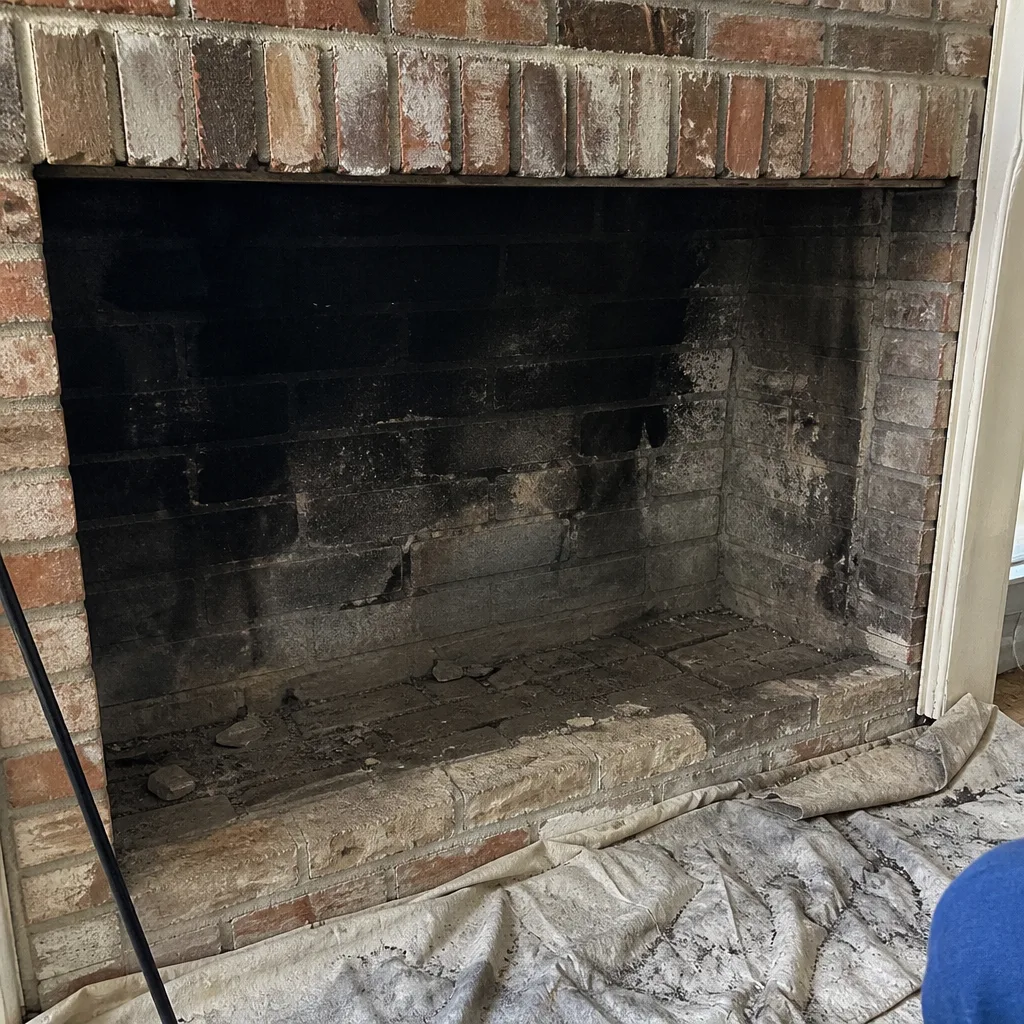 Before
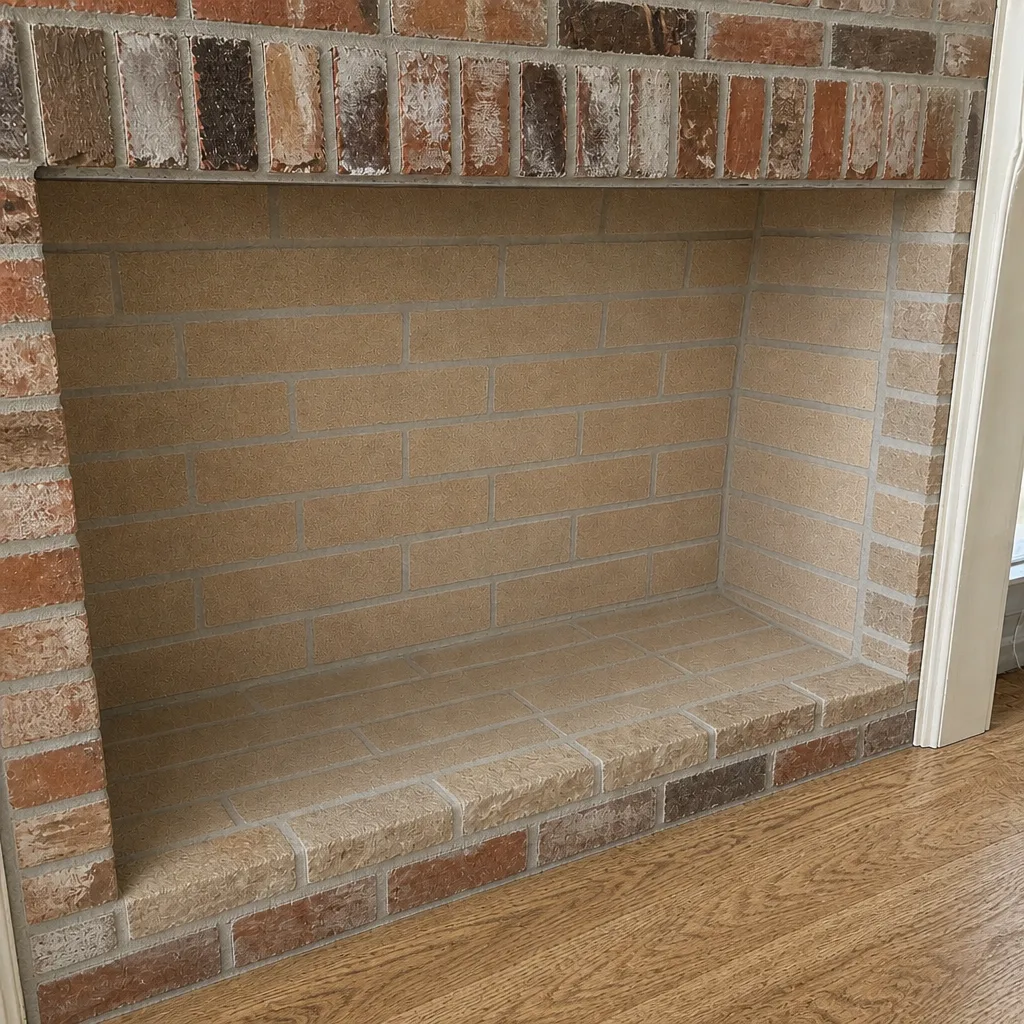 After
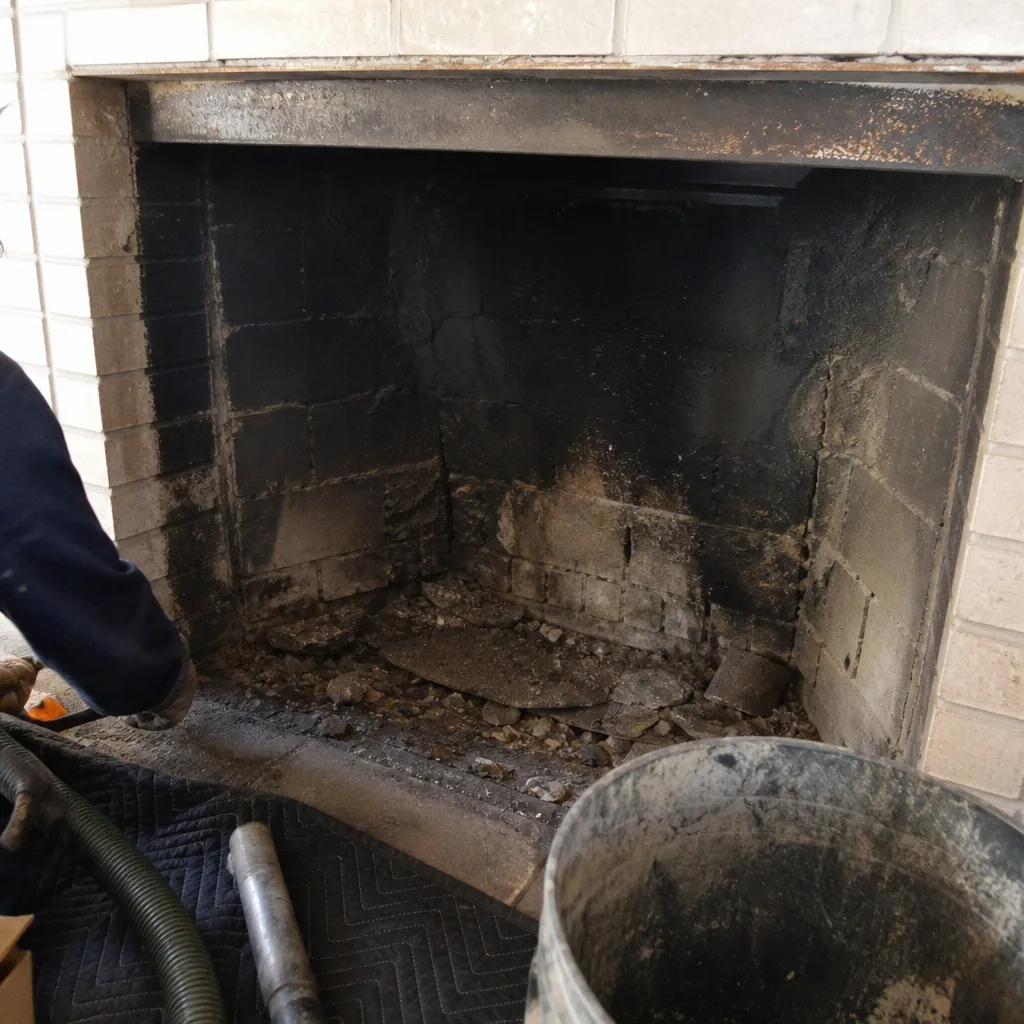 Before
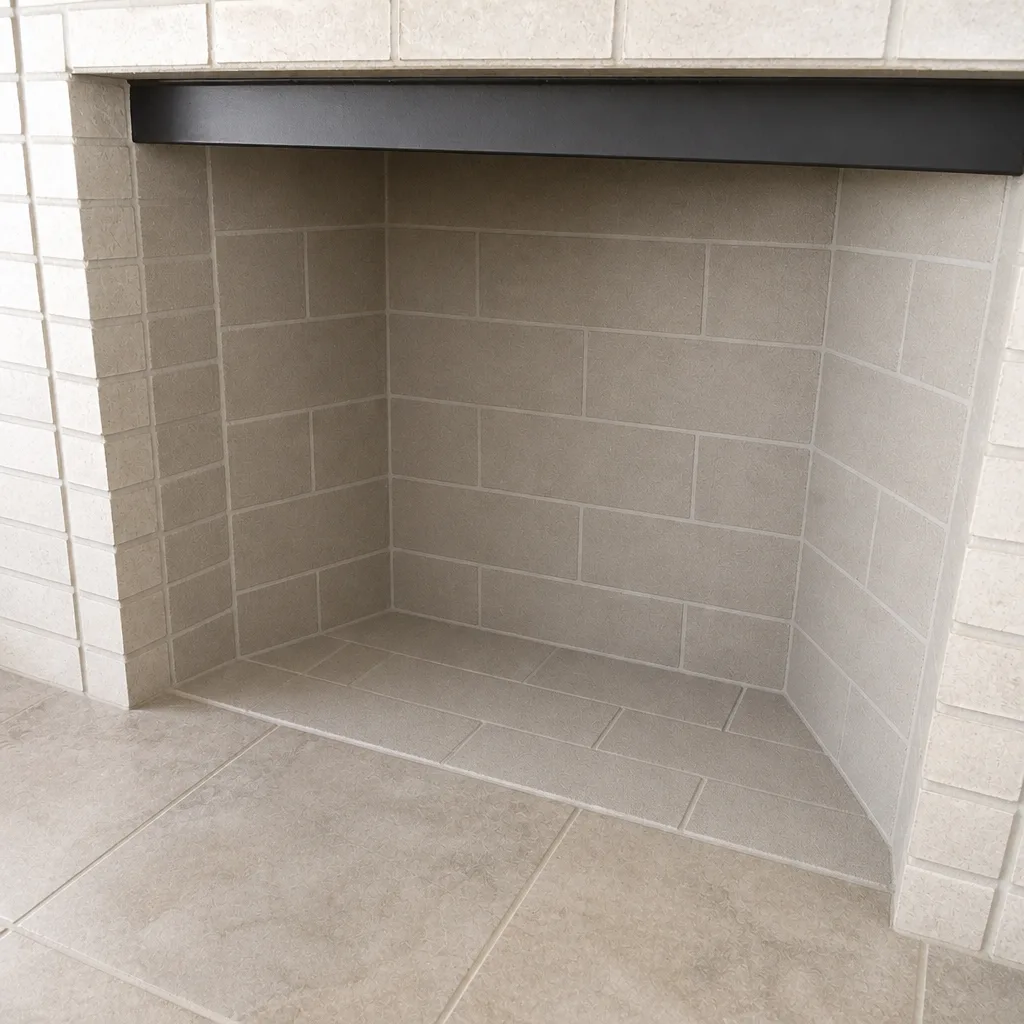 After
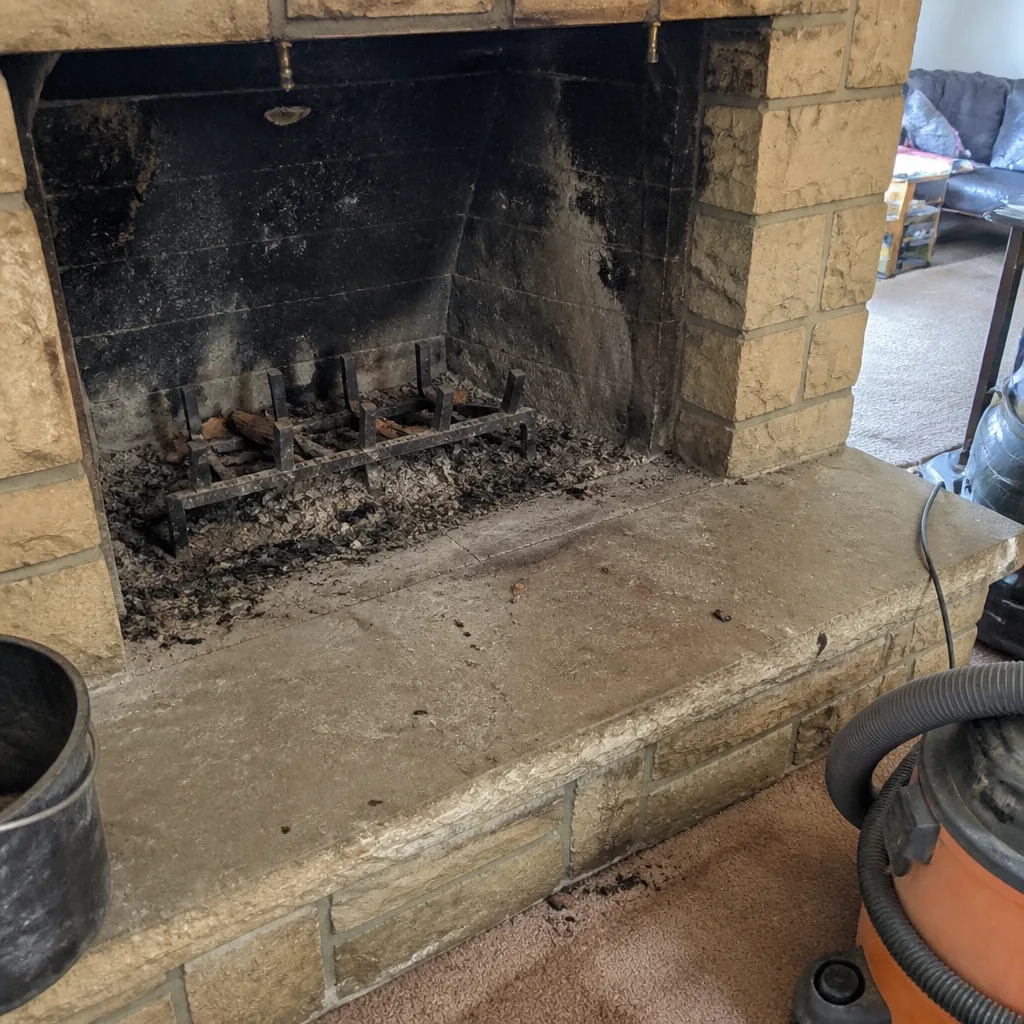 Before
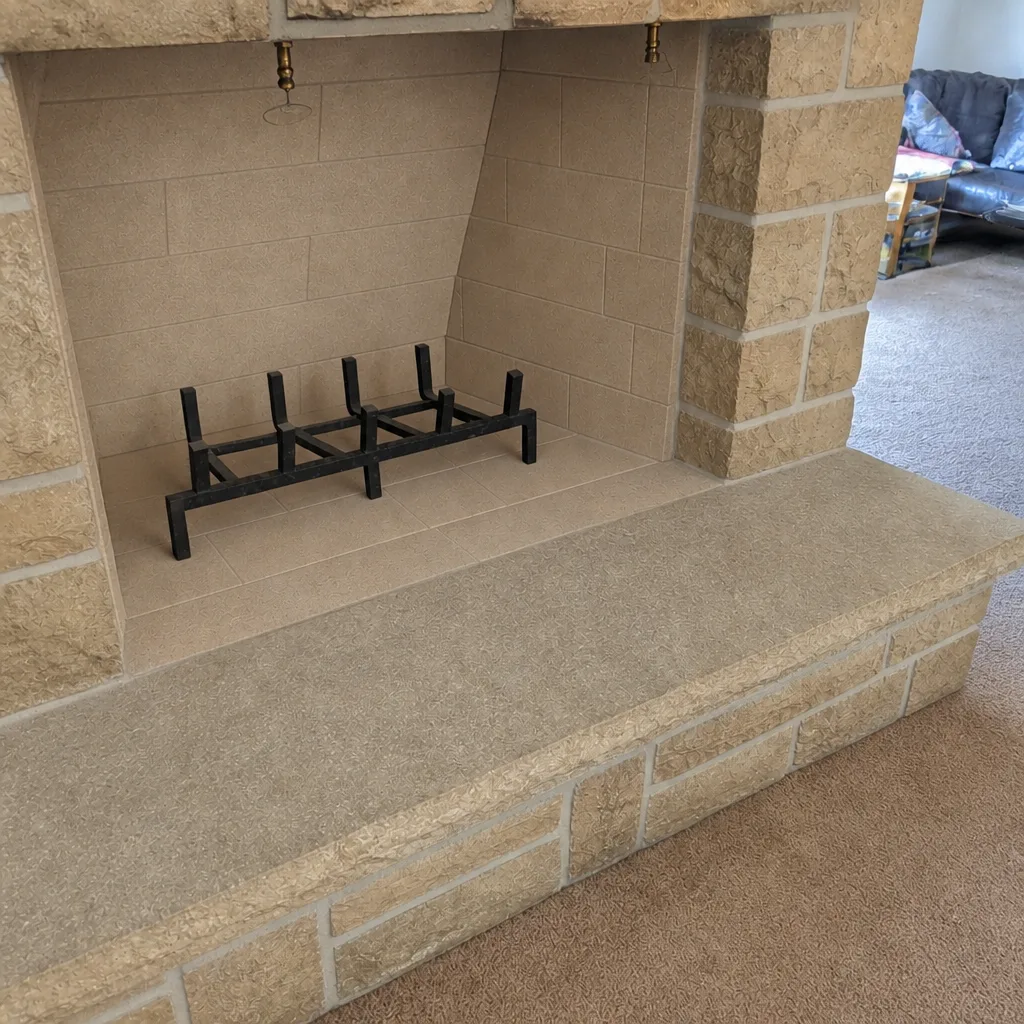 After
When to Call a Professional
Some chimney work is not a homeowner project. If you see any of the following, stop burning and call us: a chimney fire of any size has occurred, glazed third-stage creosote is visible in the flue, there’s smoke entering the room from the firebox or around the damper, or you can see cracked or missing flue tiles. Any of these means the venting system is compromised and a fire is a live risk. Liner work, crown repair, and cap replacement are also jobs for a trained professional, not a general handyman; a HeatShield resurfacing or DuraFlex liner installation is specialist work. Our technicians have up to 15 years of experience, and we’re set up for repair as well as cleaning.
Chimney Sweep Carmel offers free estimates in Carmel. Call (833) 436-4994 to book a sweep, repair visit, or dryer vent cleaning. We answer 24/7. Fast dispatch from 7am to 7pm, Sunday through Friday.
Frequently Asked Questions
Once a year for most homes that burn wood through the heating season, with an inspection every year regardless. If you burn unseasoned wood, have a restricted draft, or use the fireplace heavily, your interval should be shorter. A sweep that explains what it found tells you which schedule applies to your chimney. Call (833) 436-4994 for a free estimate on a sweep.
A Level 1 covers all readily accessible parts of the chimney from the firebox and from outside, and it’s the standard inspection bundled with a routine cleaning. A Level 2 adds camera access to the flue interior and is required after a chimney fire, when the home changes hands, after structural settling, or when the liner has been resurfaced.
In most cases, yes. We carry the products needed for cap replacement, crown repair, and component corrections, and we can act on what the sweep turns up rather than sending you to a second contractor. Larger jobs like a full liner installation or a HeatShield resurfacing may need a scheduled follow-up visit because they take longer than a sweep, but they’re handled by the same crew. Call (833) 436-4994 for a free estimate.
It can, yes. Clay-heavy soil swells and shrinks with moisture content, and that movement can put uneven pressure on a chimney footing. Over years, that shows up as hairline cracks at the chimney-to-wall joint, slightly out-of-alignment flue tiles, or a crown that’s cracking. Most of it is monitor-and-watch rather than urgent repair, but a cleaning that checks for the signs gives you a much clearer picture.
It’s a venting-system fire risk, and a real one. Lint is highly flammable, and a clogged vent restricts airflow, which raises dryer operating temperature and makes lint ignition more likely. The clearest sign is a dryer taking two cycles to dry a normal load. The same crew that cleans your chimney can clean the dryer vent during the same visit. Call (833) 436-4994 to schedule both.
Same-day service is available when you call during dispatch hours. We answer 24/7, and fast dispatch runs from 7am to 7pm, Sunday through Friday. A call outside dispatch hours is booked into the next opening. The estimate is free, and the price is set per job by the written estimate.
The Bottom Line
A chimney cleaning is a diagnostic visit. The steps inside it matter because each one, from creosote staging to cleaning order to the report itself, produces information a homeowner can act on. In Carmel, the local clay soil and a genuine heating season give that sequence extra weight: settling can shift flue alignment, and creosote stage tells you how to burn this winter. When you schedule a sweep, ask what kind of report you’ll get back. If it’s a to-do list, you’re paying for a brush. If it’s a root-cause diagnosis, you’re paying for a fire-safety assessment. That’s the difference worth choosing.
Call (833) 436-4994 for a free estimate. We answer 24/7. Fast dispatch from 7am to 7pm, Sunday through Friday. We work across Carmel and the surrounding communities, and we handle chimney sweeping, chimney repair, and dryer vent cleaning as a single service.
Written by the team at Chimney Sweep Carmel.