
Last updated November 14, 2026
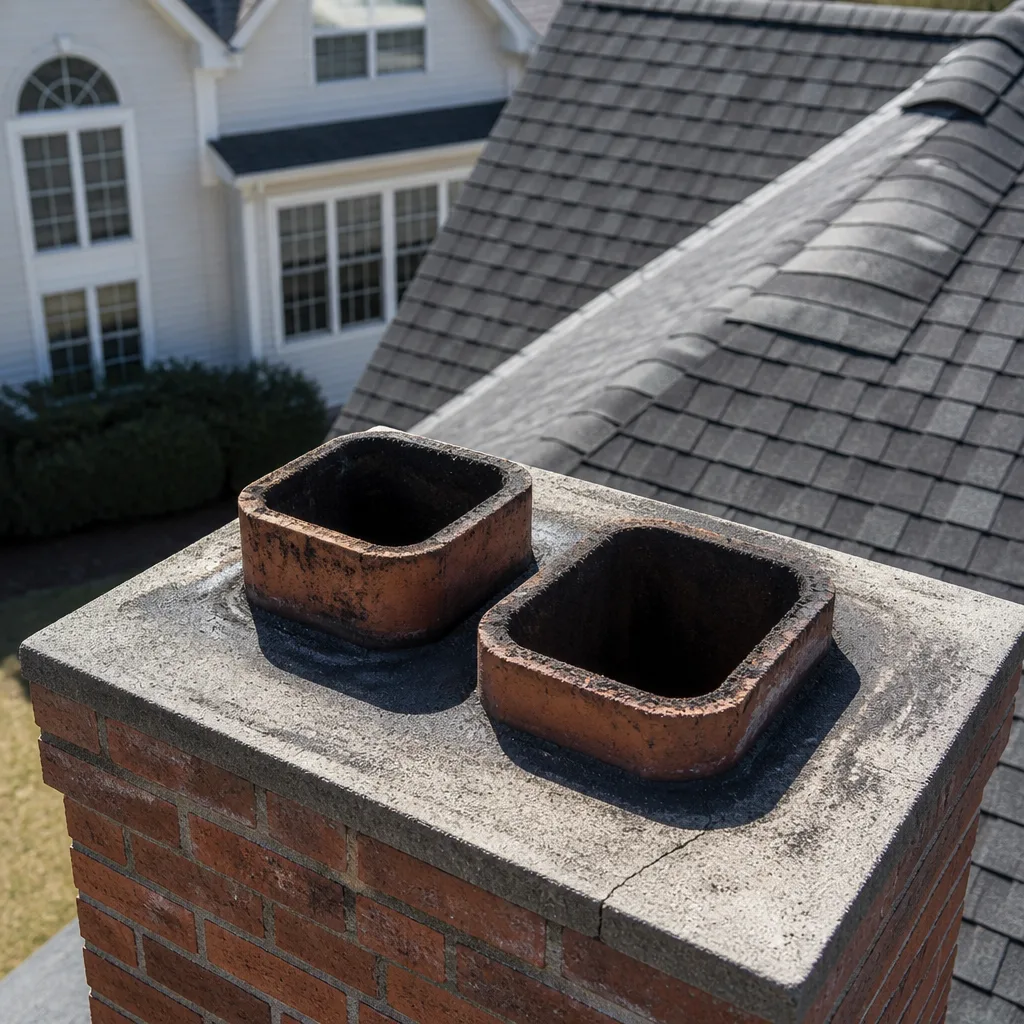 Sweep & inspection
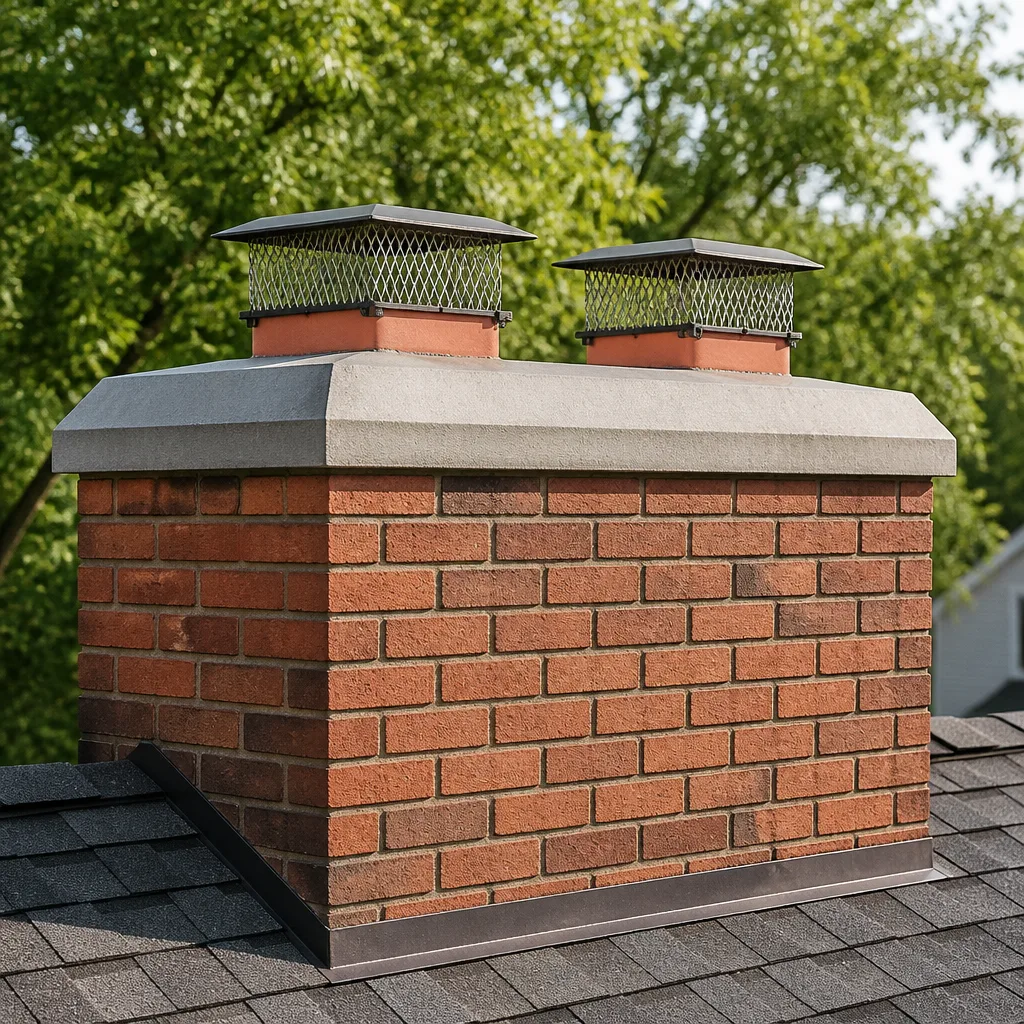 Caps & crowns
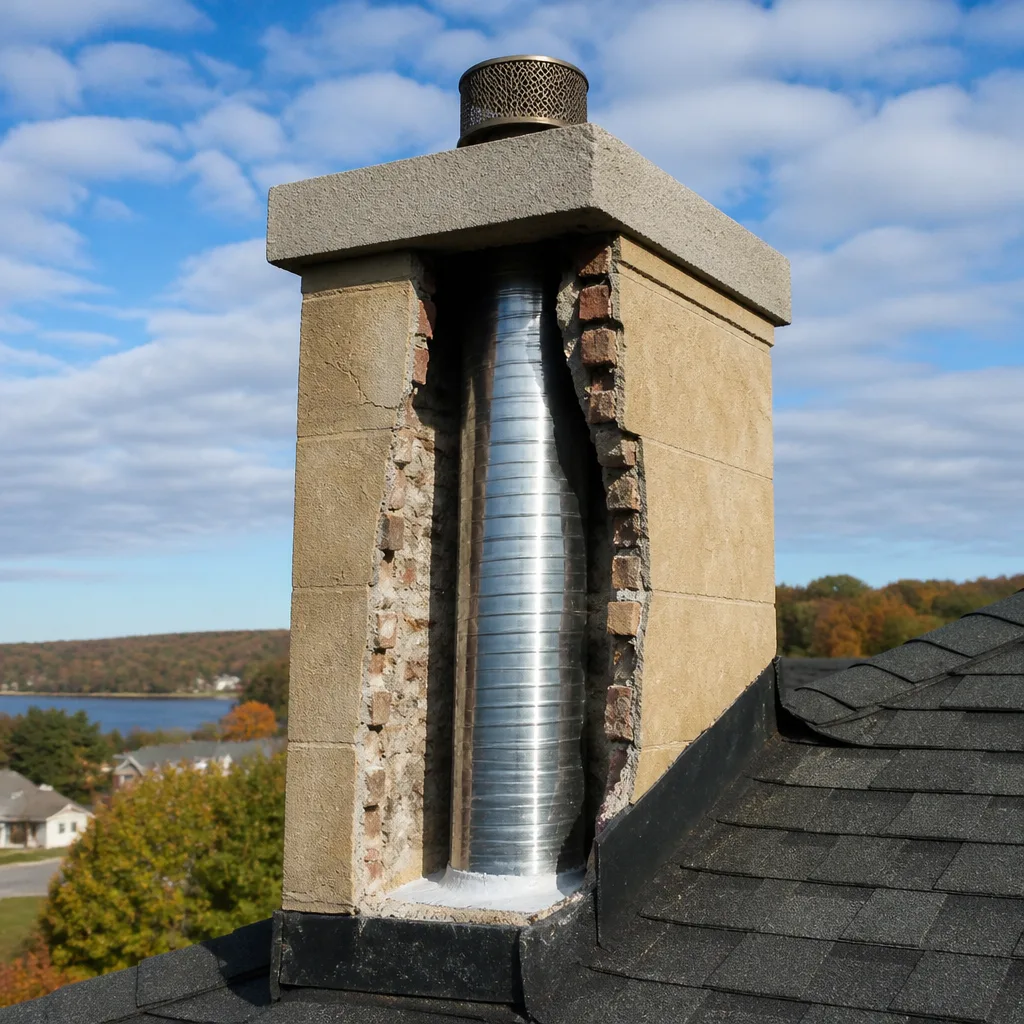 Flue relining
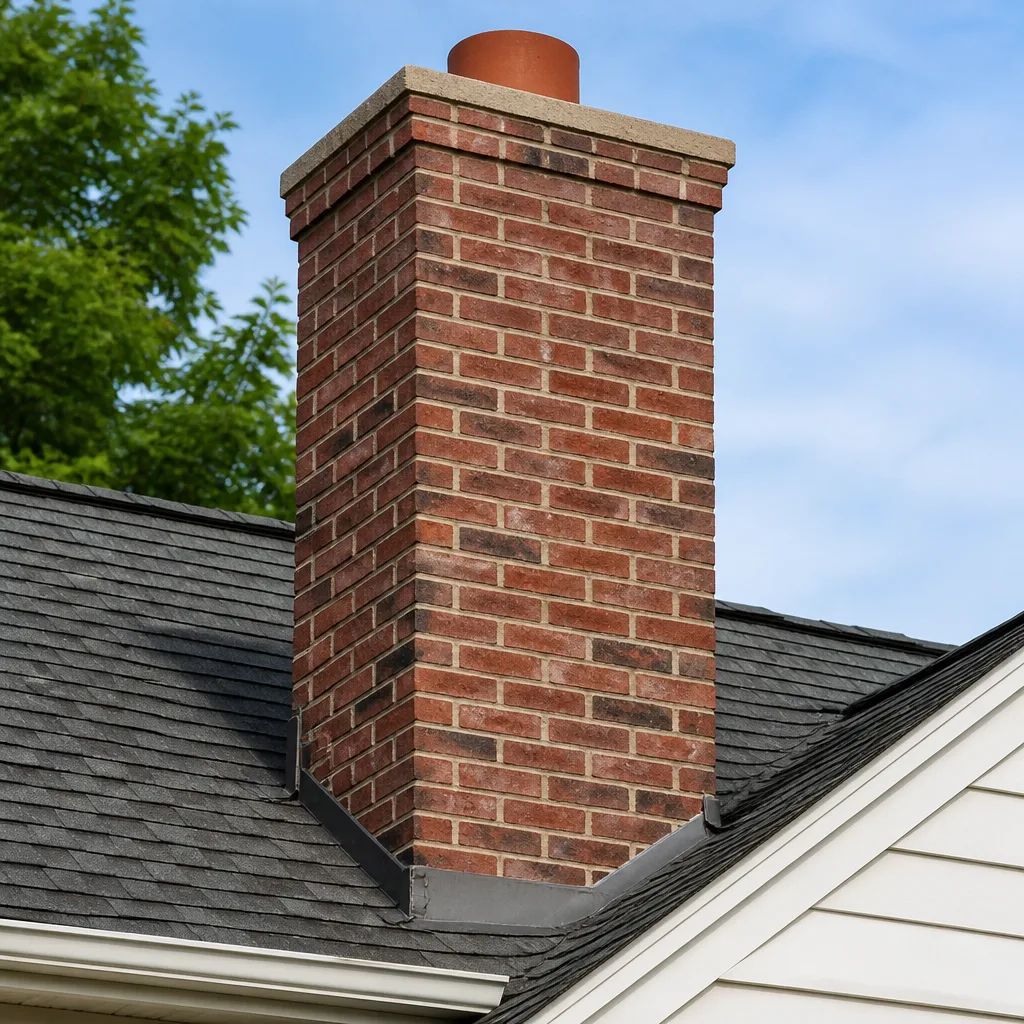 Masonry repair
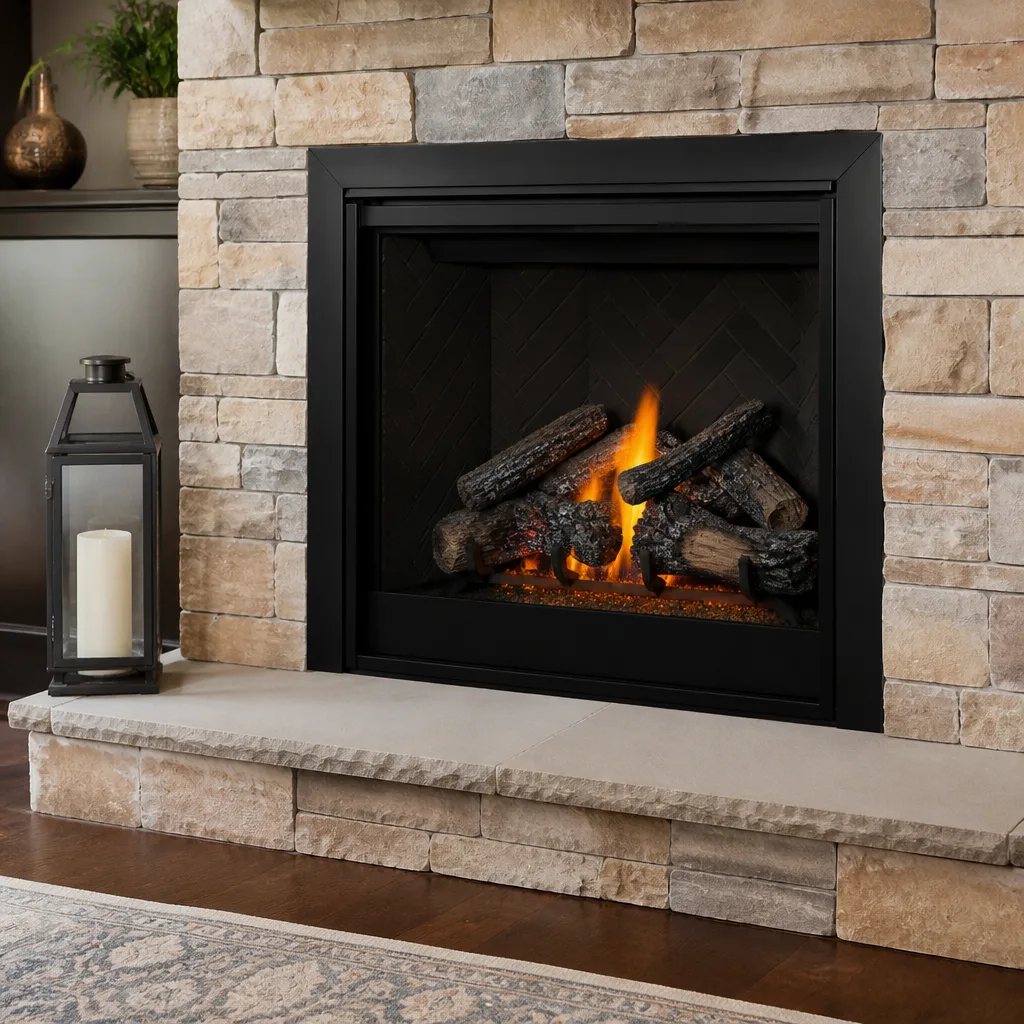 Gas fireplace service
Level 1 sweep and inspection to the NFPA 211 annual standard - flue, crown, cap, and flashing checked and photographed
Chimney sweep logs do not sweep chimneys. They loosen some creosote - which then falls where a brush and vacuum still have to collect it.
Chimney Sweep Maintenance Schedule: What to Do and When
The chimney industry recommends one annual inspection, and that standard gets repeated everywhere as if it fits every house. It was written for average use. It doesn’t account for the homeowner who burns four cords of wood a winter, or the gas insert that runs six hours a day from October through March. A single sweep a year is a minimum floor, not a plan. What you actually need is a calendar tied to how your chimney gets used through the year, season by season. This guide builds that calendar for Carmel homeowners, with the checkpoints, thresholds, and trigger conditions that tell you when maintenance has crossed into repair.
Quick Answer
Chimney maintenance follows four phases: pre-season prep in September, active monitoring through peak burn season from November to February, post-season assessment in March and April, and off-season protection from May through August. Get a professional sweep and inspection before your first fire in fall, watch for creosote and draft changes while you’re burning, assess for winter damage in spring, and keep water out of the flue through summer. Any time you see glaze on the flue walls, gaps in mortar wider than a quarter inch, or water stains on the firebox or ceiling, call a professional regardless of where you are on the schedule.
Styles & brands we work with
- Sweep & inspection
- Caps & crowns
- Flue relining
- Masonry repair
- Gas fireplace service
Table of Contents
- Why One Annual Sweep Isn’t Enough
- Phase 1: Pre-Season Prep (September)
- Phase 2: Peak Burn Season Monitoring (November – February)
- Phase 3: Post-Season Assessment (March – April)
- Phase 4: Off-Season Protection (May – August)
- Out-of-Cycle Triggers: When to Call Regardless of Schedule
- Wood vs. Gas: How Fuel Type Changes the Schedule
- Carmel Climate Factors That Wear a Chimney
- Concrete Thresholds: When Maintenance Becomes Repair
Why One Annual Sweep Isn’t Enough
A chimney is a system that reacts to how hard it works, not to a calendar date. The one-sweep-a-year recommendation assumes moderate use: a few fires a month in cold weather, seasoned wood, a flue that’s been properly sized. In our experience, a lot of Carmel homes don’t fit that profile. Some burn most nights from November through February. Others run a gas insert as a primary heat source. Both put more load on the system than the standard figure accounts for.
Creosote accumulation is a good example. A lightly used fireplace might build up a thin, powdery layer over a full season. A heavily used one can reach a sticky, harder-to-remove stage much faster. The thickness and texture of that deposit are what determine when a sweep is actually needed, and they’re tied to burn hours, wood moisture, and flue temperature, none of which a once-a-year appointment can track.
The same logic applies to moisture. Most chimney damage doesn’t come from fire. It comes from water getting into masonry, mortar, and the flue lining over months and years. In central Indiana, that exposure is concentrated in spring and summer, when a chimney sits idle and the rain keeps coming. A maintenance calendar that only looks at fall sweeping misses the season when most of the wear happens.
So the plan below is a working schedule, not a rulebook. It has four phases, each matched to what the chimney is doing at that point in the year. Use it as a framework. Adjust the intensity based on your own burn habits and what a technician finds at inspection.
Phase 1: Pre-Season Prep (September)
September is the month to get the chimney ready before the first fire, and it’s the most important single point on the whole calendar. Once burning season starts, a problem with draft, the damper, or a cracked flue tile is much harder to address, and much riskier to ignore. A pre-season sweep and inspection catches those issues while there’s still time to fix them.
Here’s what the pre-season phase should cover:
- Full sweep of the flue. A technician removes soot and creosote buildup from the previous season, including any that accumulated during the off-season from moisture and debris.
- Camera inspection of the flue interior. A scope lets the technician see cracks, gaps, and deteriorated joints that can’t be assessed from the firebox alone.
- Damper and smoke chamber check. Verify the damper opens and closes fully and that the smoke chamber doesn’t have rough, oversized surfaces that catch creosote.
- Cap and crown inspection. Look for a missing or cracked cap, and check the crown at the top of the chimney for cracks that let water in.
- Exterior check. Look at the flashing where the chimney meets the roof, and at mortar joints on the outside stack for gaps or crumbling.
- Dryer vent check if you’re on the schedule. If your dryer takes more than one cycle to dry a load, that’s a venting problem and worth addressing in the same visit.
If the inspection turns up a deteriorated flue, relining may be the right call rather than repeated patching. We work with DuraFlex flexible liner systems for exactly this situation, because a properly sized stainless liner restores the flue to code-compliant condition and gives you a surface creosote can’t soak into. For flues that are still structurally sound but have surface damage, HeatShield resurfacing can restore the interior without a full reline. That capability matters, because a basic sweep crew will tell you a flue is bad and hand you a phone number for someone else. We can address what we find in the same visit.
Phase 2: Peak Burn Season Monitoring (November – February)
Once you’re burning regularly, your job shifts from preparation to observation. You’re not doing maintenance during this phase so much as watching for signals that the system is under strain. Most chimney fires and carbon monoxide incidents happen during the burn season, and both start with conditions that give off warning signs well before anything goes wrong.
What to watch for, without getting into the technical weeds:
- Draft changes. A fireplace that suddenly smokes into the room, or a stove that’s harder to light and control, is telling you something changed in the flue. It could be a partial blockage from creosote, a nesting animal, or a shifted liner.
- Creosote smell or visible glaze. If you smell a strong, sharp, tarry odor when the fireplace isn’t burning, or can see shiny, glassy buildup on the firebox walls, the flue has crossed into a stage that needs professional attention before the next fire.
- Smoke coming back. Backdrafting, or smoke that won’t go up the flue, is usually a sign of negative pressure in the house, a blockage, or a flue that’s too small for the appliance.
- Damper sticking. A damper that doesn’t move freely could be warped or have debris jammed against it.
- Wood quality. Wet or green wood produces far more creosote than dry, seasoned wood. If your wood sizzles or smolders, the flue is accumulating faster than the schedule assumes.
For gas inserts, the monitoring focuses on different things: the pilot flame, any soot or discoloration around the vent, and whether the insert still lights reliably. Gas combustion produces moisture, and that moisture interacts with the flue in ways that wood fires don’t. We’ll cover that in more detail in the fuel-type section below.
Don’t sweep during peak burn unless an inspection says you need to. The exception is a heavy user who burns more than a cord and notices any of the warning signs above. In that case, schedule an out-of-cycle inspection rather than waiting for spring.
Phase 3: Post-Season Assessment (March – April)
Spring is when the chimney shows you what winter did to it. Freeze-thaw cycles, which we get plenty of in Carmel, push water into small cracks in mortar and the crown, then expand when it freezes and open those cracks a little wider. By April, the damage from a full winter of that cycle is visible, and it’s much cheaper to repair now than after another season of movement.
Post-season assessment should include:
- Re-inspect the flue. Even if you were swept in the fall, a spring inspection catches any cracks or gaps that opened over the winter.
- Check the chimney crown. Look for new cracks or spalling (flaking or crumbling surface material) that weren’t there in the fall.
- Inspect mortar joints on the exterior. Look for gaps, crumbling, or missing mortar between the brick or stone.
- Check the firebox. Look for cracks in the firebox walls or the firebrick liner, especially after a season of regular burning.
- Inspect the cap and flashing. The cap protects the flue from rain and animals. If it’s damaged or missing, water gets straight into the flue all summer. Gelco caps are a common replacement we install for this exact reason.
- Look for water stains. Stains on the ceiling near the chimney, or dark streaks on the exterior of the stack, indicate water is getting in somewhere.
This is also the phase to decide whether the chimney needs repair now or can wait. We won’t push repair work that isn’t needed yet, and we won’t tell you a liner is failing based on anything other than a photo or camera evidence you can see for yourself. If a repair can safely wait a season, you’ll hear that plainly.
Phase 4: Off-Season Protection (May – August)
Summer is when most chimney damage actually happens, mostly because nobody’s paying attention. The chimney isn’t being used, the flue is open to the outside, and the humid Indiana summer pushes moisture into masonry and flue tiles. That’s the accumulation that shows up as a problem the following fall.
The off-season phase is mostly about keeping water out:
- Cap the flue. A properly fitted chimney cap keeps out rain, snow, birds, squirrels, and nesting debris. If your cap is missing, damaged, or rusted through, replacing it before the rainy season starts is the single highest-value thing you can do for the chimney in summer.
- Seal cracks in the crown. Small cracks in the top surface of the chimney let water in over months. A crown repair now prevents much bigger masonry work later.
- Repoint damaged mortar. Gaps in the mortar joints on the exterior allow water into the brick or stone. Repointing is straightforward seasonal maintenance, not major repair, if it’s caught early.
- Check the flashing around the chimney base. The seal between the chimney and the roof is where most water intrusion starts. If it’s damaged, water gets into the attic and ceiling.
- Keep the firebox dry. If your fireplace doesn’t have glass doors, close the flue damper when not in use to limit humidity and insect entry.
Summer is also a good time to book the fall sweep, because September fills up fast in Carmel. Scheduling in July or August means you’re not the homeowner calling on the first cold night when the fireplace won’t draw.
Out-of-Cycle Triggers: When to Call Regardless of Schedule
The four-phase calendar is the baseline. Certain conditions override it. These are situations where waiting for the next scheduled phase is a bad idea, and where an inspection should happen now.
Call for professional service if any of these occur:
- You smell creosote or a strong tarry smoke smell when nothing is burning. This usually means the flue has accumulated to a dangerous level.
- The fireplace or stove smokes into the room. Backdrafting and reversed draft should be diagnosed before the next fire.
- You can see shiny, glassy creosote on the firebox walls or flue throat. Glaze-stage creosote is harder to remove and burns hotter than the powdery stage.
- You see a crack in the firebox, smoke chamber, or flue tile. Cracks allow carbon monoxide and smoke into the house and need to be assessed by a professional.
- You see or smell smoke in the house during use that wasn’t happening before. Something has changed in the system, and that’s the point to stop burning and have it looked at.
- Water is dripping into the firebox. Water intrusion accelerates masonry damage and often means a missing cap, cracked crown, or failed flashing.
- Birds, squirrels, or other animals are nesting in the chimney. This needs to be cleared before you burn again.
- A chimney fire has happened. Even if it burned out on its own, the flue needs inspection for damage before reuse.
A chimney fire is the reason most of these triggers matter. Creosote is highly combustible, and fires in the flue can reach temperatures hot enough to crack flue tiles and spread into the framing. If you’re not sure whether what you heard was a chimney fire, treat it as one and have an inspection done. The cost of an inspection is small. The reason the industry takes creosote seriously is because these incidents are often preventable with maintenance.
Wood vs. Gas: How Fuel Type Changes the Schedule
Wood and gas don’t wear a chimney the same way, so the same maintenance schedule doesn’t fit both. If you have more than one appliance in the house, or you’re deciding which to focus on, here’s how the load differs.
Wood-burning fireplaces and stoves
Wood smoke produces creosote, which is the main maintenance concern. Creosote comes in stages: a fine powdery soot, a flaky crust, and a heavier, tarry glaze. The glaze stage is the one to worry about, because it’s harder to remove and ignites at lower temperatures. The stage your flue reaches depends on burn hours and wood quality. A household that burns dry, seasoned hardwood and gets a proper pre-season sweep typically stays ahead of it. A household burning wet or unseasoned wood can build up glaze in a single season.
Gas inserts and gas fireplaces
Gas combustion doesn’t produce creosote, so the maintenance focus is different. The concerns with gas appliances are moisture, corrosion, and vent condition. Gas produces water vapor as a byproduct, and in a vented gas insert, that moisture moves through the flue. Over time, it can contribute to rust in a metal vent, corrosion in the liner, and staining around the vent termination. A gas appliance also should be checked for combustion safety and venting adequacy, not just swept. If a gas insert hasn’t been serviced in a few years, an inspection to verify the vent is intact and the appliance is burning cleanly is at least as important as a wood-flue sweep.
What this means for your schedule
If you burn wood heavily, your schedule may call for two sweeps: a thorough pre-season sweep, plus another in mid-to-late season if the flue accumulates faster than expected. If your primary use is a gas insert, the schedule is lighter on sweeps but should still include an annual inspection to verify venting and combustion safety. If you have both, treat them as separate systems with separate maintenance needs, even though they share the same chimney.
We work with a range of materials for both cases, including Olympia Chimney venting components for gas appliance venting and Copperfield products where they’re the right fit. Not every chimney needs the same fix, and one of the reasons we keep product lines from several manufacturers on hand is so the material can be matched to the actual condition of the flue rather than working with whatever happens to be in the closest truck.
Carmel Climate Factors That Wear a Chimney
Central Indiana throws a specific set of conditions at a chimney across the year, and each one pushes wear in a different direction. Recognizing them is the difference between a schedule that makes sense for your house and one copied from a generic checklist.
Freeze-thaw cycles. Carmel winters swing above and below freezing repeatedly. Water gets into small cracks in mortar, crowns, and brick, then freezes and expands, opening those cracks further. By spring, a hairline crack in the crown from the previous fall can be a real gap. This is why the post-season assessment matters so much here, and why sealing cracks in fall before the freeze begins is worth the effort.
Spring moisture intrusion. Indiana spring brings steady rain. Any opening in the crown, flashing, mortar, or cap lets water into the masonry and firebox. Moisture in a flue does double damage: it degrades the masonry, and it combines with creosote deposits to create a corrosive mixture that damages the flue liner more than dry creosote would. Spring is also when gutters back up and water can pour down the outside of the chimney if the roofline sheds badly there.
Summer humidity in unused flues. Summer humidity in central Indiana stays high, and an idle flue with a missing cap is a direct channel for humid air into the chimney structure. Masonry that stays damp through summer is more vulnerable to spalling when the first freeze arrives. A sealed cap and a dry firebox through summer make a real difference to the wear profile of the whole system.
Winter wind exposure. A chimney stack on a two-story Carmel home takes wind load year-round, and winter storms test loose mortar and weak caps. The spring inspection should always include the exterior stack, not just the flue interior.
Concrete Thresholds: When Maintenance Becomes Repair
The line between routine maintenance and real repair is where homeowners most often get taken advantage of, and it’s the part of the schedule worth being specific about. Here are concrete conditions that tell you the chimney has crossed into repair territory.
- Creosote depth. A thin soot layer, up to about one-eighth of an inch, is routine and gets removed in a standard sweep. A layer at or above a quarter inch is heavier and may need a more involved cleaning. A glaze stage, shiny and tarry on the flue walls, indicates the flue has reached a level that needs professional attention before further use.
- Mortar gaps. Hairline cracks are common and not usually urgent. Gaps wider than about a quarter inch, or any joint where the mortar has receded or crumbled deeper than that, need repointing before water gets in behind the masonry.
- Crown cracks. Small hairline cracks in the crown surface can be sealed. A crown with cracks wide enough to show daylight, or with sections that have spalled and detached, needs repair or replacement, not just sealing.
- Flue tile cracks. Cracks in the interior flue tiles, or gaps between tile sections, are a repair issue rather than a maintenance one. They let heat and gases escape into the chimney structure, which is a fire and carbon monoxide concern. This is where a liner assessment becomes relevant, and where options like HeatShield resurfacing or a DuraFlex reline come into play depending on the extent of the damage.
- Water stain patterns. A ring or dark band on the ceiling near the chimney, or a stain that appears on the firebox walls below the damper when the fireplace hasn’t been used, points to water intrusion from above. Staining on the exterior stack means the masonry is holding water.
- Spalling brick or stone. Flaking or crumbling surfaces on the exterior stack mean moisture has worked into the masonry. This usually needs more than a quick repoint.
- Rust in a metal flue or on the damper. Rust on metal components or the damper frame means moisture has been present for a while. Not every bit of rust requires replacement, but it does require assessment.
The point of these thresholds isn’t to turn you into a chimney inspector. It’s to give you something concrete to rely on when you’re deciding whether to book a sweep or call for a repair assessment. If anything on this list sounds familiar, book an inspection. A camera inspection and a straight report on what’s actually there should come with any honest visit. We include photo documentation on every inspection so that you’re not taking a technician’s word for it.
Common Mistakes to Avoid
- Sweeping once a year and calling it maintenance. A single fall sweep protects you from last season’s buildup but doesn’t account for what water does in summer or how fast a heavy burn accumulates creosote. The sweep is a checkpoint, not the whole schedule.
- Skipping the inspection because the sweep “looked fine from the bottom.” A flue can’t be assessed from the firebox. A camera inspection from the top or bottom is the only way to see cracks and gaps in the flue interior, and those cracks are exactly the conditions that matter most for fire safety.
- Burning unseasoned wood because it’s what you have. Wet or green wood produces significantly more creosote than dry wood. If your wood sizzles when you put it on, it’s going to accelerate your maintenance needs and put your flue in a heavier creosote stage than the schedule assumes.
- Ignoring the crown until it fails. Small crown cracks are cheap and easy to seal in fall. Left through winter, they let water into the structure and the repair becomes a crown rebuild. In Carmel’s freeze-thaw pattern, a season of neglect is enough to make the jump.
- Leaving the cap off through summer. An uncapped flue invites rainwater, birds, and squirrels, and lets humid air into masonry for months. Cap replacement is one of the simplest tasks on the whole maintenance list and one of the most commonly deferred.
- Treating a gas insert like a wood fireplace and skipping inspection. A gas insert doesn’t need creosote removal, but it does need vent and combustion safety checks. Assuming a gas insert is “self-cleaning” and ignoring it for years means venting problems, moisture damage, and combustion issues go unaddressed.
- Assuming a sweep must be a full annual event, and a repair must be a separate contractor’s job. If your sweep finds a cracked flue tile or a failing cap, the right move is to address it, not to wait six months for a second contractor. We do drying-vent cleaning, chimney sweep, and chimney repair work so the assessment and the repair don’t have to be two different appointments.
- Overlooking the dryer vent. Your dryer vent is a venting system too, and lint buildup is a fire risk in the same way creosote is. If your dryer takes more than one cycle to dry a load, or the outside vent flap doesn’t open fully during a cycle, the vent needs cleaning.
See the difference
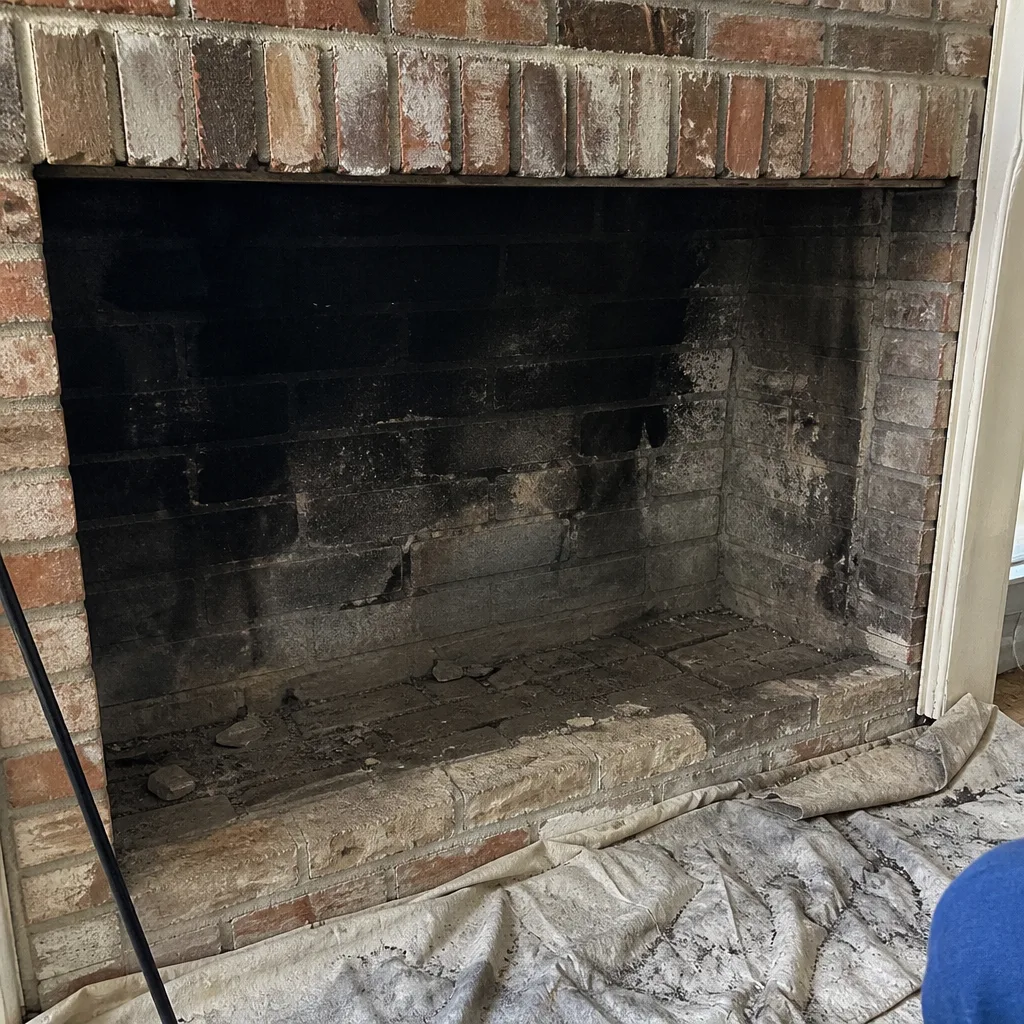 Before
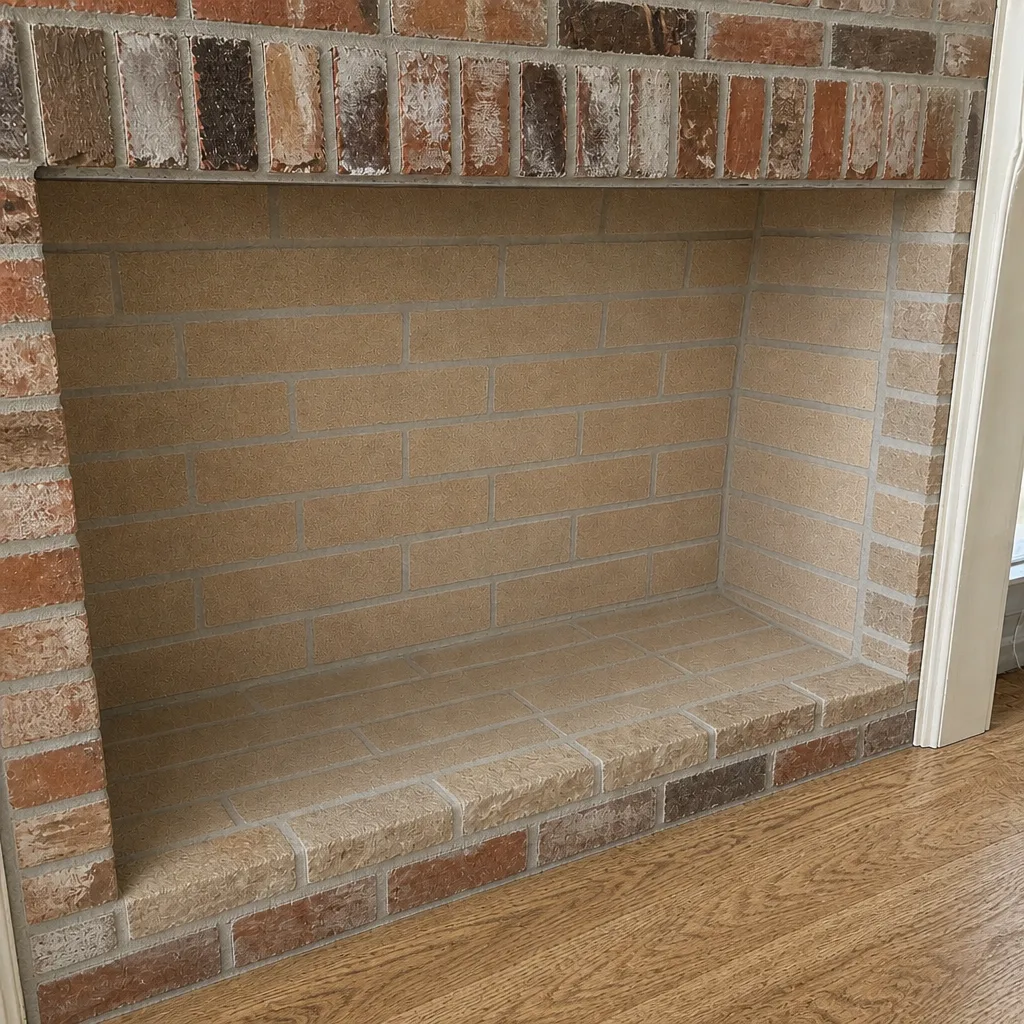 After
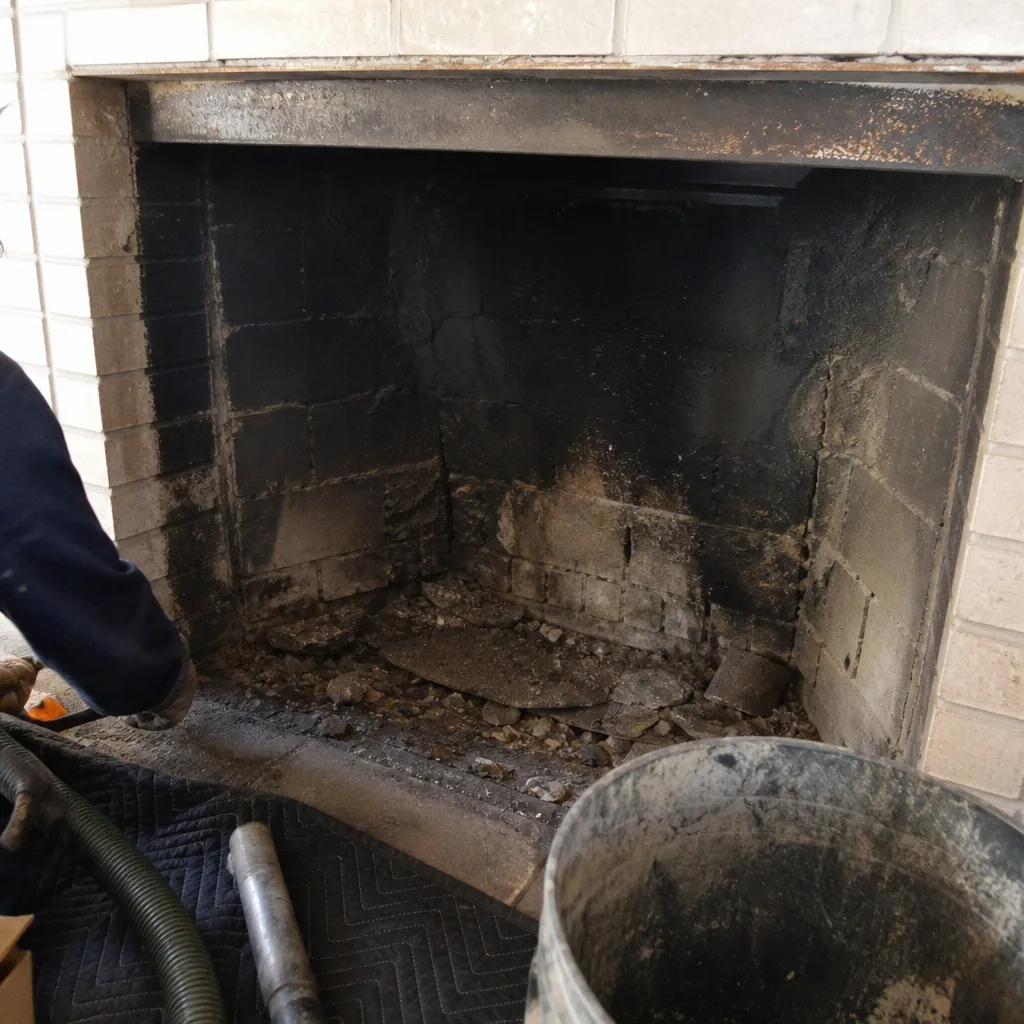 Before
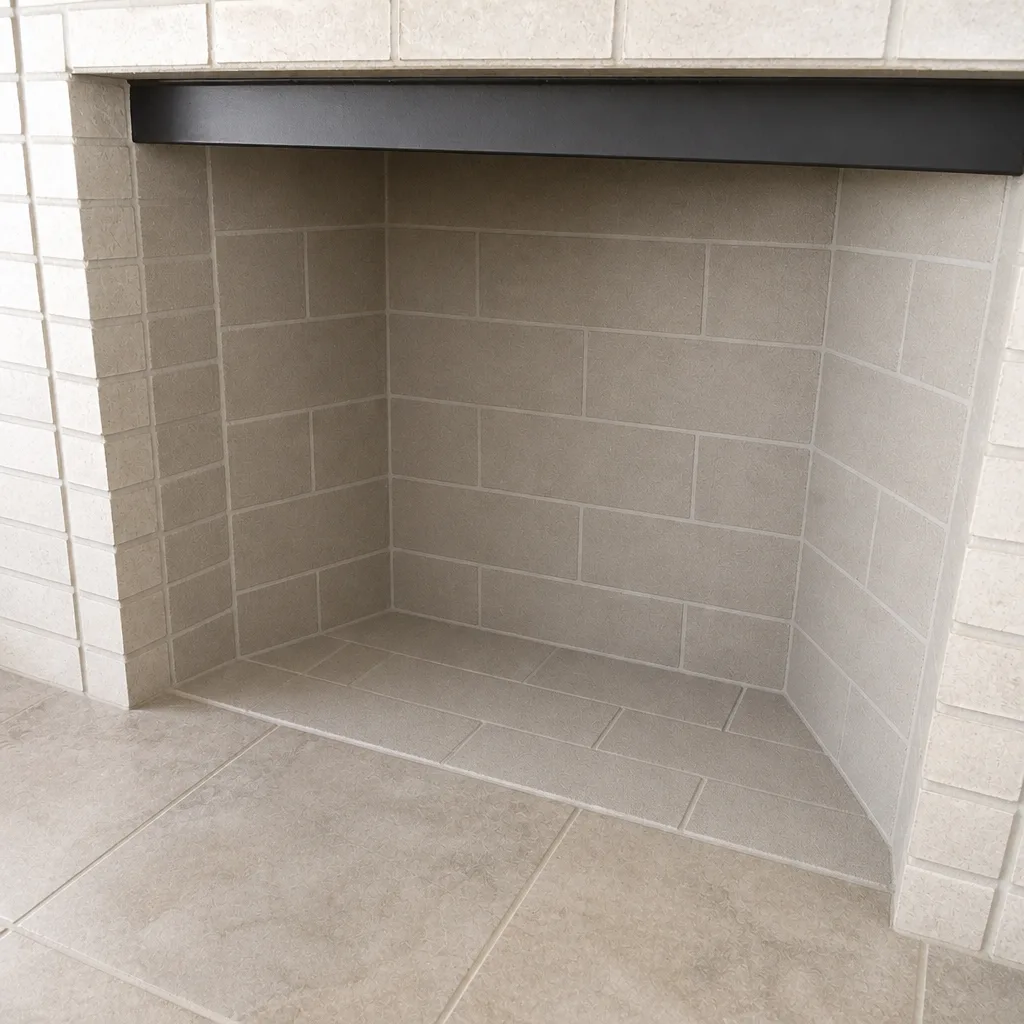 After
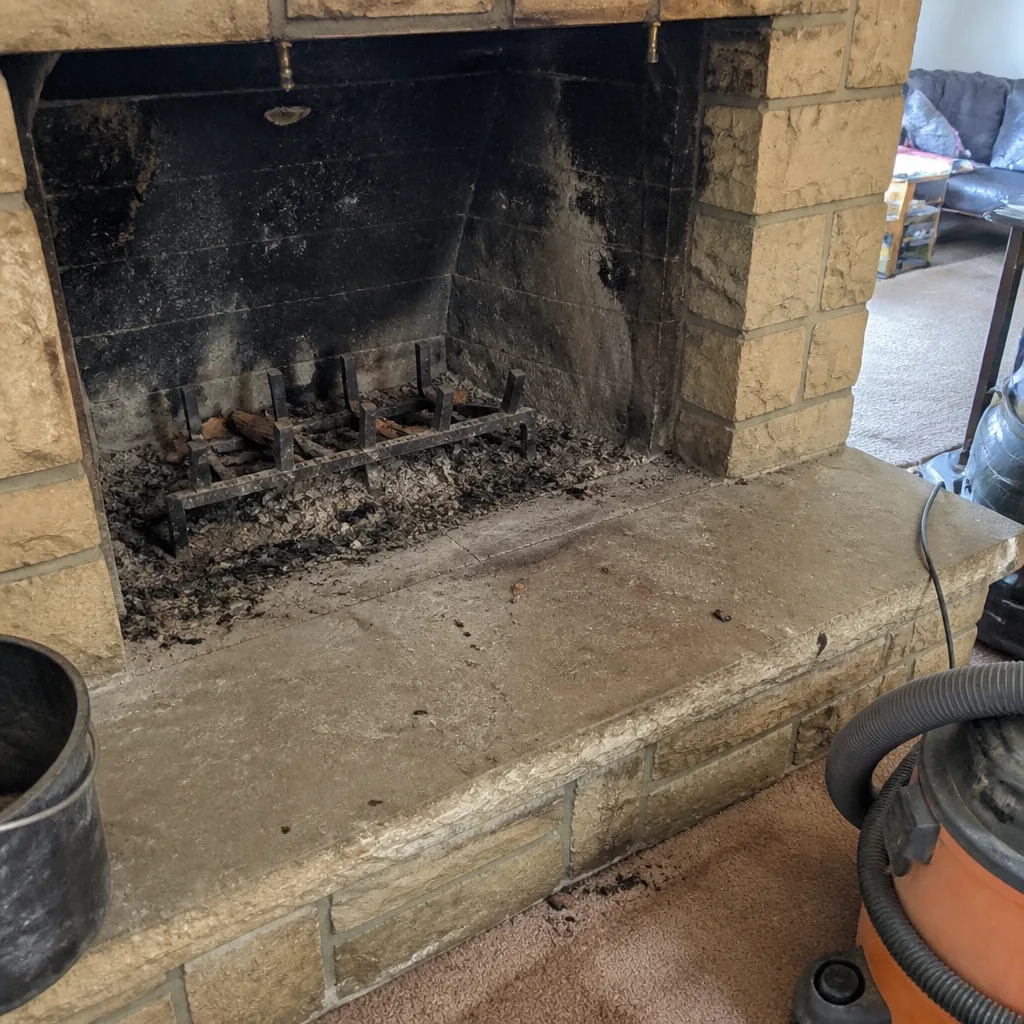 Before
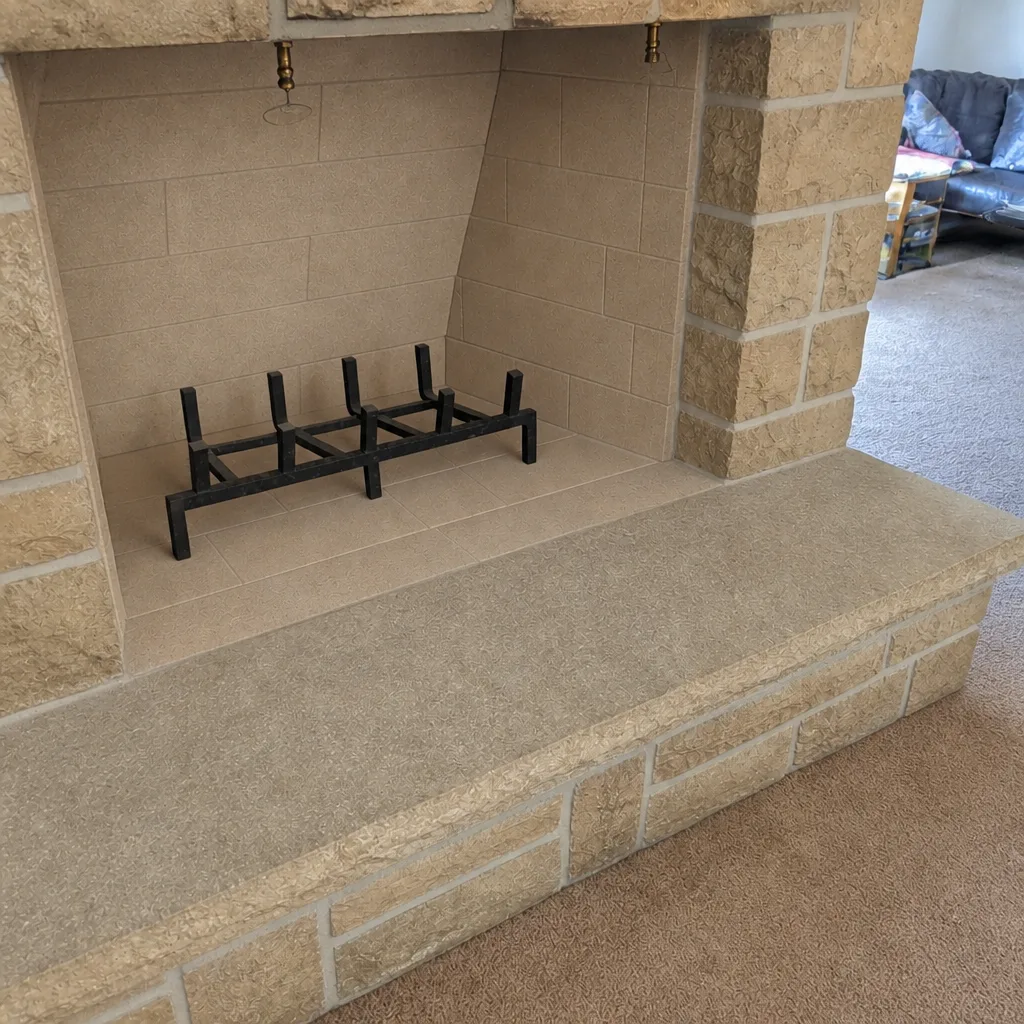 After
When to Call a Professional
Some maintenance you can handle yourself: sealing a crown crack, keeping the cap intact, closing the damper in summer, watching wood moisture. Anything involving the flue interior, the firebox structure, the venting for a gas insert, or relining decisions needs a trained technician. The best time to call is before the season starts, when a sweep and inspection can happen without pressure. Call as soon as you notice any out-of-cycle trigger: smoke in the room, a creosote smell with nothing burning, a visible crack in the firebox or flue, or water in the firebox. Those are signs not to wait. If you’re in the middle of a maintenance schedule and not sure whether the chimney needs a repair or just cleaning, an inspection answers the question. In our experience, a lot of what gets sold as urgent repair can safely wait a season, and we’ll tell you so. Chimney Sweep Carmel offers free estimates across Carmel. Call (833) 436-4994. We answer 24/7. Fast dispatch from 7am to 7pm, Sunday through Friday.
Frequently Asked Questions
Most chimney-frequented homes should be swept and inspected once a year, but that’s a floor, not a ceiling. If you burn wood heavily through the season, sweep in fall and inspect again in spring, and add a mid-season inspection if you notice creosote odor or draft problems. Gas inserts should be inspected annually for venting and combustion safety even though they don’t need a creosote sweep. Call (833) 436-4994 for a free estimate and a schedule matched to your actual use.
September is the best month for a pre-season sweep, before the first fire. The second-best window is late spring, right after burn season ends, so any winter damage gets caught before the summer humidity worsens it. Book either window early, because both get crowded. For a chimney sweep in Carmel, call (833) 436-4994 to get on the schedule.
Visible creosote glaze on the flue walls, gaps wider than about a quarter inch in mortar joints, cracks in the flue tiles or firebox, water stains on the ceiling or firebox, or spalling brick on the exterior stack all point to repair rather than routine maintenance. Any crack in the flue that lets heat or gases escape into the chimney structure is a serious issue. Call (833) 436-4994 to schedule an inspection, and we’ll show you exactly what we find.
No. A fireplace can draw perfectly and still have a cracked flue tile or a failing cap, and those are exactly the issues that don’t show up as a visible problem until they’ve caused damage. The annual inspection is how you find those conditions early, and it’s the cheapest point in the whole maintenance cycle to address them. Call (833) 436-4994 for a free estimate.
A gas insert doesn’t need the creosote removal a wood fireplace does, but it does need an annual inspection of the vent for corrosion, moisture damage, and proper combustion. Gas appliances produce water vapor, and that moisture can damage a vent over time. Treating a gas insert as maintenance-free is a common oversight. Call (833) 436-4994 to schedule a vent inspection, and see the related dryer vent cleaning service if your vent flap isn’t opening fully.
Freeze-thaw cycles through central Indiana winters open cracks in the crown and mortar joints that the summer humidity and spring rains then widen. One skipped season is usually recoverable. Two or three can turn inexpensive crown sealing and repointing into real masonry repairs. For homeowners in Carmel, the most valuable single habit is the annual fall sweep followed by a spring inspection, and we’ll tell you honestly when something can safely wait.
The Bottom Line
A chimney maintenance schedule is four phases, not a single appointment. Pre-season prep in September is your inspection window. Peak burn season from November through February is a time to watch for draft changes and creosote buildup. Post-season assessment in March and April is where winter damage gets caught before it compounds. Off-season protection from May through August is mostly about keeping water out of the flue. If you remember only the concrete thresholds, remember these: creosote glaze on the flue walls, mortar gaps over a quarter inch, cracked flue tiles, and water stains on the ceiling or firebox all mean the chimney needs repair rather than just a sweep. Any crack in the flue, or smoke in the room, is a call-a-professional-now situation, not a wait-for-the-calendar one. The rest of the schedule is yours to build around your own burn habits, and you don’t have to guess at any of it: an inspection with camera evidence tells you exactly what condition your chimney is in, and what, if anything, needs to happen next.
Call Chimney Sweep Carmel at (833) 436-4994 for a free estimate. We answer 24/7. Fast dispatch from 7am to 7pm, Sunday through Friday.
Written by the team at Chimney Sweep Carmel.