
Last updated November 14, 2026
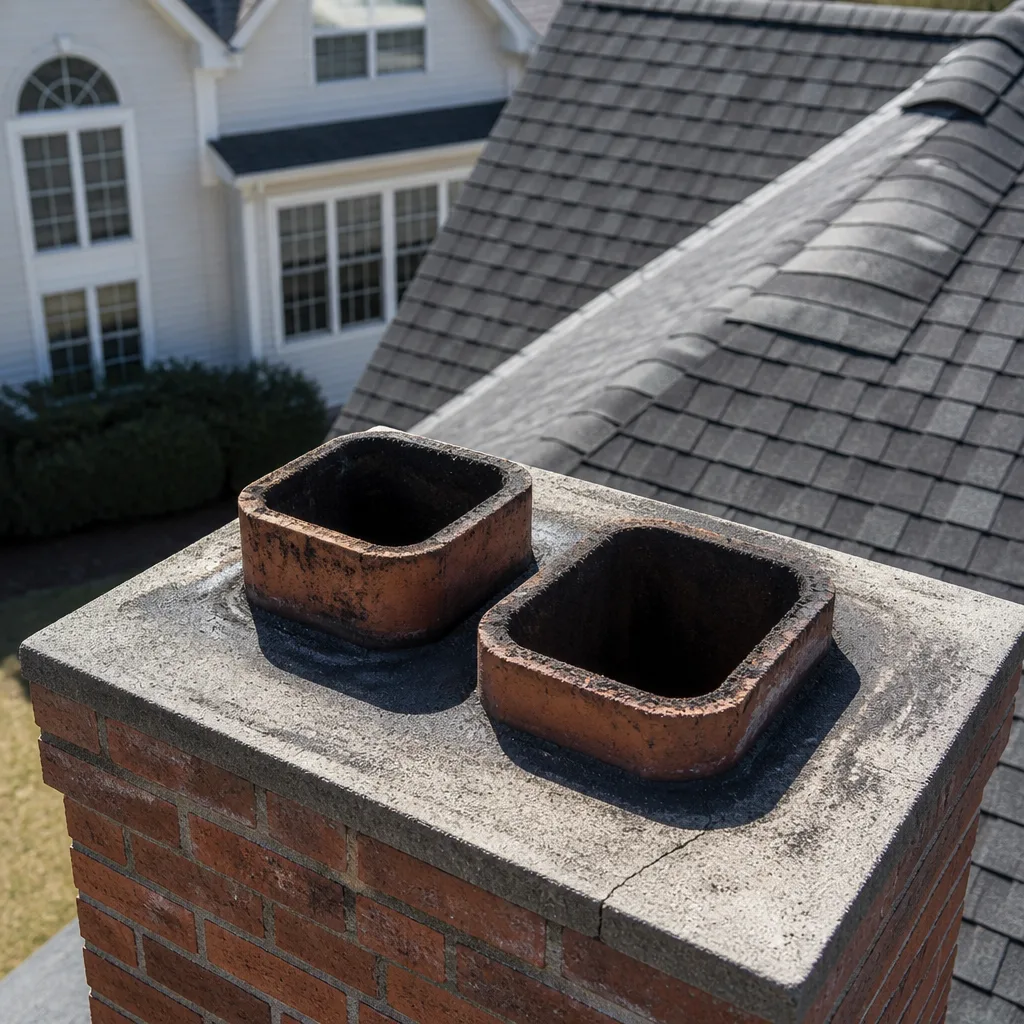 Sweep & inspection
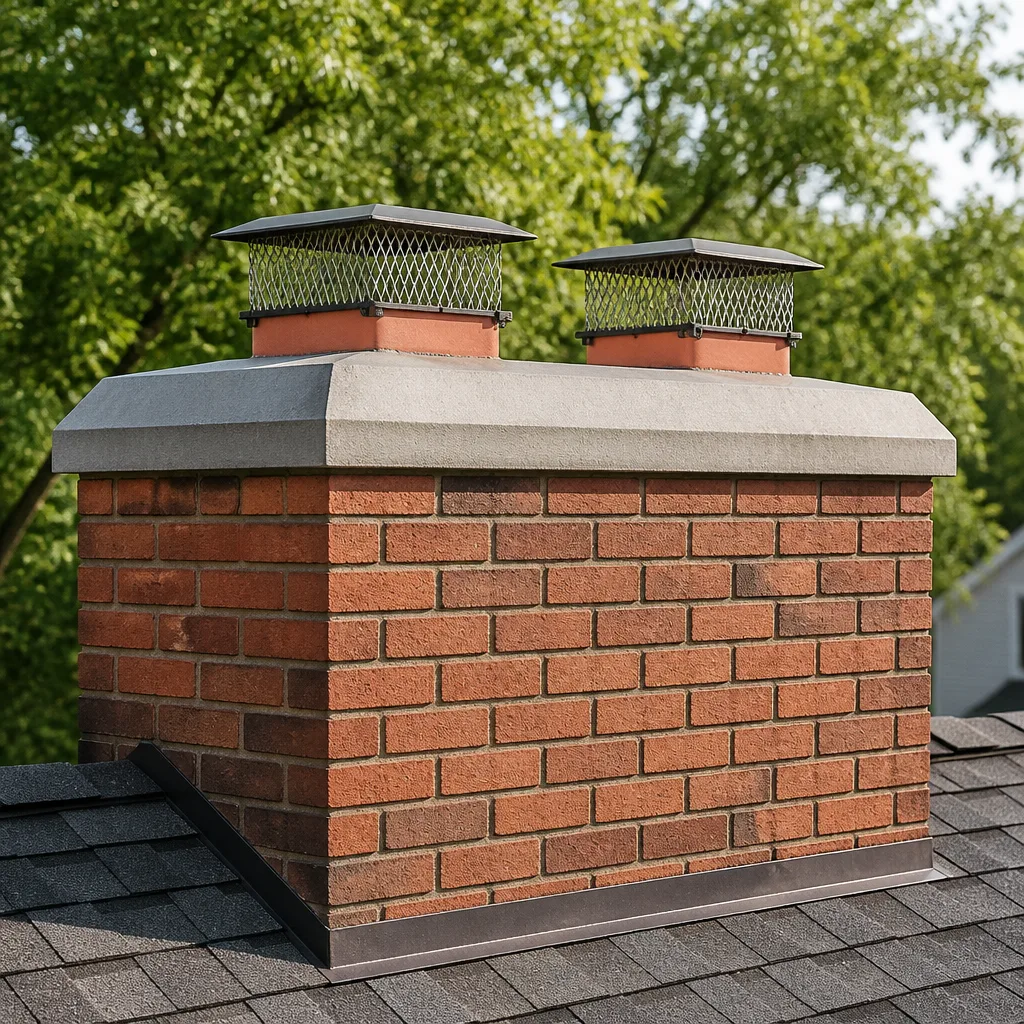 Caps & crowns
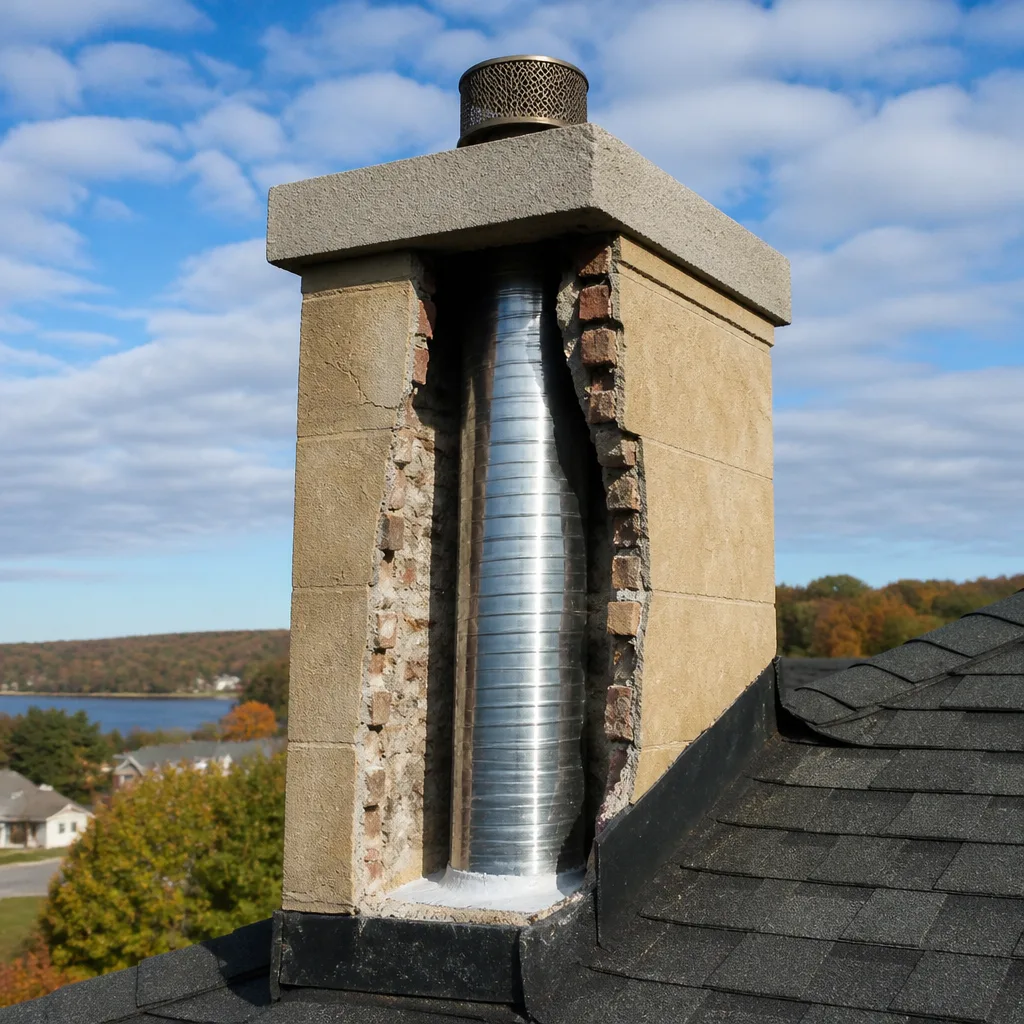 Flue relining
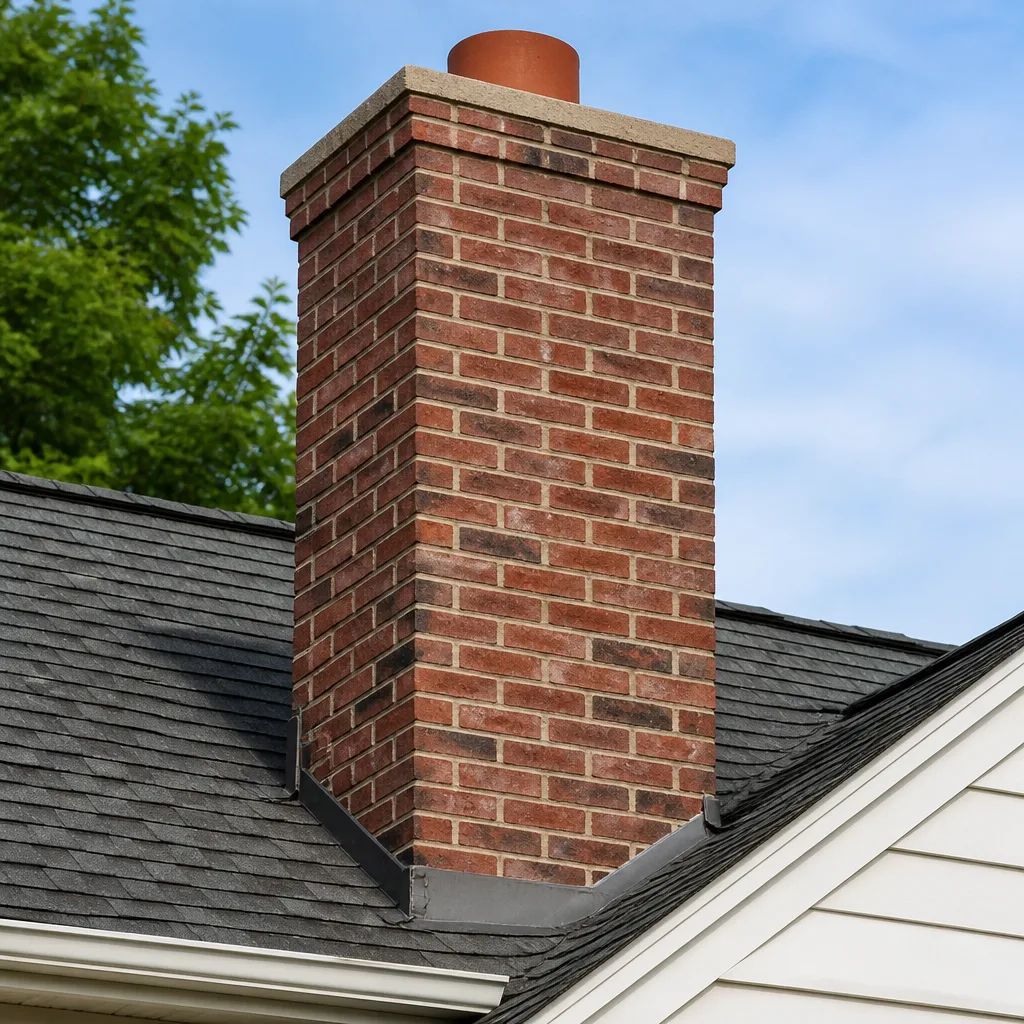 Masonry repair
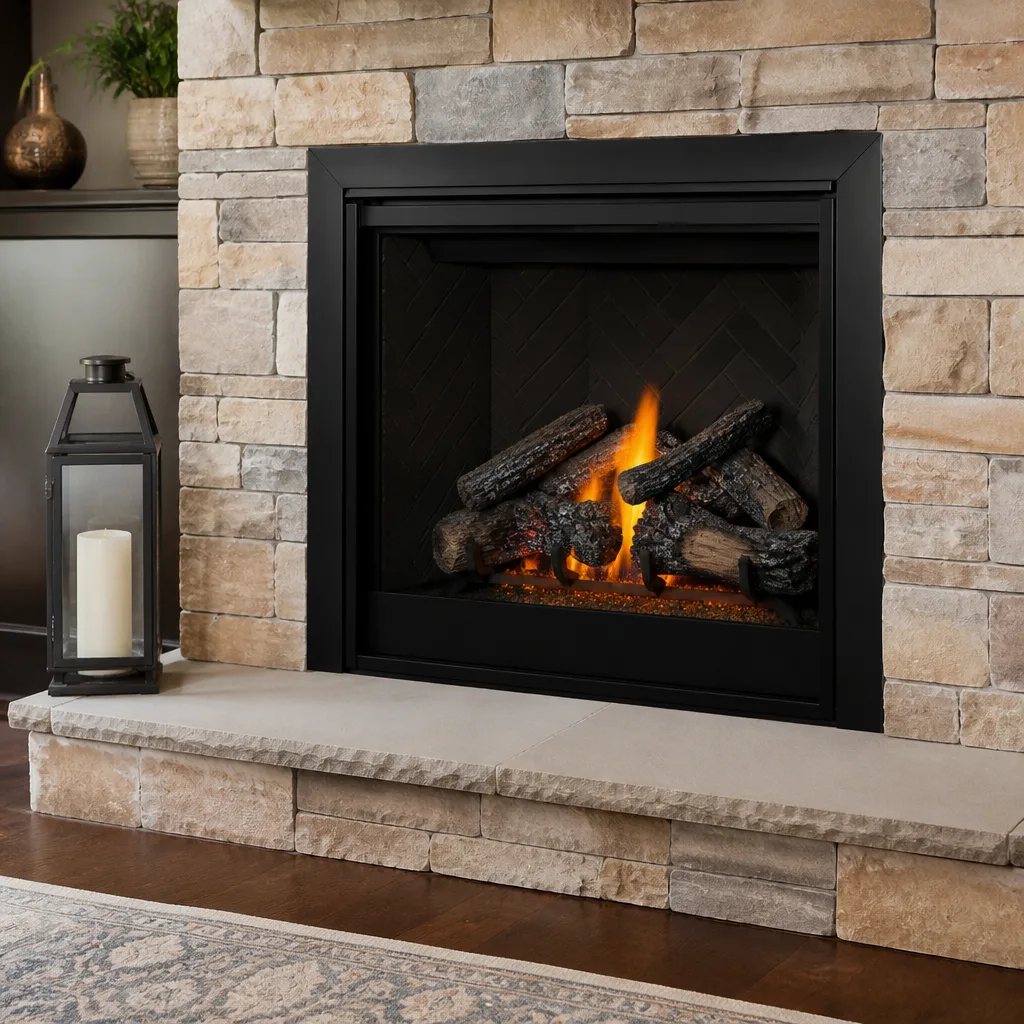 Gas fireplace service
Level 1 sweep and inspection to the NFPA 211 annual standard - flue, crown, cap, and flashing checked and photographed
Chimney sweep logs do not sweep chimneys. They loosen some creosote - which then falls where a brush and vacuum still have to collect it.
Seasonal Chimney Cleaning Care for Carmel: Year-Round Homeowner’s Guide
Most homeowners in Carmel assume January is the month that hurts their chimney. It isn’t. The real damage happens in October and April, when temperatures swing hard between freezing nights and mild afternoons and the masonry cycles between wet and dry conditions day after day. That cycling drives moisture deeper into brick and mortar than steady winter cold ever does. This guide maps the Carmel chimney year month by month, explains why late spring is the highest-value inspection window, and shows what to test before the first fire of fall. You’ll finish knowing exactly what to check, when to check it, and when a professional needs to look.
Styles & brands we work with
- Sweep & inspection
- Caps & crowns
- Flue relining
- Masonry repair
- Gas fireplace service
Quick Answer
In Carmel, schedule a chimney inspection in late April or May, after heating season ends but before summer humidity works its way into stressed masonry, and again in early fall before the first fire. A yearly sweep keeps creosote from building to a level that can ignite, and the shoulder-season inspections catch the moisture and cap problems that cause most long-term chimney damage. Between professional visits, seasonal checks of the cap, damper, and flue are what protect the system.
Table of Contents
- Why Carmel Weather Makes Chimneys Work Harder
- Month-by-Month Chimney Calendar for Carmel
- Why Late Spring Is the Most Valuable Inspection Window
- What Happens Inside a Carmel Chimney in Summer
- The Fall Startup Sequence: Damper, Cap, Liner, Firebox
- Reading Off-Season Odors: Musty, Smoky, and Acrid
- Winter Use: What to Watch While the Fire Is Running
- Common Mistakes to Avoid
- When to Call a Professional
- Frequently Asked Questions
- The Bottom Line
Why Carmel Weather Makes Chimneys Work Harder
Carmel sits in central Indiana, where the climate is genuinely four-season but rarely gentle about the transitions. Winters bring repeated freeze-thaw cycles. Springs arrive wet. Summers run humid. And the shifts between them happen fast, often inside a single week. A chimney is a masonry structure exposed to all of it, and masonry does not like rapid change.
Here’s the mechanism. Brick and mortar absorb moisture when it rains and when humid summer air sits against them. When the temperature drops below freezing, that trapped moisture expands as it turns to ice, and the expansion puts stress on the mortar joints and the brick faces. Then it thaws, drains a little, and the cycle starts again. One hard freeze is survivable. Dozens of them in a season, layered on top of masonry that was already damp, is what spalls brick faces and opens joints.
The other pressure point is interior. A wood-burning fireplace in Carmel gets used hard from November through February, then sits idle from March to October. That idle stretch is when most of the moisture damage and animal intrusion happens, because nobody is looking. A flue that goes from hot and dry in February to cool and damp in June is a flue that’s expanding and contracting with nothing monitoring it.
This is why the seasonal calendar matters more than the annual sweep alone. The sweep clears creosote. The seasonal inspections catch the slower structural problems that Carmel’s climate creates. You need both, and they don’t always happen on the same visit.
Month-by-Month Chimney Calendar for Carmel
This calendar is built for Carmel’s actual weather rhythm, not a generic Midwest average. Treat it as a planning guide and adjust for the year you’re having.
- January and February: Peak burn season. Watch for smoke rolling back into the room, a damper that sticks, or a fire that’s harder to start than last year. Those are symptoms worth noting, not fixing mid-season unless they’re severe.
- March: The last fires. Once you stop burning, close the damper and note the date. That tells you how much burn time the flue just absorbed.
- April and May: The inspection window. Book the sweep and inspection now, while the masonry is drying out after winter and before summer humidity settles in. This is the single most valuable appointment of the year.
- June through August: Off season. Check the cap after storms, watch for odors, and keep an eye out for birds or squirrels around the chimney top.
- September: Pre-season check. Look at the cap, test the damper, and confirm nothing moved into the flue over summer. Book the fall inspection if you haven’t.
- October: The first fire. Run the full startup sequence below before you light it.
- November and December: Full burn season. Note any changes in draft, smell, or smoke behavior.
If you only do two things all year, do the late spring inspection and the September pre-season check. Those two touchpoints cover the transition periods that cause most of the damage in Carmel.
Why Late Spring Is the Most Valuable Inspection Window
April and May are the highest-value months to have a chimney looked at in Carmel, and most homeowners skip them entirely. The reasoning is straightforward once you see it.
By the end of heating season, the flue has taken on a full winter of creosote deposits and a full winter of freeze-thaw stress. The masonry has absorbed moisture from snowmelt and spring rain. Everything the chimney will struggle with over summer is already in place by May. If you inspect in April, you catch it before summer heat and humidity push that moisture deeper and before a small joint crack becomes a bigger one.
There’s a second reason. A chimney that’s checked in spring gets any needed repair done before the summer, which means the repair has time to cure and settle before the first fire of fall. A cap replaced in October has no time to prove itself. A cap replaced in May has a whole season of weather behind it by the time you need it.
What a spring inspection covers in Carmel:
- Creosote level in the flue, measured and recorded
- Mortar joints and brick faces on the exterior, checked for spalling and cracking
- The crown, which is where water gets in most often
- The cap and spark screen, checked for winter damage and animal entry
- The damper, tested for smooth operation
- The firebox, checked for cracked firebrick and deteriorating mortar
When we find a problem in spring, we can usually address it on the same visit. We work with HeatShield for liner resurfacing when a flue is pitted or deteriorated but still structurally sound, and with DuraFlex flexible liner systems when a flue needs full relining. Having those materials on hand at the time of inspection is what turns a spring visit into a spring fix instead of a fall scramble.
A spring inspection is also the right time to ask whether you need a full chimney sweep or just a check. If your burn season was light, an inspection alone may be enough.
What Happens Inside a Carmel Chimney in Summer
A chimney in summer is not idle. It’s a dark, sheltered, temperature-stable vertical shaft, which is exactly what wildlife looks for. Birds, squirrels, and raccoons all find chimney tops appealing, and a cap that’s even slightly loose or missing a screen is an open door.
Humidity is the bigger issue. Carmel summers run humid, and a chimney that’s been closed up since March holds that moisture against the masonry for months. The exterior brick wicks it in, the interior flue holds it, and the crown, if it has any crack at all, lets water straight down into the structure. This is where the slow damage happens: efflorescence (the white crusty staining on exterior brick), soft mortar, and eventually spalling brick faces.
Then there’s thermal expansion. A flue that heated and cooled all winter is now sitting at a stable summer temperature, and the masonry relaxes and shifts slightly. Small cracks that were cosmetic in spring can widen over summer. This is why the September check matters: it catches what the summer changed.
What to check in September before the first fire, in order:
- Look at the cap from the ground. Is it level? Is the spark screen intact? Any debris on top?
- Open the damper. Does it move smoothly, or is it stiff or stuck?
- Shine a light up the flue. You’re looking for obvious blockage, bird nests, or heavy debris.
- Look into the firebox. Cracked firebrick or crumbling mortar needs a professional look before you burn.
- Check for odors when the house is closed up. A musty or smoky smell in September means something is damp or blocked.
If anything on that list looks wrong, or you just aren’t sure what you’re seeing, that’s the moment to book an inspection. A clear flue means no creosote buildup and no blockage, and the way to be sure is to have it looked at by someone who knows what to look for.
The Fall Startup Sequence: Damper, Cap, Liner, Firebox
The first fire of the season should not be a test. It should be the confirmation that a sequence of checks already passed. Run them in this order in Carmel, because each one affects what you see in the next.
Step 1: The damper. Open it fully and close it again. It should move without force and seat fully when closed. A damper that sticks open lets heated room air escape up the flue all winter. A damper that sticks closed is a smoke problem waiting to happen. If it doesn’t move freely, stop and get it looked at before lighting anything.
Step 2: The cap and crown. From the ground, look at the cap’s condition and the crown’s surface. The crown is the concrete top around the flue, and it’s the chimney’s first line of defense against water. Any visible crack in the crown is a path for water. The cap should be secure and screened. If you see damage on either, book a repair. We stock Gelco caps and can replace a failed cap on the same visit as an inspection.
Step 3: The liner. This is the check most homeowners can’t do themselves, because it requires looking down the full length of the flue with the right light and knowing what a sound liner looks like versus a pitted or cracked one. A clay tile liner with cracked tiles, or an unlined flue, needs professional attention. This is not a place to improvise. A compromised liner lets heat and combustion gases reach the surrounding structure, and that’s a carbon monoxide and fire risk, not a cosmetic issue. If a liner needs work, HeatShield resurfacing can restore a sound-but-deteriorated flue, and DuraFlex liners handle flues that need a full new lining. Both are repairs we can do rather than refer out.
Step 4: The firebox. Look at the firebrick and the mortar between it. Hairline cracks in the firebrick are common and not automatically a problem. Crumbling mortar, displaced bricks, or a crack you can fit a coin into means the firebox needs repair before you burn. The firebox takes the most direct heat of any part of the system, and it’s the part homeowners inspect least.
Run this sequence in September or early October. If everything passes, light the first fire with confidence. If anything fails, you’ve got time to fix it before you need it.
Reading Off-Season Odors: Musty, Smoky, and Acrid
A chimney that smells in summer is giving you a diagnostic clue, not just a nuisance. The type of smell tells you what’s going on, and in Carmel the three common ones point to three different problems.
Musty. A musty smell means moisture. It’s the smell of damp masonry and it usually means water is getting in somewhere: a cracked crown, a failed cap, or deteriorating mortar letting rain into the structure. Musty odors often show up in humid Carmel summers when the air is heavy and the chimney is holding moisture. Left alone, that moisture is what drives the freeze-thaw damage come winter. If your chimney smells musty in July, you want it inspected before fall.
Smoky. A smoky smell in the off season means creosote. Creosote is the residue left by wood smoke, and it has a strong, sharp, smoky odor that gets worse in warm, humid weather. A smoky smell is a signal that the flue has a meaningful creosote load and is due for cleaning. It’s also a reminder of why the cleaning matters: creosote is the fuel in a chimney fire. The smell is the early warning, well before the risk.
Acrid. An acrid, sharp, almost chemical smell is the one to take most seriously. It can indicate a blocked or partially blocked flue, a dead animal in the chimney, or combustion gases not venting as they should. In a house with a gas appliance venting into the same chimney system, an acrid smell is a reason to stop and have it checked before using anything connected to that flue.
Odors are seasonal diagnostics. Note when they appear and what they smell like, and tell the technician. That information shortens the diagnosis considerably.
Winter Use: What to Watch While the Fire Is Running
Once the season starts, you’re not inspecting, you’re observing. A few changes are worth noting and acting on.
- Draft changes. A fire that suddenly drafts poorly, with smoke spilling into the room, is telling you something changed. Stop burning and get it checked.
- Smell changes. A new sharp or smoky smell during use can mean creosote is building faster than expected or the flue is partially blocked.
- Burn quality. Wet wood and smoldering fires produce more creosote than hot, dry fires. If your wood supply is damp, expect more buildup.
- Exterior changes. New staining, white crust, or crumbling on the exterior brick during winter is worth a look once the season ends.
None of these are reasons to panic. They’re reasons to write it down and address it in the spring inspection. The exception is smoke backing into the room or any sign of a blocked flue, which is a stop-and-call situation.
Common Mistakes to Avoid
- Treating the annual sweep as the whole job. A sweep clears the flue, but it doesn’t check the crown, the cap, or the exterior masonry. In Carmel, those are where the seasonal damage shows up first.
- Skipping the spring inspection. Most homeowners book in fall, right before they want to burn. That’s the busiest window and the one where repairs have the least time to settle. April and May give you a full season of buffer.
- Ignoring a summer smell. A musty or smoky odor in July is a diagnostic clue. Waiting until October means the moisture has had four more months to work into the masonry.
- Assuming a cap is fine because it’s still there. A cap with a torn screen or a loose fit still looks like a cap from the ground. Check the screen, not just the silhouette.
- Burning unseasoned wood to stretch a supply. Wet wood produces more creosote, and creosote is what fuels a chimney fire. Dry wood is the cheapest chimney protection there is.
- Treating a cracked crown as cosmetic. The crown is the roof of the chimney. Every crack in it is a direct path for water into the structure, and water is the leading cause of long-term chimney damage in this climate.
- Letting the dryer vent go. Your dryer vent is a venting system too, and a clogged one is a fire risk. If your dryer takes multiple cycles to dry a load, that’s the signal to have it cleaned.
When to Call a Professional
Some chimney work is a homeowner check. Some isn’t. Call a professional if you see smoke backing into the room during a fire, smell an acrid or chemical odor near the fireplace, notice crumbling mortar or displaced firebrick in the firebox, or see a cracked crown or damaged cap. Call if your flue has never been inspected, if you’ve moved into a home in Carmel with an unknown chimney history, or if it’s been more than a year since the last sweep. Call if the damper sticks, if the fire is harder to start than it used to be, or if your dryer takes more than one cycle to dry a load. And call if you’re just not sure what you’re looking at up there, because guessing is the expensive option. The Chimney Sweep Carmel team handles chimney sweeping, chimney repair, and dryer vent cleaning as three parts of the same venting-safety picture, and we can repair what we find rather than handing you a list and a referral.
Frequently Asked Questions
Once a year for most wood-burning fireplaces, and more often if you burn heavily or burn unseasoned wood. The annual sweep clears creosote before it reaches a level that can ignite. In Carmel’s climate, pairing that sweep with a spring inspection covers both the creosote and the moisture damage that the seasons create.
Because late spring catches the damage before summer makes it worse. By April or May, the flue has taken a full winter of creosote and freeze-thaw stress, and the masonry is drying out. Inspecting then means any repair has the whole summer to cure before you need the chimney again in fall.
It means moisture is getting into the masonry somewhere. The usual culprits are a cracked crown, a failed cap, or deteriorating mortar joints. A musty smell in a humid Carmel summer is worth an inspection before fall, because that moisture is what drives freeze-thaw damage in winter.
You can check the damper, the cap from the ground, and the firebox for obvious damage. You should not inspect the liner yourself. A proper liner inspection requires looking down the full length of the flue with the right light and knowing what a sound liner looks like. If anything looks off, have it checked professionally.
A smoky smell points to creosote buildup in the flue. An acrid or chemical smell is more serious and can indicate a blocked flue, an animal in the chimney, or combustion gases not venting properly. An acrid smell is a reason to stop using the fireplace and get it checked.
Yes. We provide chimney sweeping, chimney repair, and dryer vent cleaning for homeowners in Carmel and the surrounding area. Our technicians have up to 15 years of experience, and we work with professional-grade materials including HeatShield, DuraFlex, Gelco, and Olympia Chimney so we can repair what we find on the same visit.
The Bottom Line
Carmel’s chimney damage doesn’t happen in January. It happens in October and April, in the shoulder seasons when temperature swings are sharpest and masonry is cycling between wet and dry. That’s why the calendar matters as much as the sweep. Book the late spring inspection to catch winter damage before summer deepens it. Run the September startup sequence before the first fire. Read off-season odors as diagnostic clues, not annoyances. And remember that a chimney is a venting system that needs the same seasonal attention as anything else in the house. The homeowners who get the most out of their chimney are the ones who treat it as a year-round system, not a seasonal afterthought.
If you’d like a professional eye on your chimney this season, call Chimney Sweep Carmel at (833) 436-4994 for a free estimate. We answer 24/7. Fast dispatch from 7am to 7pm, Sunday through Friday.
Written by the team at Chimney Sweep Carmel.
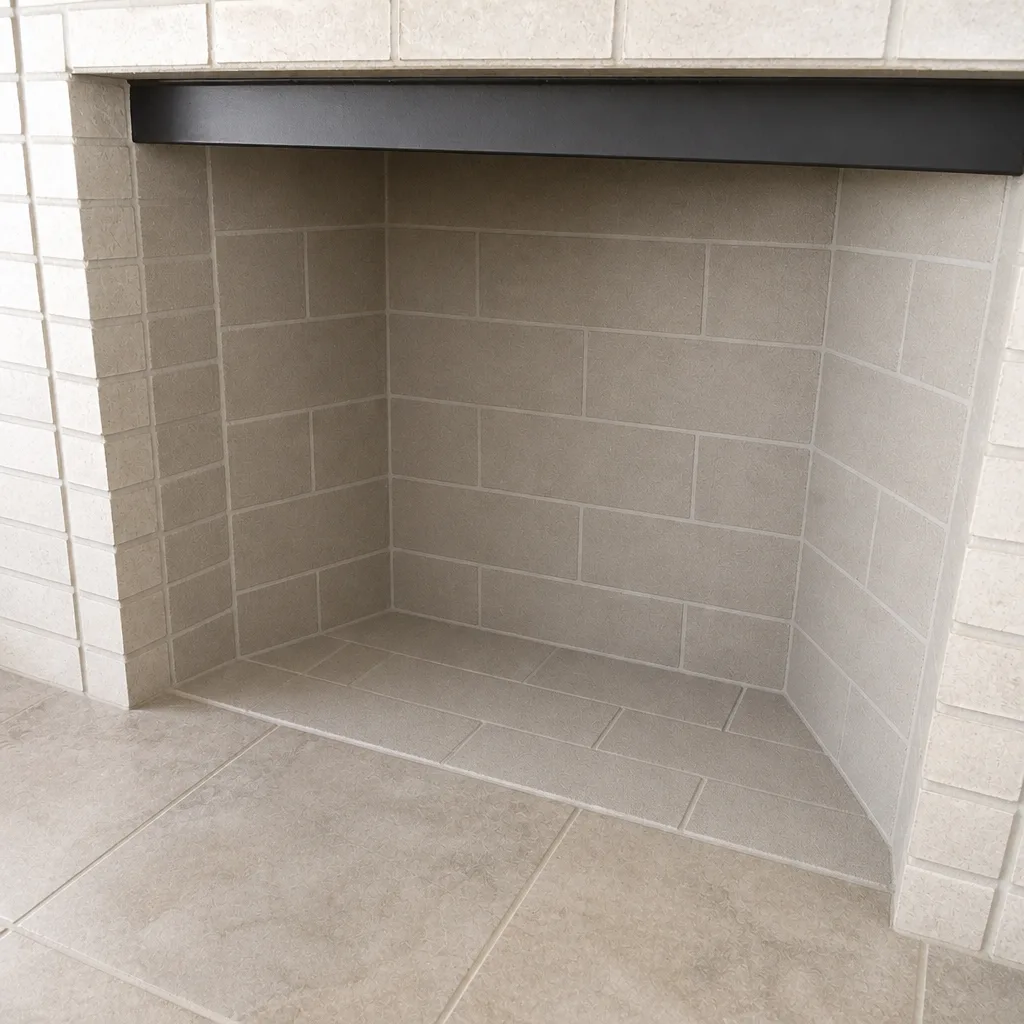
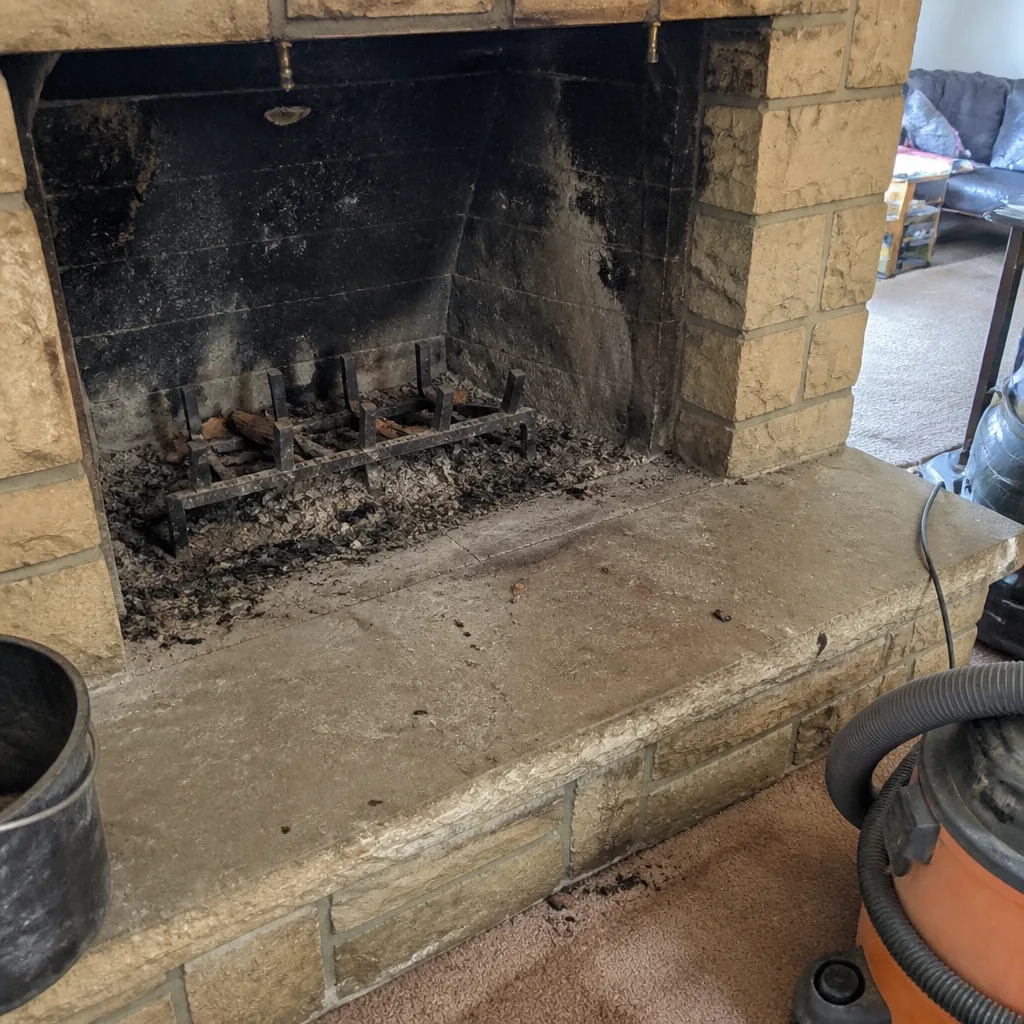
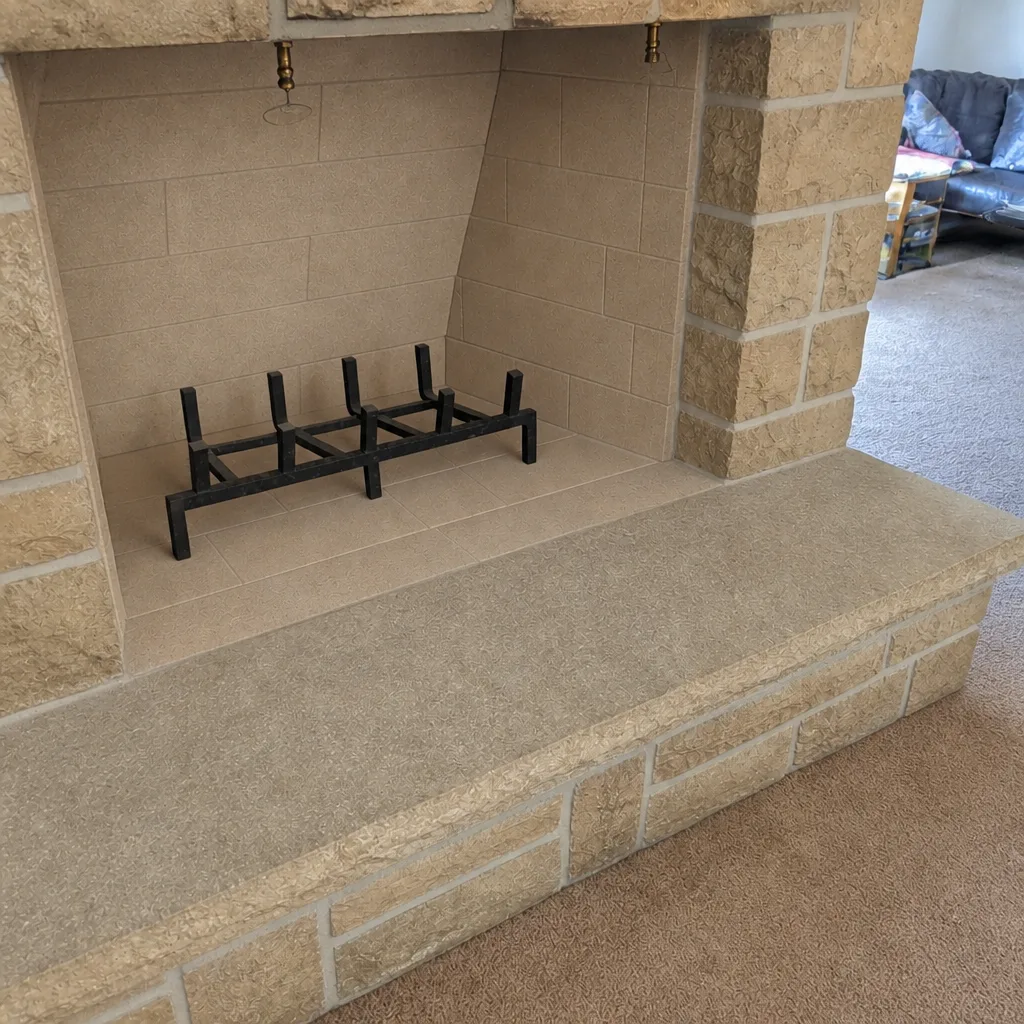
See the difference
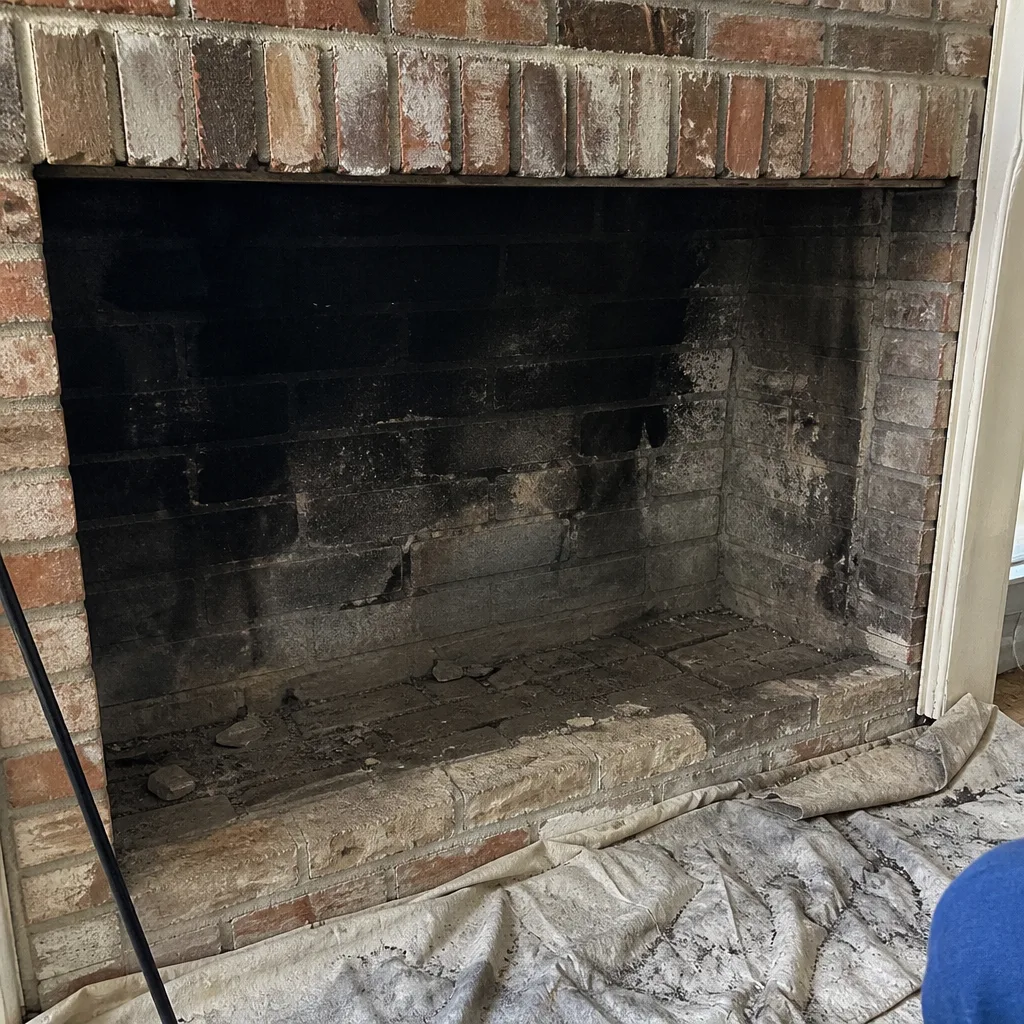 Before
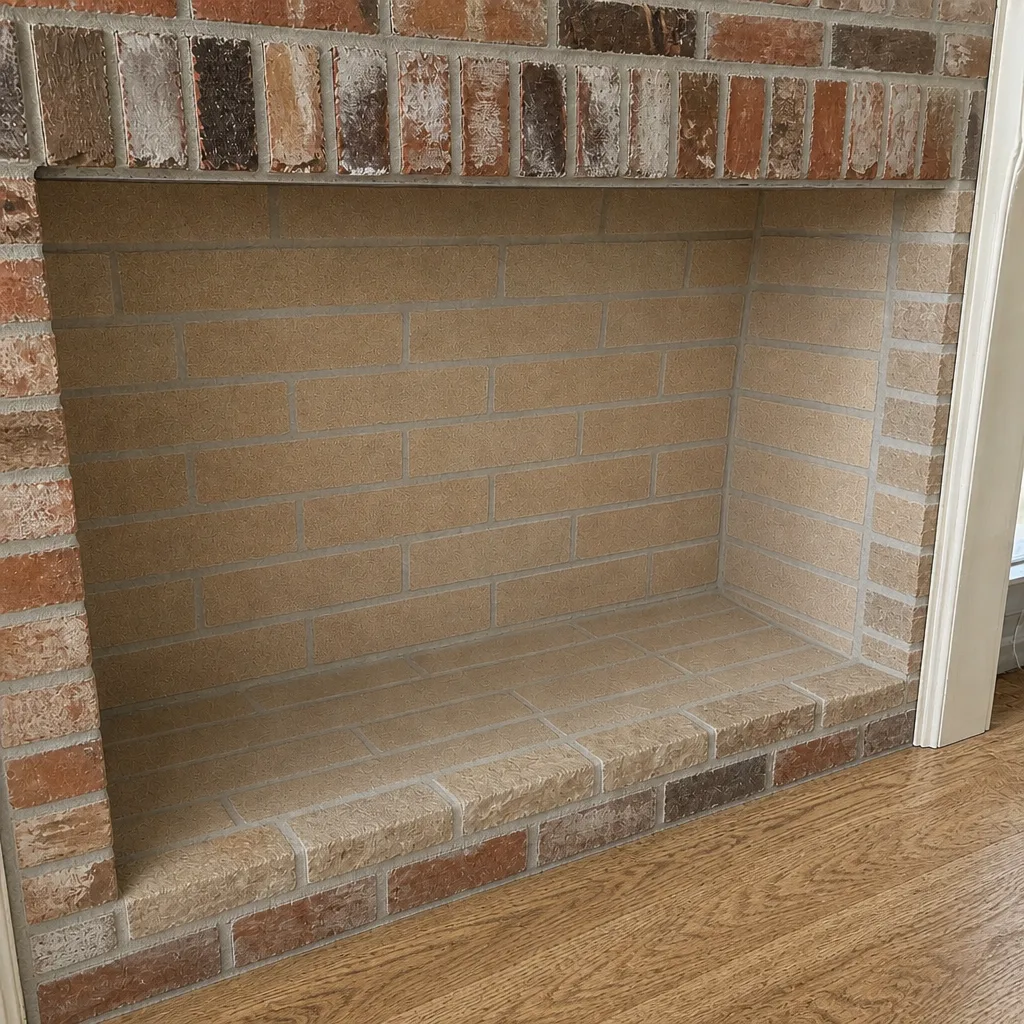 After
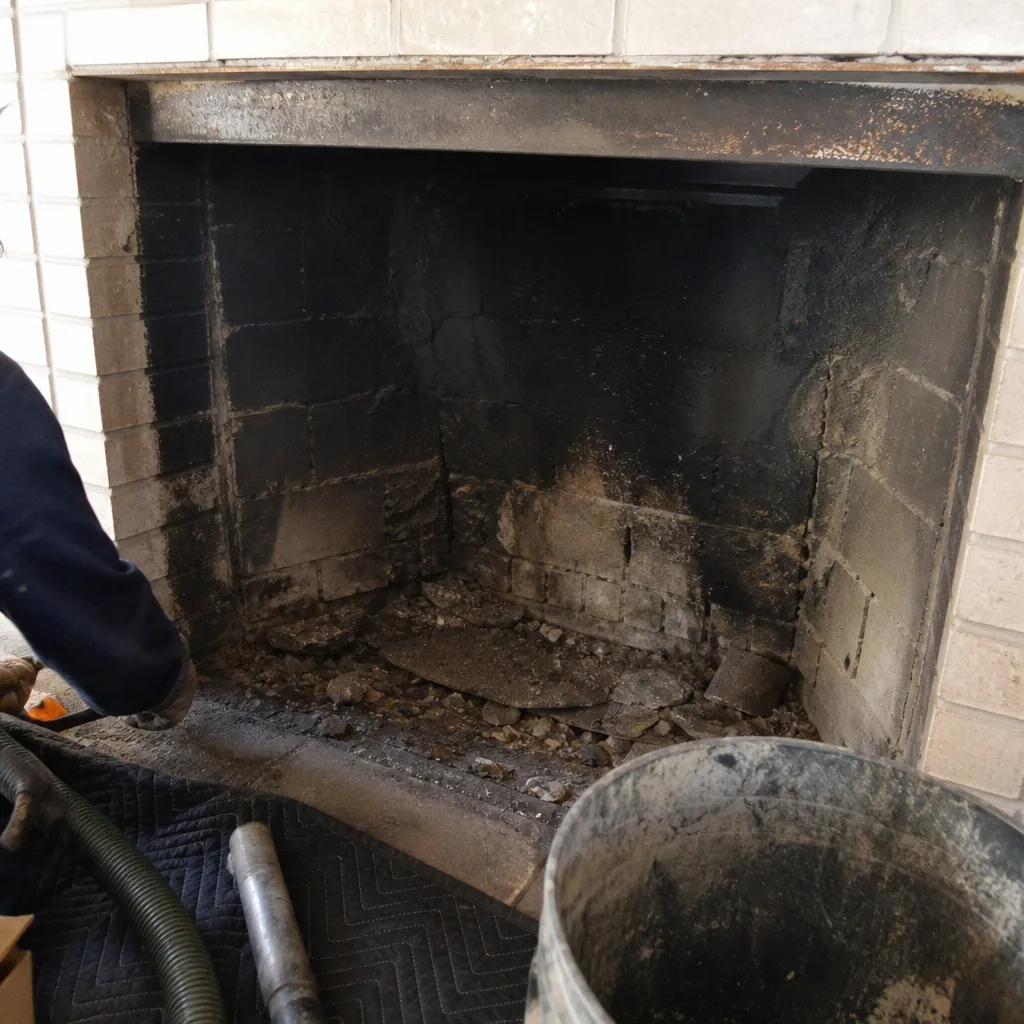 Before
 After
 Before
 After