

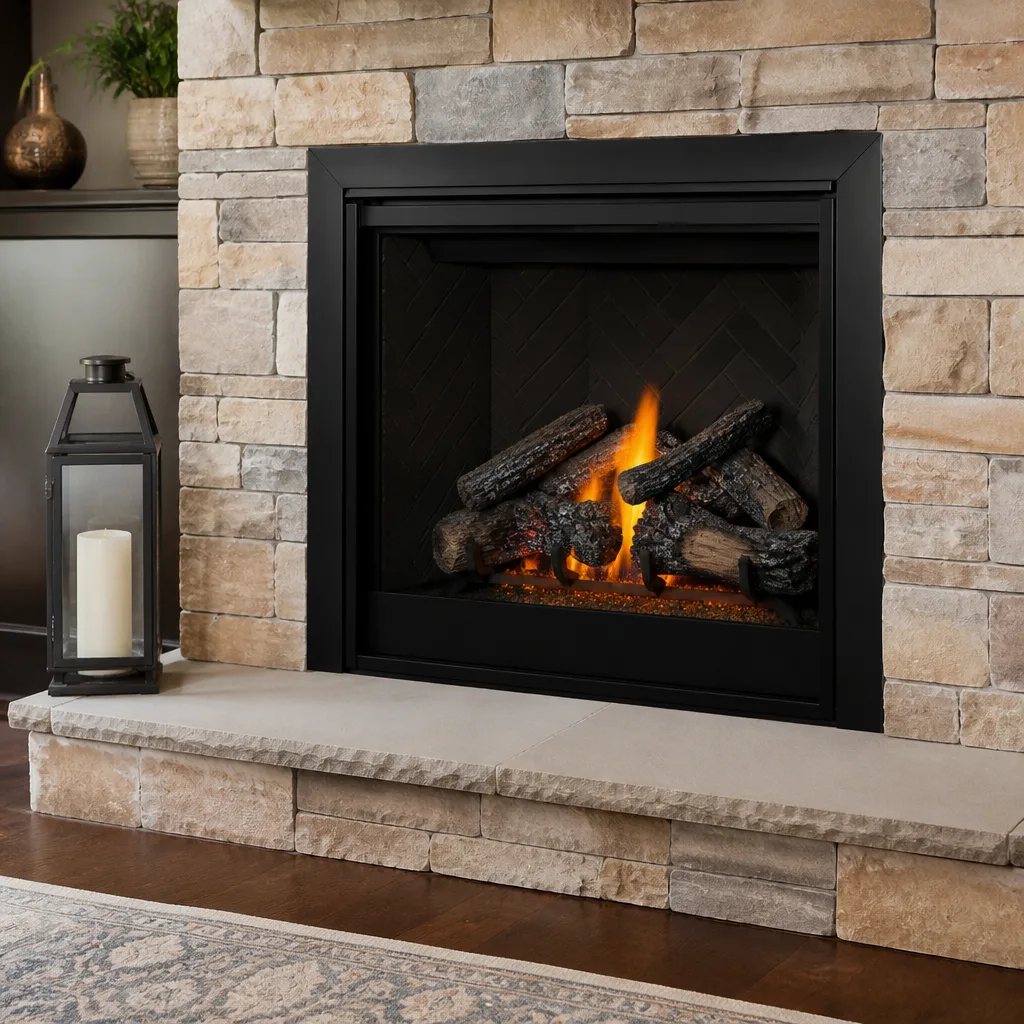
 Gas fireplace service
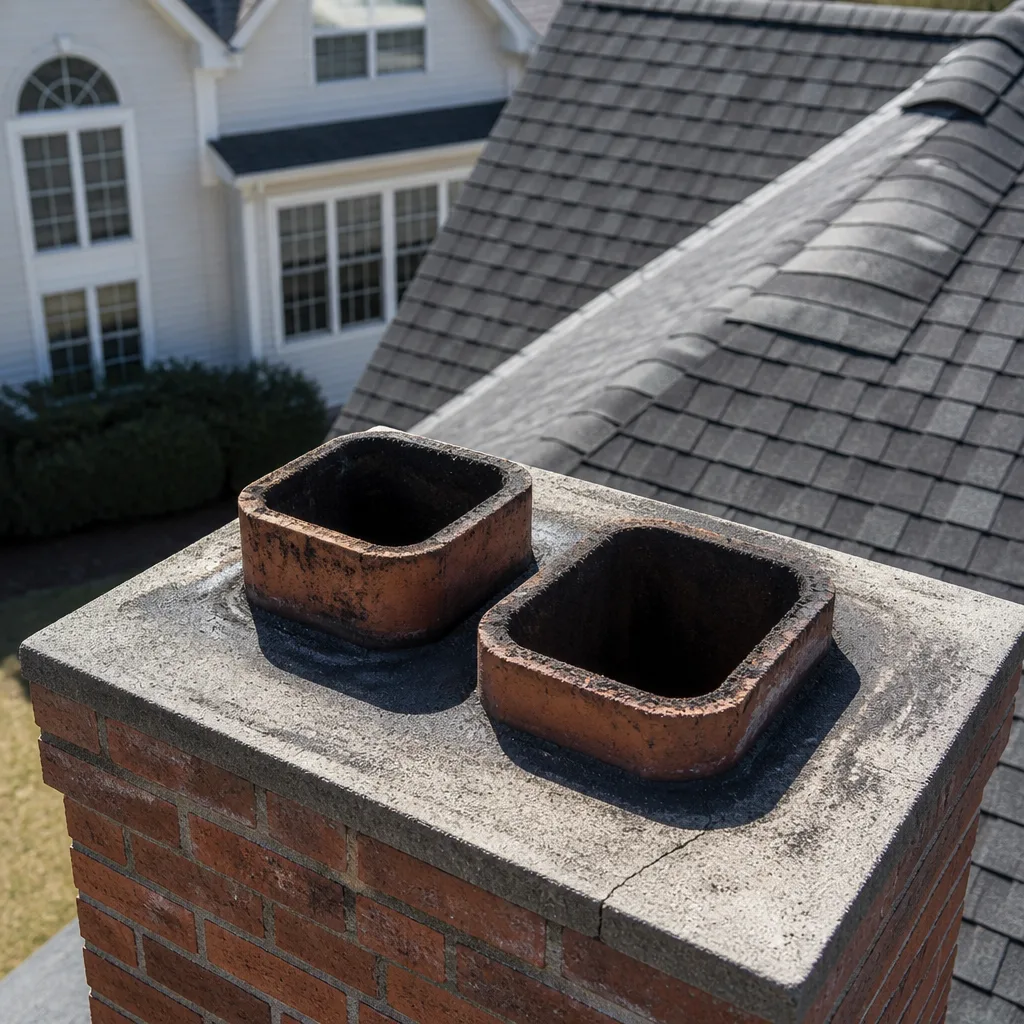 Sweep & inspection
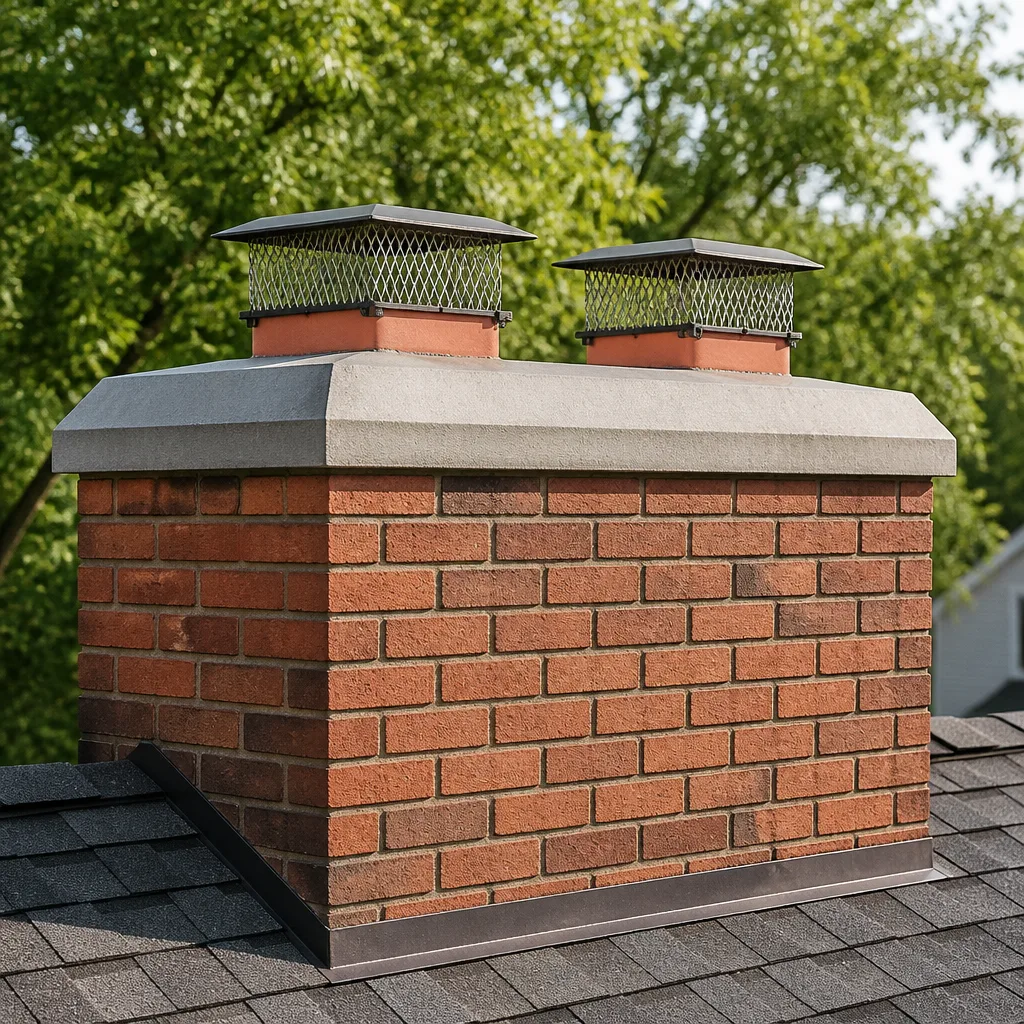 Caps & crowns
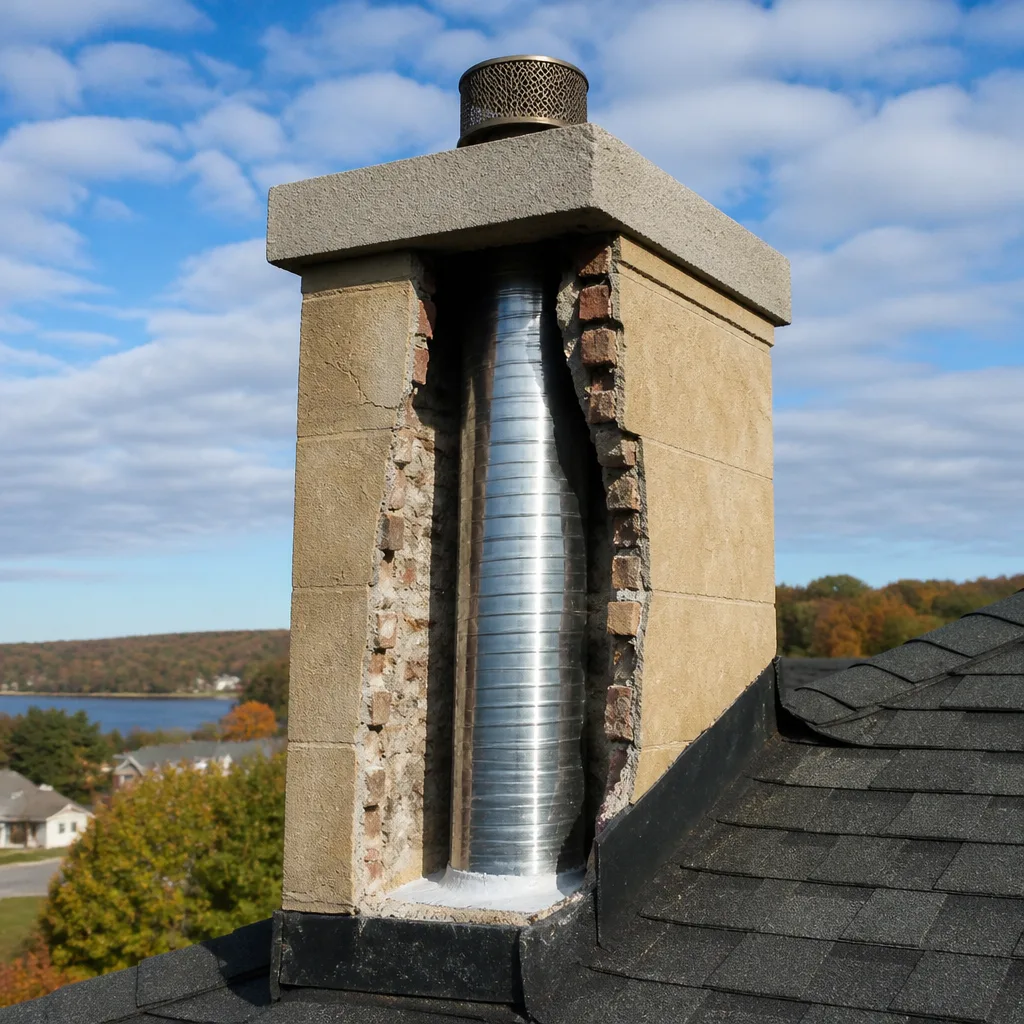 Flue relining
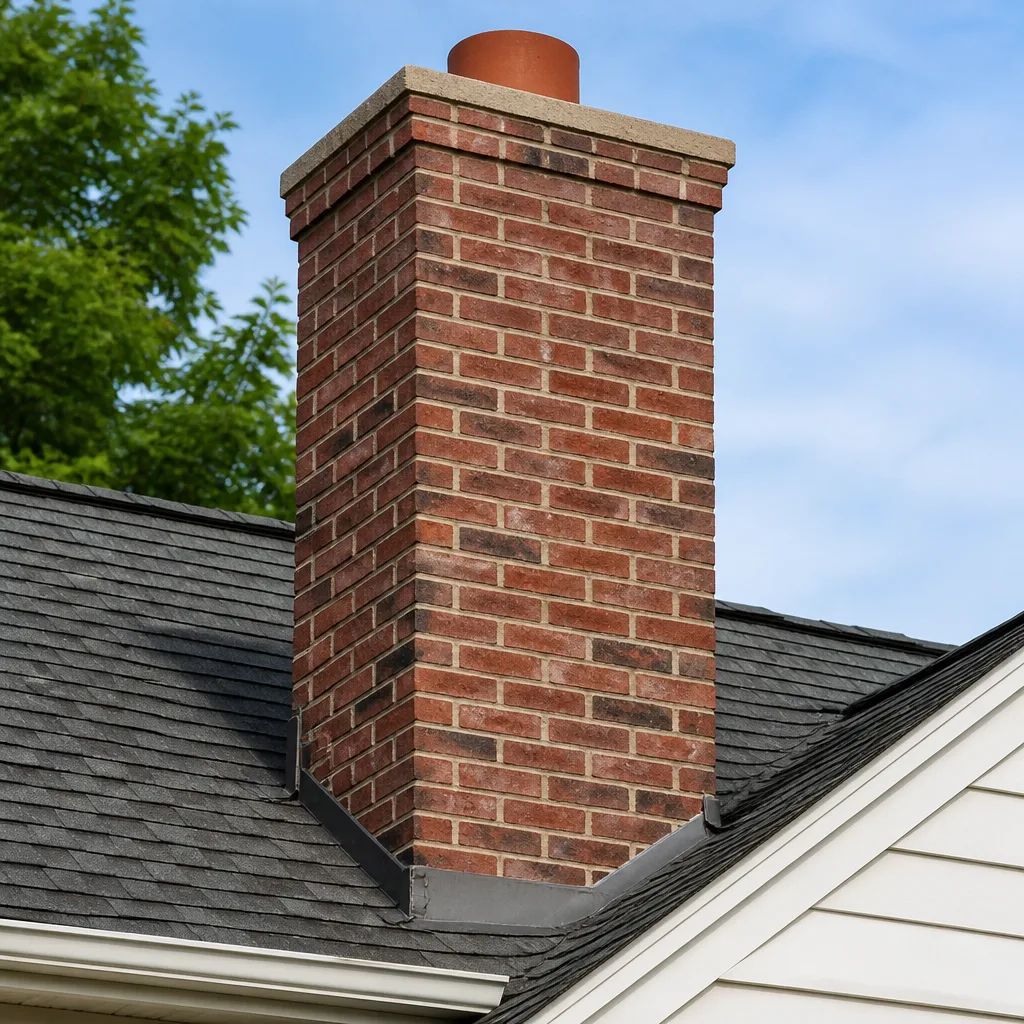 Masonry repair
Level 1 sweep and inspection to the NFPA 211 annual standard - flue, crown, cap, and flashing checked and photographed
Chimney sweep logs do not sweep chimneys. They loosen some creosote - which then falls where a brush and vacuum still have to collect it.
Why Carmel Homeowners Choose HeatShield Chimney Cleaning
We provide independent HeatShield chimney cleaning service in Carmel, and what sets our work apart is the technique: a cast-in-place refractory liner is cleaned with softer tooling and checked at every transition, not brushed like bare clay tile. If your flue was resurfaced with HeatShield, you need a sweep who knows how that material fails, where it collects creosote, and when a small repair at a seam is all it needs. We’re an independent service provider, not affiliated with or authorized by HeatShield, and we’ll say plainly when the liner is sound and when it genuinely needs attention. Call (833) 436-4994 to book.
Carmel has grown fast and upward. Thousands of large homes in subdivisions like WestClay and the Village of West Clay have wood-burning fireplaces built in the last 20 to 25 years, and those chimneys are now due their first serious cleaning or inspection. Down near the Carmel Arts & Design District, older ranches and split-levels still carry original masonry chimneys with clay-tile flues and exterior brick. Those two housing stocks need different care, and a HeatShield-lined flue sits somewhere in between: modern material, but with its own habits. We answer 24/7, with fast dispatch from 7am to 7pm, Sunday through Friday.
Why Trust Chimney Sweep Carmel for Your HeatShield Chimney Cleaning?
Our technicians have up to 15 years of experience with flues of all kinds, and they know HeatShield as a working material rather than a sales pitch. A cast-in-place refractory liner behaves differently from clay tile under a cleaning rod, and treating it the same way is how liners get chipped and FireGuard repairs get cracked. We assess the flue before we touch it: dimensions, offset, open mortar joints, firebox condition.
We work with quality parts that fit HeatShield equipment. We don’t claim to stock OEM or genuine HeatShield parts, and we’re not a HeatShield dealer. What we do is repair, install and service HeatShield systems using parts that fit the job, and we follow warranty-safe practice so a repair doesn’t undercut a manufacturer’s coverage. There’s a real distinction here. A proprietary installed material like HeatShield has no meaningful aftermarket substitute, so honest work means recommending it only where the substrate can hold it. When the masonry behind it is failing, we tell you that instead of selling a re-pour.
HeatShield is one of six recognized industry product lines on our bench, alongside DuraFlex, Gelco, Olympia Chimney, Famco and Copperfield. That matters most when a HeatShield evaluation lands on a problem HeatShield isn’t the right answer for. We can diagnose, clean and often restore in the same visit, rather than hand you a list and send you to a second contractor.
Styles & brands we work with
- Sweep & inspection
- Caps & crowns
- Flue relining
- Masonry repair
- Gas fireplace service
Common HeatShield Chimney Cleaning Problems We Fix in Carmel
A HeatShield liner is a durable surface, but it has specific failure modes worth knowing. These are the ones we run into most on Carmel chimneys, and each one tells you something about what to look for.
- Delaminated or gapped liner sections. When a prior pour fell short of the flue top or didn’t bond fully to the substrate, it leaves a ledge. Creosote packs into that ledge, and an ordinary brushing pass glides right over it. You may notice a smoky smell on cold mornings before any sweep notices the ledge itself.
- Soot and creosote packed into the seam between liner and old clay tile. The gap where a HeatShield liner meets the original clay tile resists normal brushing and shows up as a drag or catch on the sweep’s rod. Under it sits glazed creosote, and glazed creosote near a transition is the kind that needs hand tools and chemical treatment, not a spinning rod that could chip the refractory.
- Cracked or spalled FireGuard in the firebox and smoke chamber. HeatShield FireGuard repair material takes years of hot cycles, and it does eventually crack or spall. Once it does, gas and heat reach the masonry behind it. A liner that’s otherwise sound does little good if the chamber beneath it is failing, so we check both together.
- A liner sized smaller than the original flue. Lining an oversized flue is a common fix, and a correctly done one. But a smaller liner changes draft characteristics, and that can cause smoke spillage at the damper. Smoke spillage has a real cause, and it’s usually traceable to sizing, transition condition or a short pour rather than to how the fireplace is used.
- Hidden nests and debris behind decorative caps and gas-log setups. Some Carmel chimneys get fitted with decorative caps and gas-log fireplaces that see little sweeping, and debris or animal nests settle in without a visible symptom. It surfaces when the first cold snap prompts a call. In a heated house with a cold flue, that’s the moment you smell it.
HeatShield Parts & Our Repair-vs-Replace Approach
HeatShield is a proprietary installed material, not a stocked part, so the whole question is whether the existing liner can be cleaned and repaired at its transitions, or whether a re-pour or re-line is genuinely needed. We never specify resurfacing on a flue with open joints or a failing firebox. That’s an honest limit, not a sales tactic, and it’s why we start with a Level 2 inspection and camera work rather than a recommendation.
When the substrate is sound and the problem sits at a seam, FireGuard repair or transition sealing often restores the liner. When it isn’t sound, a stainless liner or masonry repair is the right call, and we say so. We’ll tell you when work can safely wait until next season too. Call (833) 436-4994 and we’ll walk you through what your flue actually needs.
Our HeatShield Service Process – Step by Step
- 1
Diagnosis. A Level 2 inspection with camera work. We measure the flue, check for offset flues and open mortar joints, photograph the liner transitions, and confirm the firebox and smoke chamber are structurally sound before anything else is decided.
- 2
Repair or install. Creosote comes off with hand tools and chemical treatment where the buildup is glazed, so a spinning rod doesn’t chip the refractory. FireGuard cracks get repaired in place. If a re-pour is needed, we prepare the substrate and let the ceramic-fiber cure steps run their course.
- 3
Test. We check draft at the damper and verify the transitions are clean and sealed. Smoke spillage gets reproduced and traced, not guessed at.
- 4
Warranty-safe sign-off. We document what we found and did with photographs, so you know exactly what condition your flue is in and your HeatShield coverage isn’t compromised by a shortcut.
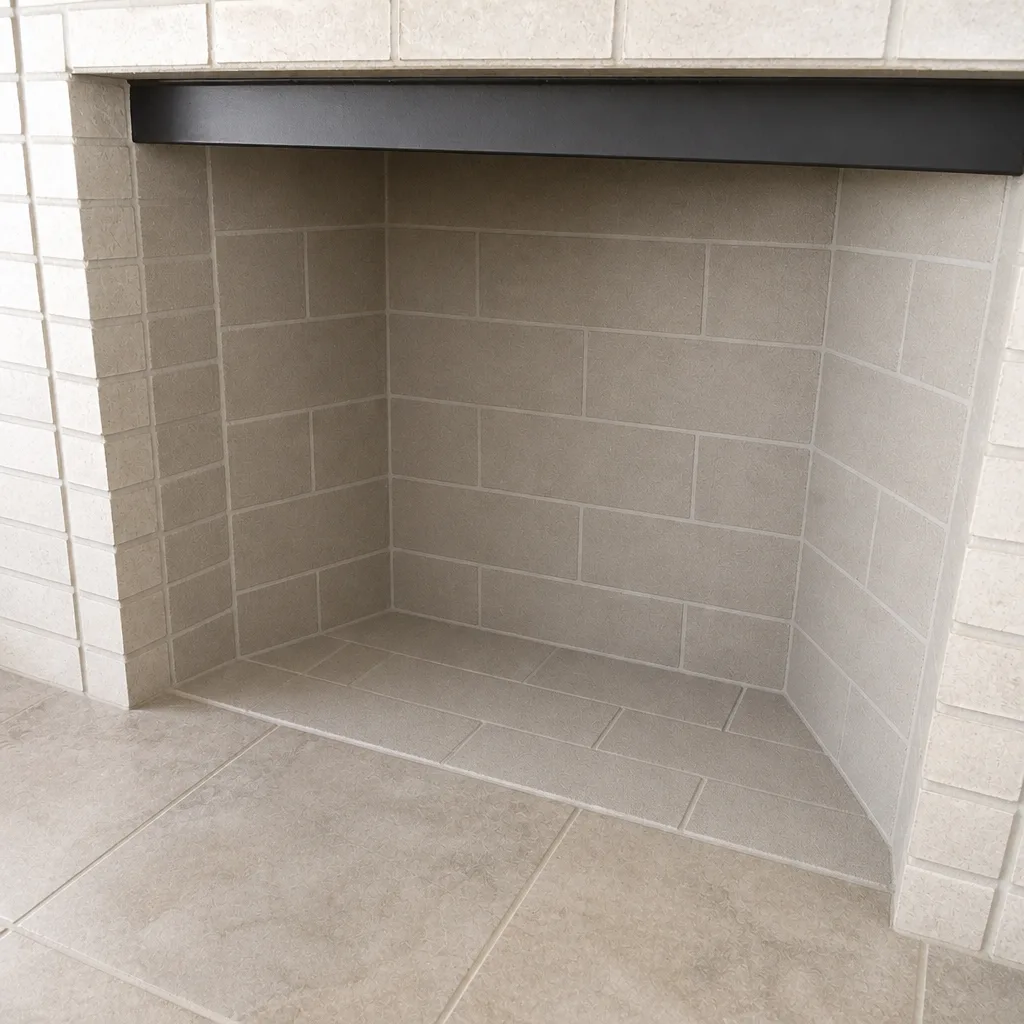
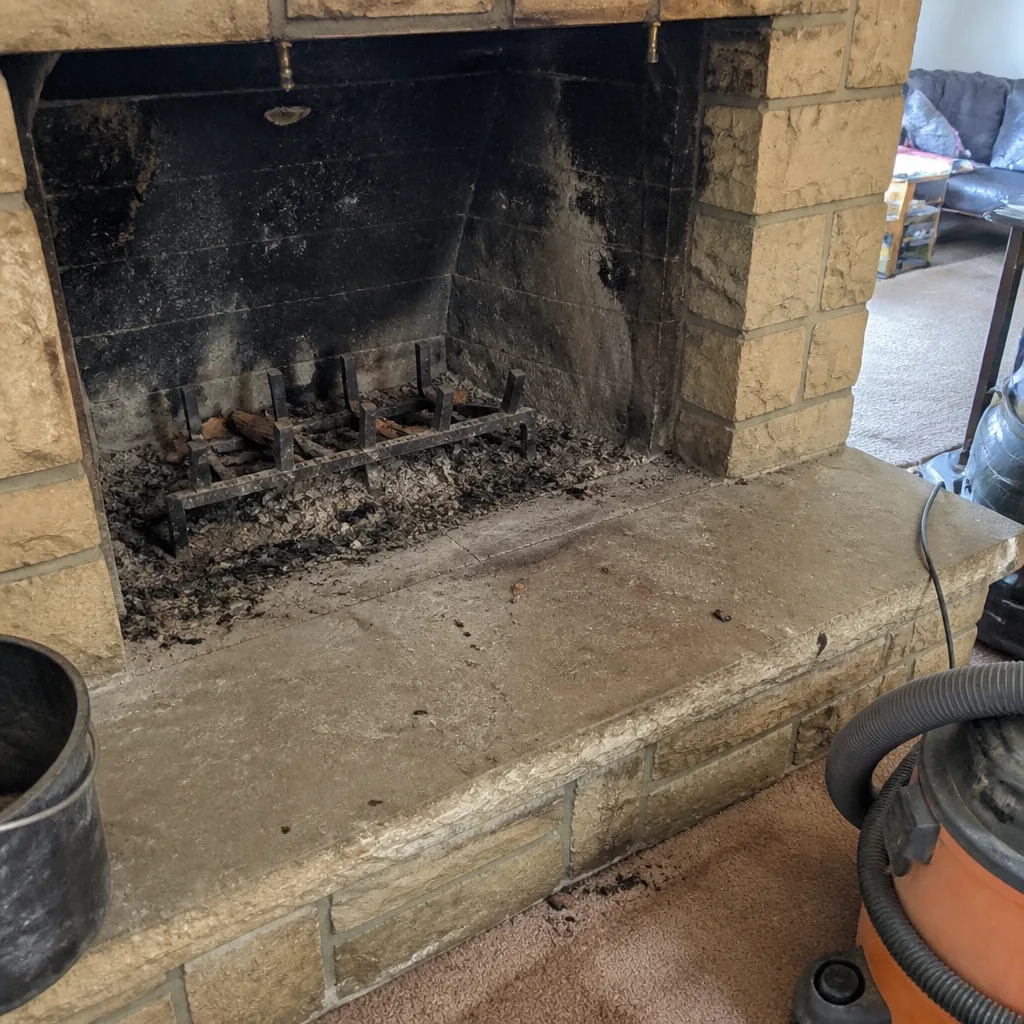
See the difference
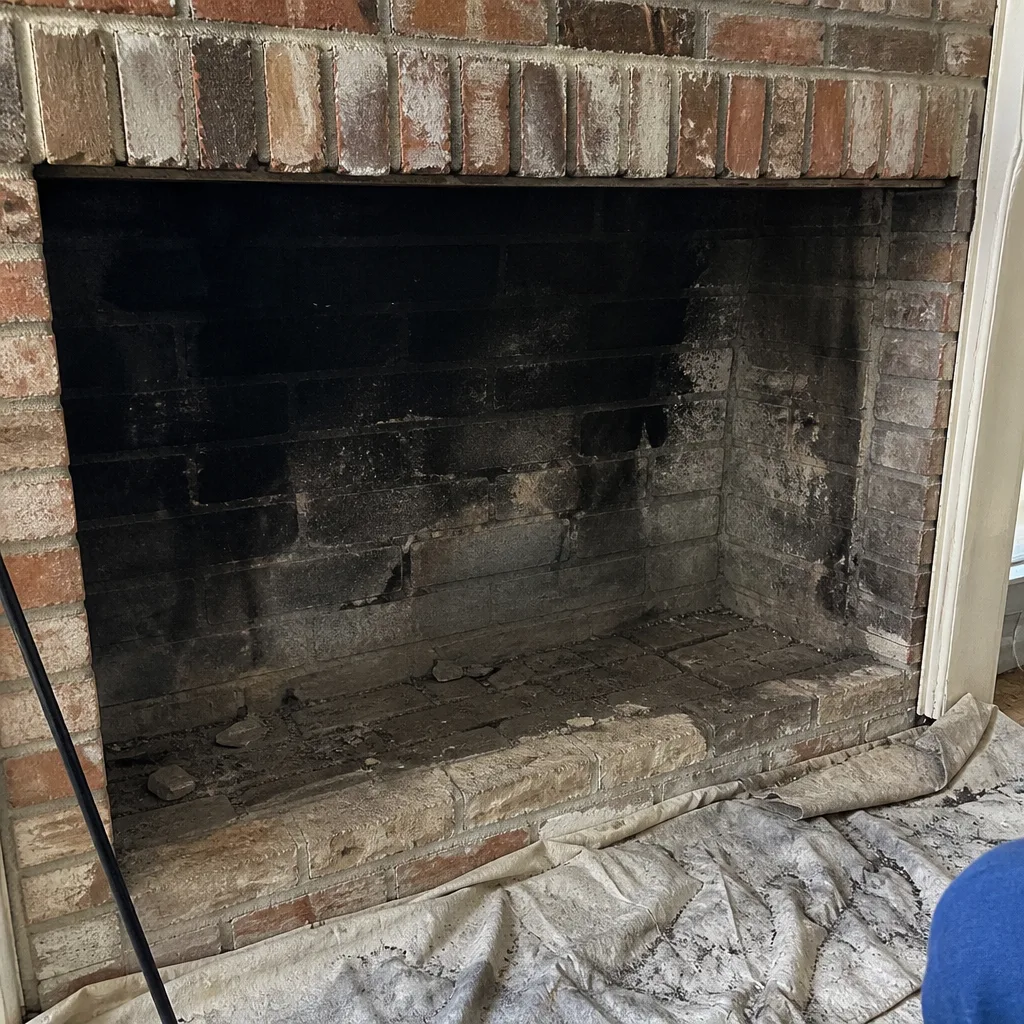 Before
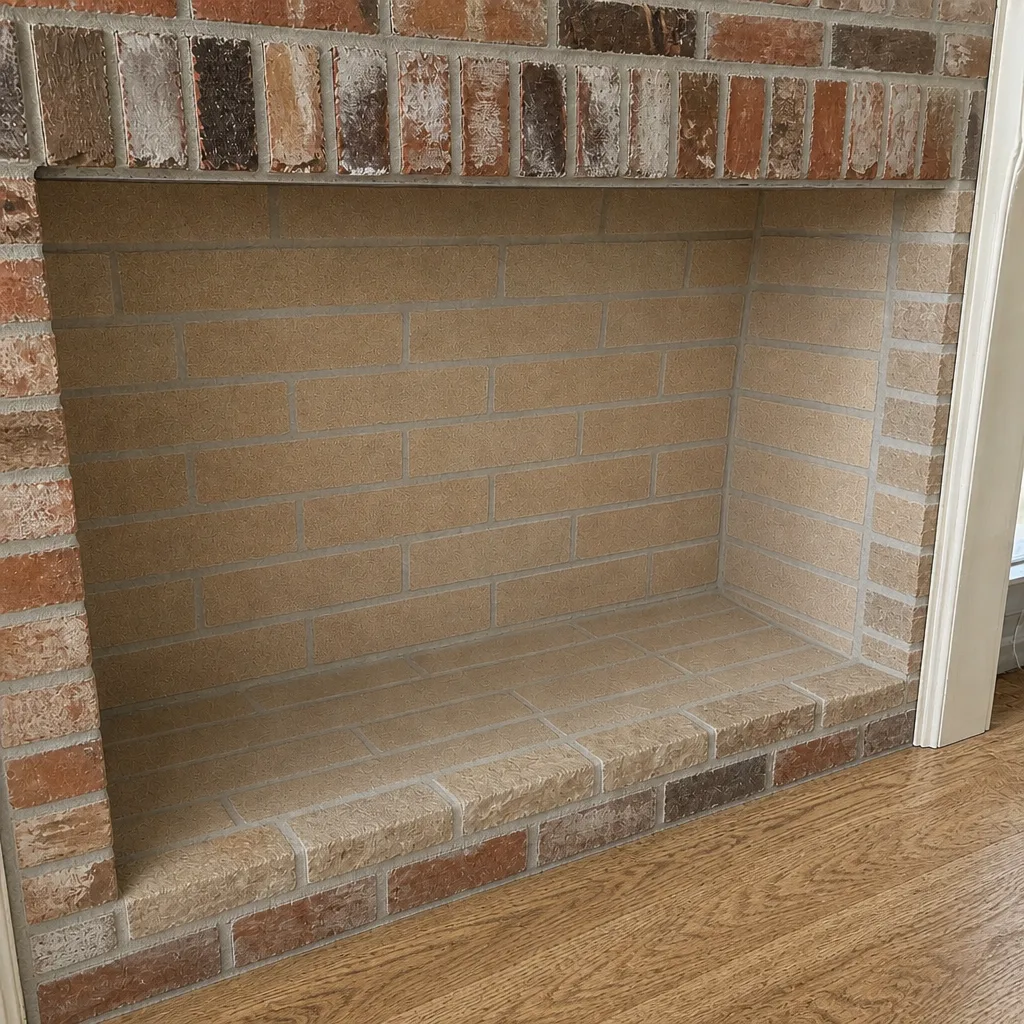 After
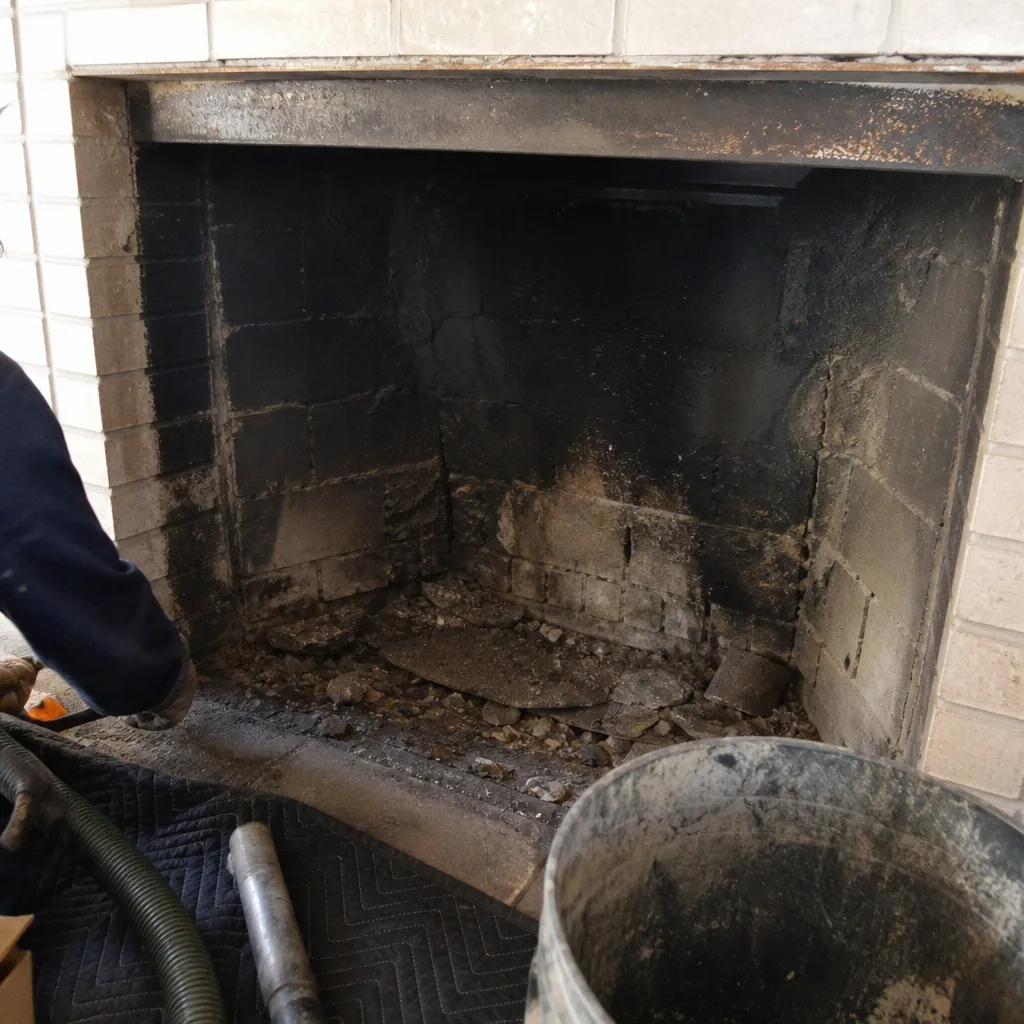 Before
 After
 Before
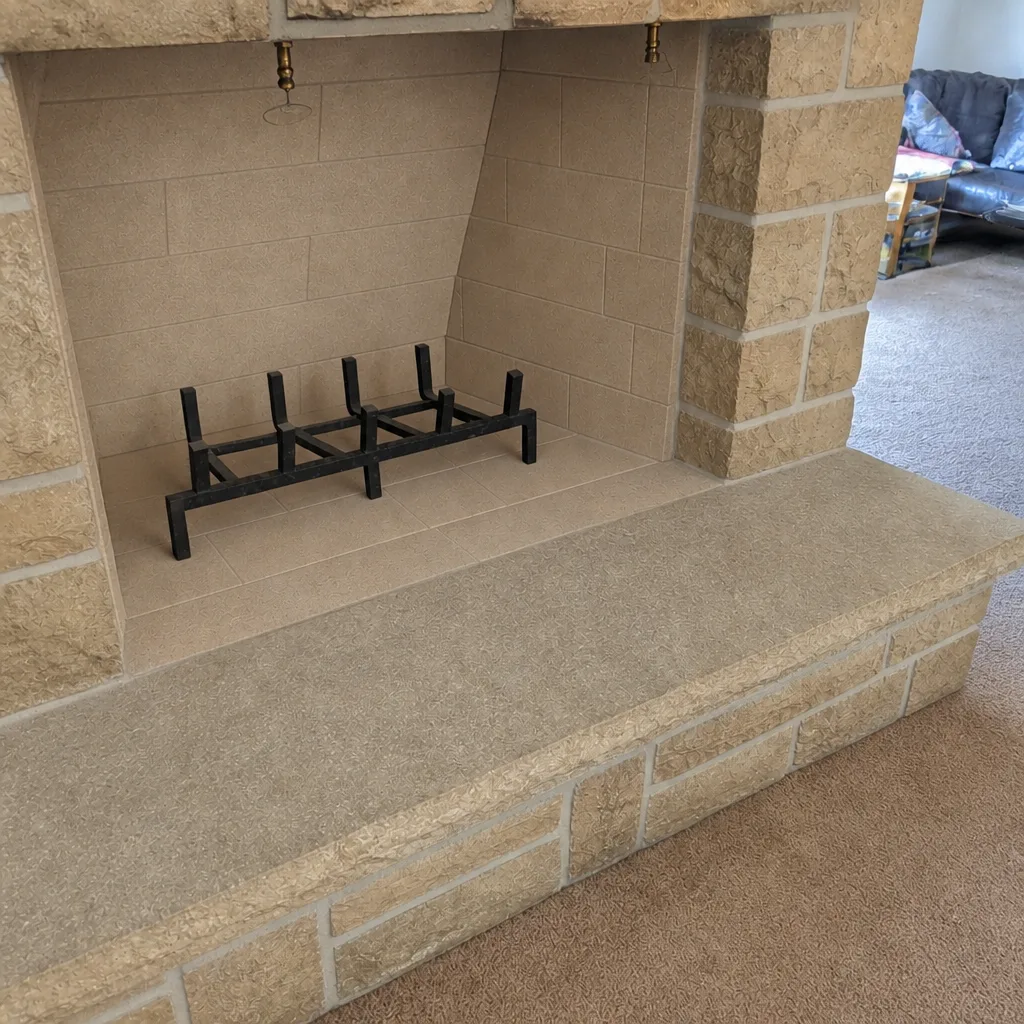 After
HeatShield Products We Service & Install in Carmel
Our HeatShield work covers the cast-in-place flue liner in its standard round and oval sections, both the cleaning side and the evaluation that comes before any resurfacing. We service and install HeatShield FireGuard firebox and smoke-chamber repair material, which is where a lot of HeatShield failures actually live. And we work with both HeatShield insulating mix backfills, TherMix and InsulMix, which are part of what makes a cast-in-place liner perform the way it’s meant to.
Every one of these is a proprietary installed material, so we service and repair them with quality parts that fit the system rather than claiming to stock a manufacturer’s parts. Our technicians have up to 15 years of experience reading flues, and that’s what tells us whether a given Carmel liner is a cleaning job or a repair job.
We Also Service These Brands
A chimney is a system, and no single product line covers all of it. We also work with DuraFlex flexible liner systems for relining deteriorated or unlined flues, and Gelco chimney caps for cap replacement and the venting corrections that go with it. Being multi-brand isn’t a marketing line here. It means the recommendation follows the chimney’s condition instead of the one product we happen to sell.
FAQs – HeatShield Chimney Cleaning Service in Carmel
No. We’re an independent HeatShield service provider, not affiliated with or authorized by HeatShield. We service and repair HeatShield liners with quality parts that fit the system, and we’re upfront about that boundary.
HeatShield is a cast-in-place refractory liner system, and yes, it changes the cleaning. A refractory surface is cleaned with softer tooling than bare clay, and the liner’s transitions get checked by hand rather than brushed straight through. A sweep who runs a standard rotary brush up a HeatShield-lined flue can chip the refractory at a short pour or an offset.
Yes, with the right method. Glazed, stage-three creosote is removed with hand tools and chemical treatment rather than a spinning rod, which is exactly the tool most likely to damage a HeatShield surface. It shows up most often at the seam between liner and old clay tile, or on a ledge left by a short pour. Call (833) 436-4994 if you’ve been told your liner can’t be cleaned.
A camera inspection tells you, and so does the condition of your firebox and smoke chamber. Cracking or spalling FireGuard, a liner sized smaller than the original flue that spills smoke at the damper, or a gapped section near the top are all failure signs. Dirty is just buildup. A Level 2 inspection separates the two, and what we find is documented with photos you can see for yourself. Call (833) 436-4994 for a free estimate.
Yes. A smaller liner changes draft characteristics, and a correctly sized liner still needs a clean transition and a sound firebox beneath it. Smoke spillage at the damper usually traces to sizing, a short pour or a FireGuard crack, and it gets worse in a cold Carmel winter when the flue is cold and the house is warm.
Not the schedule itself, but it changes what you have swept. A HeatShield-lined flue with heavy wood use should still get an annual Level 2 inspection, and glazed creosote must come off before it hardens into a ledge. In Carmel’s cold, snowy winters and humid summers, chimneys work hard during heating season, and creosote builds faster than many owners expect. Call (833) 436-4994 for a free estimate.
A cleaning plus a Level 2 inspection is usually a single visit. FireGuard repairs and transition sealing can often be done in the same visit. A full re-pour takes longer because the heat-proofing and ceramic-fiber cure steps can’t be rushed.
Pricing is set per job by a free written estimate, so the exact figure depends on flue condition, access and how much glazed creosote is present. What we won’t do is quote resurfacing you don’t need. Nothing is recommended without camera evidence you can view for yourself, and we’ll tell you when work can safely wait. Call (833) 436-4994 for an exact quote, and estimates are free.
Book Your HeatShield Service in Carmel, IN
If your chimney carries a HeatShield liner, it deserves a sweep who understands the material, checks the transitions, and reads the FireGuard as carefully as the flue. We serve Carmel homes from WestClay to the Arts & Design District. Call (833) 436-4994 for a free estimate. We answer 24/7 with fast dispatch from 7am to 7pm, Sunday through Friday.
Written by the team at Chimney Sweep Carmel.